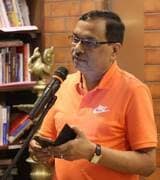
(Captain Pravin Raghuvanshi—an ex Naval Officer, possesses a multifaceted personality. He served as a Senior Advisor in prestigious Supercomputer organisation C-DAC, Pune. He was involved in various Artificial Intelligence and High-Performance Computing projects of national and international repute. He has got a long experience in the field of ‘Natural Language Processing’, especially, in the domain of Machine Translation. He has taken the mantle of translating the timeless beauties of Indian literature upon himself so that it reaches across the globe. He has also undertaken translation work for Shri Narendra Modi, the Hon’ble Prime Minister of India, which was highly appreciated by him. He is also a member of ‘Bombay Film Writer Association’.
We present Capt. Pravin Raghuvanshi ji’s amazing poem “~ The Eternal Wait…~”. We extend our heartiest thanks to the learned author Captain Pravin Raghuvanshi Ji (who is very well conversant with Hindi, Sanskrit, English and Urdu languages) and his artwork.)
~ The Eternal Wait… ~
☆
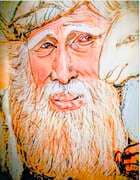
Immerse into those enigmatic eyes…
Let your soul embark upon a mystical quest…
Dive deep into the mystical depths of those gazing eyes…
☆ श्री रविंद्रनाथ टागोर यांची “गीतांजली”… भाग – ३१ ☆ डॉ. शोभना आगाशे ☆
श्री रविंद्रनाथ टागोर
मागच्या भागात आपण पाहिलं की, देव- पिता, माता, बालक, पती या रूपात टागोरांना कसे भेटतात. या भागात आपण टागोरांना जाणवणारी देवाची अन्य रूपे पाहू…
देव प्रियकर म्हणून:-
प्रियकर – प्रेयसी यांच्यातील अनोख्या नात्यांचं उदाहरण राधा कृष्ण यांचं आहे. गीत क्र. २३ मधे कवीला वाटतं, प्रियकर रूपातला देव प्रेमरथावर स्वार होऊन येईल. म्हणून प्रेयसी रूपातला कवी त्याची वाट पहात आहे. तो कोणत्या वाटेने येईल? चुकामूक तर होणार नाही नां? त्याच्या भेटीसाठी ती आसुसलेली आहे.
देव मित्र म्हणून:-
गीत क्र.९७ मधे कवी म्हणतो तू बालपणीचा माझा सखा! तू रोज यायचास. आपण एकत्र रानावनात फिरत होतो. तुझी गाणी मी ऐकायचो आणि त्या सुरांच्या वर्षावात माझा मनमोर नाचू लागे. पण तुझं नांव गाव मला काहीच माहित नव्हतं. आज जाणवतं की, लहानपणी ज्याच्याबरोबर आपण खेळलो तो कोणी सामान्य नव्हता हे आपल्याला कळलंच नाही. तो प्रत्यक्ष देवच होता.
देव गायक म्हणून:-
कवीला कधी कधी देव गायकाच्या रूपात दिसतो. तो म्हणतो, तुझी गाणी, तुझं संगीत यांची अवीट माधुरी मला कधी कळलीच नाही. मी अल्पमती होतो. कडे कपारीतून वाहणाऱ्या पाण्याचा नाद म्हणजे तुझेच गीत आहे. आकाशात होणारा गडगडाट, कडकडाट ही पण तुझीच गाणी आहेत. हे मला समजले नाही. तू मात्र तुझ्या गीत संगीताच्या वर्षावानं मला मंत्रमुग्ध करत होतास. (गीत ३)
देव श्रोता म्हणून:-
कधी देव कवीला गीत गाण्याची आज्ञा देतो तर कधी तो कवीची गाणी ऐकायला श्रोता म्हणून येऊन बसतो, कवी म्हणतो तुझ्याच कृपेमुळे मी ही गीते गाऊ शकतो. (गीत २). गीत क्र. ४९ मध्ये कवी देवाला म्हणतो, ” तुझ्या दरबारातली यक्षकिन्नरांची गाणी सोडून तू माझी बेसूर गाणी ऐकायला येऊन बसतोस कारण त्या गीतांतला भक्तीभाव तुला भावतो. तू माझी गाणी फक्त ऐकत नाहीस तर तुला ती आवडली म्हणून जाताना मला बक्षीस म्हणून एक फूल पण देऊन जातोस.”
देव दाता म्हणून:-
देव दाता म्हणूनही काही गीतांत दिसतो. कवी म्हणतो (गीत १), तूच ह्या देहात चैतन्य भरून देतोस (जन्माला घालतोस) आणि एक दिवस हा चैतन्याचा घट रिकामाही करतोस (मृत्यू). माझा आत्मा वेष बदलून पुन्हा पुन्हा या धरणीवर येतो आणि पुन्हा पुन्हा तू त्याची झोळी भरतोस. असा मी युगायुगांचा याचक आहे आणि तू कल्पांतापर्यंत हे दान देतच राहतोस. अशी सुंदर कल्पना ते करतात. तसंच दुसऱ्या कवितेत ते म्हणतात, (गीत ५०) “मी एक भिक्षेकरी! तुझा सुवर्ण रथ दिसल्यावर मला वाटलं की तू सुवर्ण मुद्रा उधळशील आणि मी त्या गोळा करेन आणि खूप श्रीमंत होईन. पण अचानक तुझा रथ माझ्यासमोर थांबला आणि तूच माझ्याकडे भिक्षा मागितलीस. मी बावरलो. माझ्या झोळीतले चार दाणे तुला काढून दिले. असं वाटलं की असला कसला राजा, भिकाऱ्याकडेच भीक मागतो. घरी गेलो. झोळीत असणारा एखादा दाणा भुकेल्या पोटाला द्यावा म्हणून झोळी झाडली तर त्यातून सुवर्णाचे दाणे पडले. मला कळलेच नाही की, तू गरिबांसाठी न मागता दान देणारा दाता असतोस.(कविता ५०)
देव दास म्हणून:-
कवी देवाला भक्तांचा सेवक म्हणूनही पाहतो. गीत क्र. ८१ मधे ते म्हणतात, कामामध्ये वेळ वाया जातो म्हणून दु:खी कशाला व्हायचं? सगळा भार त्याच्यावर टाकून आपण मुक्त व्हायचं. जसा तो संत जनाबाईला कामात मदत करायचा तसा तो आपल्यालाही करेल. दीन दुबळ्यांच्या जवळ तो बसतो, त्यांची सेवा करतो, त्यांच्यासाठी उन्हापावसात, धुळीत, मातीत काम करतो. मात्र जे माझ्यासारखे उन्मत्त, अहंकारी आहेत त्यांना त्याचे चरण देखील दिसत नाहीत. (गीत १०,११)
देव राजा म्हणून:-
आपले संत म्हणतात तसं परमेश्वराला आपल्याकडून फक्त भक्तीभाव हवा असतो, दुसरं काहीही नको असतं. (अर्थात आपण त्याला काय देणार? कारण आपलं असं काहीच नसतं. सगळं त्यांनंच दिलेलं असतं.) एका कवितेत त्यांना देव राजाच्या रूपात दिसतो. राजा रथारूढ होऊन येत आहे हे कळताच कवी घाबरून जातो. त्याला वाटतं आता राजाचं स्वागत कसं करायचं? सिंहासन कुठून आणायचं? दिवे, झुंबर कुठून आणायचं? गालीचा कुठून आणायचा? माझ्याकडे तर फक्त एक फाटकी चादर आहे. ती कशी घालू त्याच्या स्वागताला? पण शेवटी कवीचा अंतरात्मा त्याला सांगतो की काही काळजी करू नकोस. त्याला हे काही नको आहे. तो फक्त भावाचा भुकेला आहे.
(कविता ५१)
देव मोक्ष दाता म्हणून :-
सगळ्यात उच्च प्रतीची भक्ती म्हणजे आत्मनिवेदन भक्ती! यामध्ये आत्मा आणि परमात्म्याचे मिलन होतं. द्वैत रहातच नाही. एका कवितेमध्ये कवी म्हणतो मला पाहिलं की तुझ्यातलं माझ्याबद्दलचं प्रेम जागृत होतं. मी नसतो तर तू कोणावर प्रेम केलं असतंस? मला जे जे आवडतं ते ते सगळं मला देतोस. माझं मन जिंकण्यासाठी अनेक रूपे घेऊन माझ्यासमोर येतोस. आता सुद्धा तुझं सर्वस्व मला अर्पण करून माझ्या हृदयात बसला आहेस. कळलंच नाही मला, तुझ्यात मी आणि माझ्यात तू कधी विलीन झालो. जीवा – शिवाचे मीलन झाल्यामुळे मला आता मुक्ती मिळाली आहे.(गीत ५६)
– – – अशाप्रकारे आपल्याला विविध रूपातील परमेश्वर टागोरांच्या गीतांतून पहायला, अनुभवायला मिळतो. ही निरनिराळी रूपे रेखाटताना त्यांचा सुंदर कल्पनाविलास, रूपकांचा वापर, शब्दांची योग्य निवड, मांडणी, मनाला मोहून जाते. अनेक नैसर्गिक घटनांमधून, नैसर्गिक आवाजात त्यांना विधात्याचा भास होत असतो. कवीला सर्वत्र प्रेम प्रतिबिंबित झालेले दिसते. त्यांनी देवाची निरनिराळ्या प्रकारे भक्ती केली असली तरीही अंधश्रद्धेच्या पायावर उभा असलेला कोणताही भक्तीमार्ग त्यांना मान्य नाही. त्यामुळे त्यांची अध्यात्मिक उंची त्यांच्या कवितांमधून जाणवते.
—–
☆ गीत : ९१ ☆
O THOU the last fulfilment of life, Death, my death, come and whisper to me!
Day after day have I kept watch for thee; for thee have I borne the joys and pangs of life.
All that I am, that I have, that I hope and all my love have ever flowed towards thee in depth of secrecy. One final glance from thine eyes and my life will be ever thine own.
The flowers have been woven and the garland is ready for the bridegroom. After the wedding the bride shall leave her home and meet her lord alone in the solitude of night.
KNOW that the day will come when my sight of this earth shall be lost, and life will take its leave in silence, drawing the last curtain over my eyes.
Yet stars will watch at night, and morning rise as before, and hours heave like sea waves casting up pleasures and pains.
When I think of this end of my moments, the barrier of the moments breaks and I see by the light of death thy world with its careless treasures. Rare is its lowliest seat, rare is its meanest of lives.
Things that I longed for in vain and things that I got ⎯ let them pass. Let me but truly possess the things that I ever spurned and overlooked.
(Captain Pravin Raghuvanshi—an ex Naval Officer, possesses a multifaceted personality. He served as a Senior Advisor in prestigious Supercomputer organisation C-DAC, Pune. He was involved in various Artificial Intelligence and High-Performance Computing projects of national and international repute. He has got a long experience in the field of ‘Natural Language Processing’, especially, in the domain of Machine Translation. He has taken the mantle of translating the timeless beauties of Indian literature upon himself so that it reaches across the globe. He has also undertaken translation work for Shri Narendra Modi, the Hon’ble Prime Minister of India, which was highly appreciated by him. He is also a member of ‘Bombay Film Writer Association’.
We present Capt. Pravin Raghuvanshi ji’s amazing poem “~ The Mental Bondage…/ज़ेहनी ग़ुलामी~”. We extend our heartiest thanks to the learned author Captain Pravin Raghuvanshi Ji (who is very well conversant with Hindi, Sanskrit, English and Urdu languages) and his artwork.)
☆ श्री रविंद्रनाथ टागोर यांची “गीतांजली”… भाग – ३० ☆ श्री मंजिरी येडूरकर ☆
श्री रविंद्रनाथ टागोर
गीतांजलीतील कविता वाचत असताना कवी आणि देव यांच्या भावनिक नात्यांतील वैविध्यतेचे पदर जसजसे उलगडत जातात तसतसा एक प्रश्न वाचकांच्या मनात रुंजी घालू लागतो; तो म्हणजे या दोघांचं नातं तरी कोणतं आहे? आणि आश्चर्य म्हणजे हाच प्रश्न टागोरांना देखील पडतो. गीत क्र. ७७ मधे ते देवाला म्हणतात, “तू माझा कोण आहेस? पिता आहेस? बंधू आहेस? सखा आहेस? तू आहेस तरी कोण? समजा मी तुला पिता मानलं तर या नात्यातला जो आदर आहे तो मला तुझ्यापासून लांब ठेवेल. मग मी तुझ्याजवळ कसा येऊ? तुझा हात कसा धरू? तुला जर सखा मानलं तर मी कायमचा तुझ्याजवळ राहू शकणार नाही. तुला जर बंधू मानलं तर माझं जे संचित आहे त्यात तुला वाटणी द्यावी लागेल. ती कशी देऊ? शेवटी कवी म्हणतो मी तुला सरळ माझं जीवन समर्पित करतो. म्हणजे या नात्याचा प्रश्नच निर्माण होणार नाही कारण मग मी तुझ्याशी एकरूप होऊन जाईन. ”
देव पिता म्हणून:-
ते देवाला पिता मानून प्रार्थना करतात की जिथे मनात भीती नसेल, मान ताठ असेल, जिथे ज्ञान मुक्त असेल, अशा स्वातंत्र्याच्या स्वर्गात मला घेऊन चल. तिथे सत्य, शांती, प्रेम, अहिंसा यांचेच राज्य असेल. (गीत ३५)
देव माता म्हणून:-
ते देवाला माता मानतात. त्यांना मातेला काहीतरी अर्पण करण्याची इच्छा होते. पण त्यांच्या लक्षात येतं की, सुख, आनंद, कीर्ती, संपत्ती या गोष्टी तर तिनेच दिल्या आहेत. त्याच तिला कशा परत द्यायच्या. त्यामुळे ते म्हणतात, माझ्या दुःखावर फक्त माझी सत्ता आहे. म्हणून त्या दुःखाश्रूंची माळच मी तुला वाहीन. ती तुझ्या वक्षावर रूळत राहील आणि तुझ्या हृदयाशी हितगुज करेल. (गीत ८३)
देव बालक म्हणून:-
त्यांना कधी कधी देव हा बालकाच्या रूपातही दिसतो. कवीने सागर किनारी वाळूत खेळणाऱ्या बालकांना वैश्विकरूप दिले आहे. त्या बालकांच्या निरागसपणात कवीला देव दिसतो. बालकांच्या हास्यात, नृत्यात, गोबऱ्या गालात त्यांना देवाची किमया दिसते, निसर्ग दिसतो आणि तो सर्व व्यापी परमेश्वर भेटतो. (गीत ६०, ६१)
देव पती म्हणून:-
मधुरा भक्ती ही आपल्या अध्यात्मात महत्त्वाची मानली जाते. त्याचे उत्तम उदाहरण म्हणजे चैतन्य महाप्रभू! या भक्तीमध्ये देव प्रियकर म्हणजे जोडीदार असतो. कवी स्वतः पत्नीच्या भूमिकेत जाऊन प्रियकराच्या रूपात देवाला पाहतो. या कवितेत (गीत ५२) कवीला म्हणजे पत्नीला वाटतं प्रियकराच्या गळ्यात असणारा हार खूप सुंदर आहे. पण त्याला विचारायचं कसं, देतोस कां म्हणून? पण सकाळ झाल्यावर तिला वाटतं तो आपल्यासाठी काहीतरी आठवण म्हणून नक्की ठेवून जाईल. तो जाता क्षणी ती धावत शेजेकडे येते. निदान एखादं फूल, निदान फुलाची पाकळी ठेवून जाईल. प्रत्यक्ष पाहते तो एक तळपणारी तलवार ठेवलेली असते. प्रेयसी/पत्नी (म्हणजे कवी) खूप घाबरते. पण तिच्या लक्षात येतं की ज्याअर्थी प्रियकराने दिलेली वस्तू आहे त्या अर्थी त्यामागे काहीतरी त्याचा उद्देश असेल. या तलवारीने आता आपल्याला पाश तोडण्याची भीती वाटणार नाही आणि एकदा पाश तोडले की आपण आपलं सगळं आयुष्य त्याच्यावर ओवाळून टाकू शकतो. तोपर्यंत ही तलवार जपून ठेवायला हवी.
(अपूर्ण, पुढील भागात)
—–
☆ गीत : ८८ ☆
DEITY of the ruined temple! The broken strings of Vina sing no more your praise. The
bells in the evening proclaim not your time of worship. The air is still and silent about you.
In your desolate dwelling comes the vagrant spring breeze. It brings the tidings of
flowers ⎯ the flowers that for your worship are offered no more.
Your worshipper of old wanders ever longing for favour still refused. In the eventide, when fires and shadows mingle with the gloom of dust, he wearily comes back to the ruined temple with hunger in his heart.
Many a festival day comes to you in silence, deity of the ruined temple. Many a night of worship goes away with lamp unlit.
Many new images are built by masters of cunning art and carried to the holy stream of
oblivion when their time is come.
Only the deity of the ruined temple remains unworshipped in deathless neglect.
ON the day when death will knock at thy door what wilt thou offer to him?
Oh, I will set before my guest the full vessel of my life ⎯ I will never let him go with empty hands.
All the sweet vintage of all my autumn days and summer nights, all the earnings and gleanings of my busy life will I place before him at the close of my days when death will knock at my door.
(Captain Pravin Raghuvanshi—an ex Naval Officer, possesses a multifaceted personality. He served as a Senior Advisor in prestigious Supercomputer organisation C-DAC, Pune. He was involved in various Artificial Intelligence and High-Performance Computing projects of national and international repute. He has got a long experience in the field of ‘Natural Language Processing’, especially, in the domain of Machine Translation. He has taken the mantle of translating the timeless beauties of Indian literature upon himself so that it reaches across the globe. He has also undertaken translation work for Shri Narendra Modi, the Hon’ble Prime Minister of India, which was highly appreciated by him. He is also a member of ‘Bombay Film Writer Association’.
We present Capt. Pravin Raghuvanshi ji’s amazing poem “~ From a Drop to an Ocean…~”. We extend our heartiest thanks to the learned author Captain Pravin Raghuvanshi Ji (who is very well conversant with Hindi, Sanskrit, English and Urdu languages) and his artwork.)
(Captain Pravin Raghuvanshi—an ex Naval Officer, possesses a multifaceted personality. He served as a Senior Advisor in prestigious Supercomputer organisation C-DAC, Pune. He was involved in various Artificial Intelligence and High-Performance Computing projects of national and international repute. He has got a long experience in the field of ‘Natural Language Processing’, especially, in the domain of Machine Translation. He has taken the mantle of translating the timeless beauties of Indian literature upon himself so that it reaches across the globe. He has also undertaken translation work for Shri Narendra Modi, the Hon’ble Prime Minister of India, which was highly appreciated by him. He is also a member of ‘Bombay Film Writer Association’.
We present Capt. Pravin Raghuvanshi ji’s amazing poem “~ The Lapwing’s Vow…~”. We extend our heartiest thanks to the learned author Captain Pravin Raghuvanshi Ji (who is very well conversant with Hindi, Sanskrit, English and Urdu languages) and his artwork.)
(Captain Pravin Raghuvanshi—an ex Naval Officer, possesses a multifaceted personality. He served as a Senior Advisor in prestigious Supercomputer organisation C-DAC, Pune. He was involved in various Artificial Intelligence and High-Performance Computing projects of national and international repute. He has got a long experience in the field of ‘Natural Language Processing’, especially, in the domain of Machine Translation. He has taken the mantle of translating the timeless beauties of Indian literature upon himself so that it reaches across the globe. He has also undertaken translation work for Shri Narendra Modi, the Hon’ble Prime Minister of India, which was highly appreciated by him. He is also a member of ‘Bombay Film Writer Association’.
We present Capt. Pravin Raghuvanshi ji’s amazing poem “~ The Ethereal Enchantress…~”. We extend our heartiest thanks to the learned author Captain Pravin Raghuvanshi Ji (who is very well conversant with Hindi, Sanskrit, English and Urdu languages) and his artwork.)
(Captain Pravin Raghuvanshi—an ex Naval Officer, possesses a multifaceted personality. He served as a Senior Advisor in prestigious Supercomputer organisation C-DAC, Pune. He was involved in various Artificial Intelligence and High-Performance Computing projects of national and international repute. He has got a long experience in the field of ‘Natural Language Processing’, especially, in the domain of Machine Translation. He has taken the mantle of translating the timeless beauties of Indian literature upon himself so that it reaches across the globe. He has also undertaken translation work for Shri Narendra Modi, the Hon’ble Prime Minister of India, which was highly appreciated by him. He is also a member of ‘Bombay Film Writer Association’.
We present Capt. Pravin Raghuvanshi ji’s amazing poem “~ Freed You…~”. We extend our heartiest thanks to the learned author Captain Pravin Raghuvanshi Ji (who is very well conversant with Hindi, Sanskrit, English and Urdu languages) and his artwork.)
(Captain Pravin Raghuvanshi—an ex Naval Officer, possesses a multifaceted personality. He served as a Senior Advisor in prestigious Supercomputer organisation C-DAC, Pune. He was involved in various Artificial Intelligence and High-Performance Computing projects of national and international repute. He has got a long experience in the field of ‘Natural Language Processing’, especially, in the domain of Machine Translation. He has taken the mantle of translating the timeless beauties of Indian literature upon himself so that it reaches across the globe. He has also undertaken translation work for Shri Narendra Modi, the Hon’ble Prime Minister of India, which was highly appreciated by him. He is also a member of ‘Bombay Film Writer Association’.
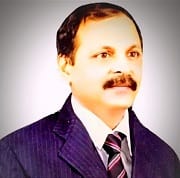
It was a deeply memorable literary moment when Capt. Pravin Raghuvanshi ji’s amazing poem “लावण्यपूर्ण रात्रि-अभिसारिका” was recited during the Bicentenary Celebration dedicated to the legendary Romantic poet Lord Byron in London, United Kingdom. This poem is based on Lord Byron’s legendary poem She Walks in Beauty.
~ “Lavanyapoorn Ratri-Abhisarika” ~
An Indian Poetic Tribute at the Bicentenary Celebration of Lord Byron, London
It was a deeply memorable literary moment when Capt. Pravin Raghuvanshi ji’s amazing poem “लावण्यपूर्ण रात्रि-अभिसारिका” was recited during the Bicentenary Celebration dedicated to the legendary Romantic poet Lord Byron in London, United Kingdom.
The poem drew its emotional inspiration from Byron’s timeless masterpiece “She Walks in Beauty” — a work celebrated across centuries for its sublime portrayal of feminine grace, inner purity, and the perfect harmony between light and darkness.
Byron immortalized beauty through the unforgettable imagery of “cloudless climes and starry skies,” where external elegance reflected an inward serenity and innocence. Deeply moved by that poetic vision, I attempted to reinterpret a similar celestial aura through the sensibilities of Indian literature, classical Hindi expression, and Sanskritised poetic aesthetics.
Thus emerged “लावण्यपूर्ण रात्रि-अभिसारिका” — a poem that seeks to portray not merely physical beauty, but a divine feminine presence illuminated equally by grace, tranquility, compassion, and spiritual luminosity.
The poem consciously embraces the classical Indian tradition of aesthetic contemplation, where beauty is not confined to appearance alone but becomes an expression of inner harmony and elevated consciousness. Moonlit imagery, divine metaphors, contemplative stillness, and emotional purity form the essence of the composition.
What made the occasion especially meaningful was the warm appreciation the poem received from poets, scholars, literary admirers, and members of the international audience present during the celebration. Many listeners observed that while the emotional spirit of Byron’s Romanticism resonated throughout the poem, its voice remained profoundly Indian in imagery, diction, and philosophical undertones.
For me, the recitation became more than a literary presentation.
It became a symbolic dialogue between two poetic civilizations — the Romantic imagination of the West and the introspective aesthetic tradition of India.
Poetry ultimately transcends geography, language, and time.
Its truest identity lies in its ability to awaken beauty within the human soul.
~ Pravin Raghuvanshi ‘Aftab’
We present the Original English Poem by Lord Byron “~ She Walks in Beauty ~” and Capt. Pravin Raghuvanshi ji’s Hindi version “~ “लावण्यपूर्ण रात्रि-अभिसारिका… ~”.
Original English Poem by Lord Byron
~ She Walks in Beauty ~
–
She walks in beauty, like the night
Of cloudless climes and starry skies;
And all that’s best of dark and bright
Meet in her aspect and her eyes;
Thus mellowed to that tender light
Which heaven to gaudy day denies.
*
One shade the more, one ray the less,
Had half impaired the nameless grace
Which waves in every raven tress,
Or softly lightens o’er her face;
Where thoughts serenely sweet express,
How pure, how dear their dwelling-place.
*
And on that cheek, and o’er that brow,
So soft, so calm, yet eloquent,
The smiles that win, the tints that glow,
But tell of days in goodness spent,
A mind at peace with all below,
A heart whose love is innocent!
– Lord Byron
☆☆☆☆☆
लार्ड बायरन की मूल कविता का कैप्टन प्रवीण रघुवंशी जी द्वारा हिंदी अनुवाद
 ~ The Eternal Wait… ~


 इंद्रधनुष्य