English Literature – Articles ☆ Meditate Like The Buddha # 16: THE FOUNDATIONS OF MINDFULNESS ☆ Mr. Jagat Singh Bisht ☆

Shri Jagat Singh Bisht

(Master Teacher: Happiness & Well-Being, Laughter Yoga Master Trainer, Author, Blogger, Educator, and Speaker.)
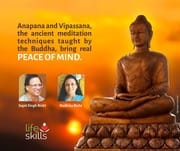
Meditate Like The Buddha # 16: THE FOUNDATIONS OF MINDFULNESS ☆

“There is, monks, this one way to the purification of beings, for the overcoming of sorrow and distress, for the disappearance of pain and sadness, for the gaining of the right path, for the realization of Nibbana—that is to say, the four foundations of mindfulness.” — Buddha

The Path of Insight

Vipassana, meaning to see things as they truly are, is a structured and logical approach to meditation, leading to deep inner peace and liberation from suffering. The Buddha taught this method after his enlightenment, guiding thousands to freedom from misery through self-awareness and mindfulness.

Meditation is at the heart of the Buddha’s teaching. It is the direct path to Nibbana, achieved by observing the body, feelings, mind, and phenomena with full awareness and insight. By diligently practicing the four foundations of mindfulness, one transcends suffering and attains profound wisdom.

“Bhikkhus, these four establishments of mindfulness, when developed and cultivated, lead to going beyond from the near shore to the far shore.”

One must dwell observing reality with clarity, free from craving and aversion, and with full comprehension of impermanence.

Observing the Body

  • Find a quiet place, sit cross-legged with a straight back, and close your eyes.
  • Observe the breath, noticing whether it is deep or shallow.
  • Be fully aware of bodily actions—walking, sitting, lying down, moving, eating, drinking.
  • Maintain mindfulness in every action and posture.

This is how one dwells observing the body in the body.

Observing Sensations

  • Be aware of sensations as they arise: pleasant, unpleasant, or neutral.
  • Observe whether these sensations are met with attachment or detachment.
  • Recognize them without reacting.

This is how one dwells observing feelings in feelings.

Observing the Mind

  • Recognize the nature of the mind:
    • A mind with craving or without craving.
    • A mind with aversion or without aversion.
    • A mind with delusion or free from delusion.
    • A concentrated mind or scattered mind.
    • A liberated mind or unliberated mind.

This is how one dwells observing the mind in the mind.

Observing Phenomena

  • Observe mental formations, such as:
    • The five hindrances (desire, aversion, dullness, restlessness, doubt).
    • The five aggregates of clinging (form, feeling, perception, mental formations, consciousness).
    • The six sense bases (eye and forms, ear and sounds, etc.), understanding how fetters arise and are abandoned.
    • The seven factors of enlightenment (mindfulness, investigation, effort, rapture, tranquillity, concentration, equanimity).
    • The Four Noble Truths—suffering, its cause, its cessation, and the path leading to its cessation.

This is how one dwells observing mental contents in mental contents.

The Power of Mindfulness

By developing the four foundations of mindfulness, one may expect either:

  • Final knowledge (liberation) here and now, or
  • If residual clinging remains, the state of non-returning.

“Bhikkhus, just as the river Ganges slants, slopes, and inclines towards the east, so too a bhikkhu who develops and cultivates the four jhanas slants, slopes, and inclines towards Nibbana.”

Thus, the four foundations of mindfulness serve as the direct path to purification, wisdom, and liberation from suffering.

♥ ♥ ♥ ♥

Please click on the following links to read previously published posts Meditate Like The Buddha: A Step-By-Step Guide” 👉

English Literature – Articles ☆ Meditate Like The Buddha # 8: Midway Recap ☆ Mr. Jagat Singh Bisht ☆

English Literature – Articles ☆ Meditate Like The Buddha # 9: Experience Your Mind ☆ Mr. Jagat Singh Bisht ☆

English Literature – Articles ☆ Meditate Like The Buddha # 10: Liberate the Mind ☆ Mr. Jagat Singh Bisht ☆

English Literature – Articles ☆ Meditate Like The Buddha # 12: The End of suffering ☆ Mr. Jagat Singh Bisht ☆

English Literature – Articles ☆ Meditate Like The Buddha # 13: A Summary of the Steps ☆ Mr. Jagat Singh Bisht ☆

English Literature – Articles ☆ Meditate Like The Buddha # 14: A Lifetime’s Work ☆ Mr. Jagat Singh Bisht ☆

English Literature – Articles ☆ Meditate Like The Buddha # 15: MINDFULNESS OF BREATHING ☆ Mr. Jagat Singh Bisht ☆

© Jagat Singh Bisht

Laughter Yoga Master Trainer

FounderLifeSkills

A Pathway to Authentic Happiness, Well-Being & A Fulfilling Life! We teach skills to lead a healthy, happy and meaningful life.

The Science of Happiness (Positive Psychology), Meditation, Yoga, Spirituality and Laughter Yoga. We conduct talks, seminars, workshops, retreats and training.

≈ Editor – Shri Hemant Bawankar/Editor (English) – Captain Pravin Raghuvanshi, NM

Please share your Post !

Shares

English Literature – Articles ☆ Meditate Like The Buddha # 15: MINDFULNESS OF BREATHING ☆ Mr. Jagat Singh Bisht ☆

Shri Jagat Singh Bisht

(Master Teacher: Happiness & Well-Being, Laughter Yoga Master Trainer, Author, Blogger, Educator, and Speaker.)

Meditate Like The Buddha # 15: MINDFULNESS OF BREATHING

“Bhikkhus, when mindfulness of breathing is developed and cultivated, it is of great fruit and great benefit. When mindfulness of breathing is developed and cultivated, it fulfils the four foundations of mindfulness. When the four foundations of mindfulness are developed and cultivated, they fulfil the seven factors of enlightenment. When the seven factors of enlightenment are developed and cultivated, they fulfil true knowledge and deliverance.” — Buddha

The Significance of Mindfulness of Breathing

The meditation on in-and-out breathing was expounded by the Buddha as the gateway to enlightenment and Nibbana. When the Blessed One sat beneath the Bodhi Tree, he took up mindfulness of breathing as his meditation subject and attained the limitless wisdom of a Fully Enlightened Buddha.

The Buddha emphasized this practice, considering it a noble and divine dwelling:

“If anyone, bhikkhus, speaking rightly could say of anything, ‘It is a noble dwelling, a divine dwelling, the Tathagata’s dwelling,’ it is of concentration by mindfulness of breathing that one could rightly say this.”

One of the Buddha’s most valuable contributions to humanity is his structured instructions for meditation, offering a clear and systematic approach to practice.

The Steps of Mindfulness of Breathing

“A bhikkhu, gone to the forest or to the root of a tree or to an empty hut, sits down, having folded his legs crosswise, set his body erect, and established mindfulness in front of him. Ever mindful, he breathes in; mindful, he breathes out.”

The Buddha elaborated on the steps of mindfulness of breathing, explaining its role in fulfilling the four foundations of mindfulness, the seven factors of enlightenment, and ultimately, true knowledge and deliverance.

Fulfilment of the Four Foundations of Mindfulness

Mindfulness of breathing, when developed and cultivated, fulfils the four foundations of mindfulness:

  1. Contemplation of the Body: Observing the breath in its natural rhythm, understanding its length, experiencing the whole body, and relaxing the body.
  2. Contemplation of Feelings: Recognizing feelings—rapture, pleasure, mental formations, and tranquillity.
  3. Contemplation of the Mind: Experiencing the mind, gladdening it, concentrating it, and liberating it.
  4. Contemplation of Mind-Objects: Reflecting on impermanence, fading away, cessation, and relinquishment.

On each occasion, one remains fully aware, ardent, and mindful, having put away covetousness and grief for the world.

Fulfilment of the Seven Factors of Enlightenment

The development of the four foundations of mindfulness leads to the arising and fulfilment of the seven enlightenment factors:

  1. Mindfulness – Maintaining constant awareness of the present moment.
  2. Investigation of States – Examining mental and physical phenomena with wisdom.
  3. Energy – Cultivating tireless effort and enthusiasm.
  4. Rapture – Developing deep joy in meditation.
  5. Tranquillity – Achieving inner peace and stillness.
  6. Concentration – Attaining deep, unwavering focus.
  7. Equanimity – Cultivating impartiality and balance of mind.

By practicing mindfulness of breathing, one develops each enlightenment factor, leading to spiritual progress and fulfilment.

Fulfilment of True Knowledge and Deliverance

When developed and cultivated, the seven factors of enlightenment lead to true knowledge and deliverance:

  • Supported by seclusion, dispassion, and cessation, mindfulness of breathing leads to relinquishment.
  • The systematic development of investigation, energy, rapture, tranquillity, concentration, and equanimity brings about complete liberation.

“Bhikkhus, this concentration by mindfulness of breathing, when developed and cultivated, is peaceful and sublime, an ambrosial pleasant dwelling, and it disperses and quells on the spot evil unwholesome states whenever they arise.”

Conclusion

Mindfulness of breathing is a complete and profound practice leading to insight, serenity, and ultimate freedom. Through diligent practice, one follows in the footsteps of the Buddha, progressing steadily toward enlightenment.

♥ ♥ ♥ ♥

Please click on the following links to read previously published posts Meditate Like The Buddha: A Step-By-Step Guide” 👉

English Literature – Articles ☆ Meditate Like The Buddha # 8: Midway Recap ☆ Mr. Jagat Singh Bisht ☆

English Literature – Articles ☆ Meditate Like The Buddha # 9: Experience Your Mind ☆ Mr. Jagat Singh Bisht ☆

English Literature – Articles ☆ Meditate Like The Buddha # 10: Liberate the Mind ☆ Mr. Jagat Singh Bisht ☆

English Literature – Articles ☆ Meditate Like The Buddha # 12: The End of suffering ☆ Mr. Jagat Singh Bisht ☆

English Literature – Articles ☆ Meditate Like The Buddha # 13: A Summary of the Steps ☆ Mr. Jagat Singh Bisht ☆

English Literature – Articles ☆ Meditate Like The Buddha # 14: A Lifetime’s Work ☆ Mr. Jagat Singh Bisht ☆

© Jagat Singh Bisht

Laughter Yoga Master Trainer

FounderLifeSkills

A Pathway to Authentic Happiness, Well-Being & A Fulfilling Life! We teach skills to lead a healthy, happy and meaningful life.

The Science of Happiness (Positive Psychology), Meditation, Yoga, Spirituality and Laughter Yoga. We conduct talks, seminars, workshops, retreats and training.

≈ Editor – Shri Hemant Bawankar/Editor (English) – Captain Pravin Raghuvanshi, NM

Please share your Post !

Shares

English Literature – Articles ☆ Meditate Like The Buddha # 14: A Lifetime’s Work ☆ Mr. Jagat Singh Bisht ☆

Shri Jagat Singh Bisht

(Master Teacher: Happiness & Well-Being, Laughter Yoga Master Trainer, Author, Blogger, Educator, and Speaker.)

Meditate Like The Buddha # 14: A Lifetime’s Work

Meditation is a lifelong journey. It is simple, yet not easy. It requires discipline, patience, and perseverance.

The Path So Far

Your journey of a thousand miles is well begun. You have learned and practised the foundational steps of mindfulness of breathing meditation, also known as Anapana meditation. This was the very practice through which the Buddha attained enlightenment.

Meditation consists of four main sections:

  • Contemplations of the body
  • Contemplations of feelings
  • Contemplations of the mind
  • Contemplations of wisdom

Each section contains four contemplations, making sixteen contemplations in total. Learning these basics is just the beginning. To truly benefit, you must go deeper.

Refining Your Practice

  • Observe your breath more closely, with increased awareness and ardency.
  • Develop one-pointed concentration by minutely observing your breath at the nostrils.
  • Achieving deep concentration may take hours, days, or even longer—patience is key.

Similarly, experiencing and relaxing the body requires mindful attention:

  • Begin by observing major parts of the body and gradually refine your awareness to even the smallest sensations.
  • Each day’s practice will be unique—some days, the breath may feel shallow, other days, smooth. Accept this variability with equanimity.

Exploring Feelings and Sensations

  • Feelings arise as pleasant, unpleasant, or neutral.
  • They may be joyful, sorrowful, sensuous, or spiritual.
  • Observe bodily sensations—both gross and subtle—with full mindfulness.

When negative emotions like anger arise, observe the corresponding bodily sensations. Emotions—positive, negative, or neutral—manifest physically. Ardently observe and let them pass.

Understanding the Mind

Meditation is far from dull—it cultivates joy and inner happiness.

  • Exploring the mind is a profound journey. Do not get stuck; keep moving.
  • Observe your thoughts without attachment. Be a spectator.
  • Free your mind from craving, aversion, and ignorance.

Deepening Wisdom

The contemplation of wisdom is a lifetime’s work.

  • Begin by contemplating suffering, its origin, and the path to its cessation.
  • Reflect on impermanence, suffering, and non-self.
  • Contemplate fading away, cessation, and relinquishment.

Wisdom arises not from blind belief but from direct experience. Continue refining your understanding through consistent practice.

Fruits of Deep Meditation

Deep meditation leads to deep insights:

  • Concentration and serenity are the initial experiences.
  • With deep concentration, wisdom naturally follows.
  • Progressively, defilements are removed and wholesome qualities cultivated.

Cultivate virtues like loving kindness, compassion, altruism, and equanimity. Day by day, drop by drop, let these qualities fill your heart.

Commitment to Daily Practice

  • Meditate joyfully and with inner happiness.
  • Establish a consistent routine—one hour in the morning, half an hour in the evening is sufficient.

As the Buddha said:

“When mindfulness of breathing is developed and cultivated, it is of great fruit and great benefit.”

May the wisdom of the Buddha guide your meditative path.

“Over there are the roots of trees; over there, empty dwellings. Practice jhana (meditation), monks. Don’t be heedless. Don’t later fall into regret. This is our message to you.” – Buddha

♥ ♥ ♥ ♥

Please click on the following links to read previously published posts Meditate Like The Buddha: A Step-By-Step Guide” 👉

English Literature – Articles ☆ Meditate Like The Buddha # 8: Midway Recap ☆ Mr. Jagat Singh Bisht ☆

English Literature – Articles ☆ Meditate Like The Buddha # 9: Experience Your Mind ☆ Mr. Jagat Singh Bisht ☆

English Literature – Articles ☆ Meditate Like The Buddha # 10: Liberate the Mind ☆ Mr. Jagat Singh Bisht ☆

English Literature – Articles ☆ Meditate Like The Buddha # 12: The End of suffering ☆ Mr. Jagat Singh Bisht ☆

English Literature – Articles ☆ Meditate Like The Buddha # 13: A Summary of the Steps ☆ Mr. Jagat Singh Bisht ☆

© Jagat Singh Bisht

Laughter Yoga Master Trainer

FounderLifeSkills

A Pathway to Authentic Happiness, Well-Being & A Fulfilling Life! We teach skills to lead a healthy, happy and meaningful life.

The Science of Happiness (Positive Psychology), Meditation, Yoga, Spirituality and Laughter Yoga. We conduct talks, seminars, workshops, retreats and training.

≈ Editor – Shri Hemant Bawankar/Editor (English) – Captain Pravin Raghuvanshi, NM

Please share your Post !

Shares

English Literature – Articles ☆ Meditate Like The Buddha # 13: A Summary of the Steps ☆ Mr. Jagat Singh Bisht ☆

Shri Jagat Singh Bisht

(Master Teacher: Happiness & Well-Being, Laughter Yoga Master Trainer, Author, Blogger, Educator, and Speaker.)

Meditate Like The Buddha # 13: A Summary of the Steps

Here is a concise summary of the meditation steps for easy reference:

General Preparation

  • Sit with your legs folded crosswise, back straight, and eyes closed.
  • Always mindful, breathe in; mindful, breathe out.

First Tetrad: Body Group

  1. Be aware of your breath around your nostrils as you breathe in and out.
    • Breathing in long, understand: I am breathing in long. Breathing out long, understand: I am breathing out long.
    • Breathing in short, understand: I am breathing in short. Breathing out short, understand: I am breathing out short.
  2. Observe your natural breath without trying to regulate it.
  3. Be aware of your whole body as you breathe in and out.
    • Breathe in experiencing the whole body. Breathe out experiencing the whole body.
    • Breathe in relaxing the whole body. Breathe out relaxing the whole body.
  4. If your mind wanders, gently bring it back to observing your breath.
  5. Ever mindful, breathe in; mindful, breathe out.

Second Tetrad: Feelings Group

  1. Be aware of your feelings as you breathe in and out.
    • Breathe in experiencing your feelings. Breathe out experiencing your feelings.
  2. Experience specific sensations:
    • Breathe in experiencing rapture. Breathe out experiencing rapture.
    • Breathe in experiencing pleasure. Breathe out experiencing pleasure.
  3. Observe your mental processes:
    • Breathe in experiencing mental formations. Breathe out experiencing mental formations.
    • Breathe in tranquilizing mental formations. Breathe out tranquilizing mental formations.
  4. Ever mindful, breathe in; mindful, breathe out.

Third Tetrad: Mind Group

  1. Be aware of your mind as you breathe in and out.
    • Breathe in experiencing the mind. Breathe out experiencing the mind.
  2. Cultivate positive states:
    • Breathe in gladdening the mind. Breathe out gladdening the mind.
    • Breathe in concentrating the mind. Breathe out concentrating the mind.
    • Breathe in liberating the mind. Breathe out liberating the mind.
  3. Ever mindful, breathe in; mindful, breathe out.

Fourth Tetrad: Wisdom Group

  1. Contemplate the impermanence of physical and mental events:
    • Breathe in focusing on impermanence. Breathe out focusing on impermanence.
  2. Reflect on the fading away of formations:
    • Breathe in focusing on fading away. Breathe out focusing on fading away.
  3. Contemplate the cessation of suffering:
    • Breathe in focusing on cessation. Breathe out focusing on cessation.
  4. Let go of defilements:
    • Breathe in focusing on relinquishment. Breathe out focusing on relinquishment.
  5. Ever mindful, breathe in; mindful, breathe out.

Closing the Practice

  • With a pure heart, dedicate your practice to all beings:
    • May all beings be happy, be peaceful, be liberated.
  • Gently open your eyes and come out of meditation.

Suggested Routine

  • Meditate for an hour in the morning and about half an hour in the evening to deepen your practice.

♥ ♥ ♥ ♥

Please click on the following links to read previously published posts Meditate Like The Buddha: A Step-By-Step Guide” 👉

English Literature – Articles ☆ Meditate Like The Buddha # 8: Midway Recap ☆ Mr. Jagat Singh Bisht ☆

English Literature – Articles ☆ Meditate Like The Buddha # 9: Experience Your Mind ☆ Mr. Jagat Singh Bisht ☆

English Literature – Articles ☆ Meditate Like The Buddha # 10: Liberate the Mind ☆ Mr. Jagat Singh Bisht ☆

English Literature – Articles ☆ Meditate Like The Buddha # 12: The End of suffering ☆ Mr. Jagat Singh Bisht ☆


© Jagat Singh Bisht

Laughter Yoga Master Trainer

FounderLifeSkills

A Pathway to Authentic Happiness, Well-Being & A Fulfilling Life! We teach skills to lead a healthy, happy and meaningful life.

The Science of Happiness (Positive Psychology), Meditation, Yoga, Spirituality and Laughter Yoga. We conduct talks, seminars, workshops, retreats and training.

≈ Editor – Shri Hemant Bawankar/Editor (English) – Captain Pravin Raghuvanshi, NM
Please share your Post !

Shares

English Literature – Articles ☆ Meditate Like The Buddha # 12: The End of suffering ☆ Mr. Jagat Singh Bisht ☆

Shri Jagat Singh Bisht

(Master Teacher: Happiness & Well-Being, Laughter Yoga Master Trainer, Author, Blogger, Educator, and Speaker.)

Meditate Like The Buddha # 12: The End of suffering

Lesson 10

The Buddha taught the reality of suffering, its cause, and the path to its cessation:

  1. There is suffering.
  2. The cause of suffering is craving.
  3. There is a way to the end of suffering.
  4. The way to the end of suffering is the Noble Eightfold Path:
    • Right View
    • Right Intention
    • Right Speech
    • Right Action
    • Right Livelihood
    • Right Effort
    • Right Mindfulness
    • Right Concentration

Understanding Suffering

  • Suffering must be understood.
  • The source and origin of suffering must be understood.
  • The cessation of suffering must be understood.
  • The way leading to the cessation of suffering must be understood.

Suffering encompasses:

  • Birth, old age, illness, and death.
  • Sorrow, lamentation, pain, dejection, and anguish.
  • Not obtaining what one desires.
  • The five aggregates subject to clinging.

Craving is the source of suffering. When craving ceases, suffering also ceases. The Noble Eightfold Path leads to this liberation.

Contemplating the Cessation of Suffering

Let us continue meditating with the contemplations of wisdom. After reflecting on impermanence and fading away, focus on the cessation of suffering:

  • Breathe in, focusing on cessation. Breathe out, focusing on cessation.
  • Always mindful, breathe in; mindful, breathe out.

Contemplating the Removal of Taints

Progressing further in meditation, turn your focus to the removal of taints.

  • The taints must be understood.
  • The source and origin of taints must be understood.
  • The cessation of taints must be understood.
  • The way leading to the cessation of taints must be understood.

The three taints are:

  1. The taint of sensuality.
  2. The taint of existence.
  3. The taint of ignorance.

Ignorance is the root cause of these taints. When ignorance ceases, the taints also cease. The Noble Eightfold Path provides the means to achieve this.

Relinquishing Defilements

As you breathe, contemplate the relinquishment of defilements:

  • Breathe in, focusing on relinquishment. Breathe out, focusing on relinquishment.
  • Ever mindful, breathe in; mindful, breathe out.

Closing the Practice

With a pure and peaceful mind, dedicate your practice to the welfare of all sentient beings:

  • May all beings be happy, be peaceful, be liberated.

When ready, gently open your eyes and emerge from meditation, carrying forward the wisdom and compassion cultivated during your practice.

♥ ♥ ♥ ♥

Please click on the following links to read previously published posts Meditate Like The Buddha: A Step-By-Step Guide” 👉

English Literature – Articles ☆ Meditate Like The Buddha # 8: Midway Recap ☆ Mr. Jagat Singh Bisht ☆

English Literature – Articles ☆ Meditate Like The Buddha # 9: Experience Your Mind ☆ Mr. Jagat Singh Bisht ☆

English Literature – Articles ☆ Meditate Like The Buddha # 10: Liberate the Mind ☆ Mr. Jagat Singh Bisht ☆

English Literature – Articles ☆ Meditate Like The Buddha # 11: Developing Wisdom ☆ Mr. Jagat Singh Bisht ☆


© Jagat Singh Bisht

Laughter Yoga Master Trainer

FounderLifeSkills

A Pathway to Authentic Happiness, Well-Being & A Fulfilling Life! We teach skills to lead a healthy, happy and meaningful life.

The Science of Happiness (Positive Psychology), Meditation, Yoga, Spirituality and Laughter Yoga. We conduct talks, seminars, workshops, retreats and training.

≈ Editor – Shri Hemant Bawankar/Editor (English) – Captain Pravin Raghuvanshi, NM
Please share your Post !

Shares

English Literature – Articles ☆ Meditate Like The Buddha # 11: Developing Wisdom ☆ Mr. Jagat Singh Bisht ☆

Shri Jagat Singh Bisht

(Master Teacher: Happiness & Well-Being, Laughter Yoga Master Trainer, Author, Blogger, Educator, and Speaker.)

Meditate Like The Buddha # 11: Developing Wisdom ☆

Lesson 9

The purpose of meditation extends beyond concentration. Its ultimate aim is to:

  • See things as they truly are.
  • Develop wisdom.
  • Let go of defilements.
  • End suffering.
  • Embrace renunciation.

Meditation cultivates wisdom, and wisdom diminishes without consistent practice. Therefore, heedfulness is essential. One must meditate regularly to sustain this inner growth.

Contemplations of Wisdom

By now, you are well-practised in observing your breath, feelings, and mind. Begin your session by meditating for 20 to 30 minutes, focusing on these elements. Then, transition to contemplations of wisdom.

Observing Impermanence

As you breathe in and out, reflect on the impermanence of physical and mental phenomena:

  • Breathe in, focusing on impermanence. Breathe out, focusing on impermanence.
  • Ever mindful, breathe in; mindful, breathe out.

The five aggregates of clinging are:

  • Form
  • Feeling
  • Perception
  • Volitional activities
  • Consciousness

Understand that each of these is impermanent. What is impermanent is inherently tied to suffering. Therefore, do not cling to these phenomena.

Realising the Nature of Existence

  • All conditioned phenomena are impermanent.
  • All conditioned phenomena are suffering.
  • All conditioned phenomena are non-self.
  • Nothing is worth clinging to.
  • Directly know all things as they are.

Fading Away of Formations

As you breathe, contemplate the fading away of mental and physical formations:

  • Breathe in, focusing on fading away. Breathe out, focusing on fading away.
  • Ever mindful, breathe in; mindful, breathe out.

Specifically, reflect on the fading away of the following:

  • Craving: Breathing in, focus on its fading; breathing out, let it fade away.
  • Aversion: Breathing in, focus on its fading; breathing out, let it fade away.
  • Ignorance: Breathing in, focus on its fading; breathing out, let it fade away.
  • Ever mindful, breathe in; mindful, breathe out. Fully aware, ardent, and mindful.

Concluding the Session

With a relaxed body and mind, conclude your meditation by cultivating loving kindness:

  • May all beings be happy, be peaceful, be liberated.

When you are ready, gently open your eyes and emerge from meditation, carrying the insights and peace of your practice into your daily life.

♥ ♥ ♥ ♥

Please click on the following links to read previously published posts Meditate Like The Buddha: A Step-By-Step Guide” 👉

☆ Meditate Like The Buddha #1: A Step-By-Step Guide ☆ Mr. Jagat Singh Bisht ☆

☆ Meditate Like The Buddha #2: The First Step ☆ Mr. Jagat Singh Bisht ☆

☆ Meditate Like The Buddha #3: Watch Your Breath ☆ Mr. Jagat Singh Bisht ☆

☆ Meditate Like The Buddha #4: Relax Your Body ☆ Mr. Jagat Singh Bisht ☆

☆ Meditate Like The Buddha #5: Cultivate Loving kindness ☆ Mr. Jagat Singh Bisht ☆

☆ Meditate Like The Buddha # 6: Experience your feelings ☆ Mr. Jagat Singh Bisht ☆

☆ Meditate Like The Buddha # 7: Tranquilize Mental Formations☆ Mr. Jagat Singh Bisht ☆

English Literature – Articles ☆ Meditate Like The Buddha # 8: Midway Recap ☆ Mr. Jagat Singh Bisht ☆

English Literature – Articles ☆ Meditate Like The Buddha # 9: Experience Your Mind ☆ Mr. Jagat Singh Bisht ☆

English Literature – Articles ☆ Meditate Like The Buddha # 10: Liberate the Mind ☆ Mr. Jagat Singh Bisht ☆


© Jagat Singh Bisht

Laughter Yoga Master Trainer

FounderLifeSkills

A Pathway to Authentic Happiness, Well-Being & A Fulfilling Life! We teach skills to lead a healthy, happy and meaningful life.

The Science of Happiness (Positive Psychology), Meditation, Yoga, Spirituality and Laughter Yoga. We conduct talks, seminars, workshops, retreats and training.

≈ Editor – Shri Hemant Bawankar/Editor (English) – Captain Pravin Raghuvanshi, NM
Please share your Post !

Shares

English Literature – Articles ☆ Meditate Like The Buddha # 10: Liberate the Mind ☆ Mr. Jagat Singh Bisht ☆

Shri Jagat Singh Bisht

(Master Teacher: Happiness & Well-Being, Laughter Yoga Master Trainer, Author, Blogger, Educator, and Speaker.)

Meditate Like The Buddha # 10: Liberate the Mind ☆

Lesson 8

As per your practice so far, you began by watching your breath, progressed to experiencing your feelings, and then moved on to experiencing your mind. Now, it is time to advance further and liberate the mind.

Concentrating the Mind

  • Breathe in, concentrating the mind. Breathe out, concentrating the mind.

By now, you have cultivated the practice of concentration by observing your breath at the nostrils. You are ready to deepen your concentration further.

  • Focus your mind with stability, avoiding all movements.
  • Develop single-pointed concentration on the breath.
  • Allow your concentration to become sharp and intense, with the mind fully aware of the breath, here and now.

Remain in this state for a while:

  • Breathe in, concentrating the mind. Breathe out, concentrating the mind.
  • Ever mindful, breathe in; mindful, breathe out.

Liberating the Mind

  • Breathe in, liberating the mind. Breathe out, liberating the mind.

Free your mind from fear, anxiety, and stress. Let go of clinging and judgement. Release attachments to joy or sorrow, and allow the mind to experience equanimity.

  • Fully aware, breathe in; fully aware, breathe out.

Cultivating Liberation Through Noble Qualities

You can cultivate and develop the mind for liberation by practising:

  • Equanimity
  • Loving Kindness
  • Compassion
  • Altruistic Joy

Let your mind dwell in these sublime states as you breathe:

  • Breathe in, experiencing equanimity; breathe out, experiencing equanimity.
  • Breathe in, feeling loving kindness for all; breathe out, feeling loving kindness for all.
  • Breathe in, feeling compassion; breathe out, feeling compassion.
  • Breathe in, full of altruistic joy; breathe out, full of altruistic joy.

Completing the Practice

As you reach the culmination of this step:

  • Breathe in, liberating the mind; breathe out, liberating the mind.
  • Ever mindful, breathe in; mindful, breathe out.

Conclude your meditation by extending loving wishes to the universe:

  • May all be happy, be peaceful, be liberated.

When ready, gently open your eyes and emerge from meditation, carrying the serenity and freedom of your practice into your daily life.

♥ ♥ ♥ ♥

Please click on the following links to read previously published posts Meditate Like The Buddha: A Step-By-Step Guide” 👉

☆ Meditate Like The Buddha #1: A Step-By-Step Guide ☆ Mr. Jagat Singh Bisht ☆

☆ Meditate Like The Buddha #2: The First Step ☆ Mr. Jagat Singh Bisht ☆

☆ Meditate Like The Buddha #3: Watch Your Breath ☆ Mr. Jagat Singh Bisht ☆

☆ Meditate Like The Buddha #4: Relax Your Body ☆ Mr. Jagat Singh Bisht ☆

☆ Meditate Like The Buddha #5: Cultivate Loving kindness ☆ Mr. Jagat Singh Bisht ☆

☆ Meditate Like The Buddha # 6: Experience Your Feelings ☆ Mr. Jagat Singh Bisht ☆

☆ Meditate Like The Buddha # 7: Tranquilize Mental Formations☆ Mr. Jagat Singh Bisht ☆   


© Jagat Singh Bisht

Laughter Yoga Master Trainer

FounderLifeSkills

A Pathway to Authentic Happiness, Well-Being & A Fulfilling Life! We teach skills to lead a healthy, happy and meaningful life.

The Science of Happiness (Positive Psychology), Meditation, Yoga, Spirituality and Laughter Yoga. We conduct talks, seminars, workshops, retreats and training.

≈ Editor – Shri Hemant Bawankar/Editor (English) – Captain Pravin Raghuvanshi, NM

Please share your Post !

Shares

English Literature – Articles ☆ Meditate Like The Buddha # 9: Experience Your Mind ☆ Mr. Jagat Singh Bisht ☆

Shri Jagat Singh Bisht

(Master Teacher: Happiness & Well-Being, Laughter Yoga Master Trainer, Author, Blogger, Educator, and Speaker.)

Meditate Like The Buddha # 9 : Experience Your Mind 

Lesson 7

After contemplating the body and feelings, the next step in your journey is the contemplation of the mind. This practice should be attempted after spending 20 to 30 minutes watching your breath and experiencing your feelings.

Observing the Mind

  • Be aware of your mind as you breathe in and out.
  • Breathe in, experiencing the mind. Breathe out, experiencing the mind.
  • Always mindful, breathe in; mindful, breathe out.

The mind precedes all things. Everything you say or do first arises as a thought in the mind. A well-trained mind is a treasure, unlocking a profound source of inner happiness through meditation. By cultivating and purifying the mind, you can discover a deep reservoir of joy within.

  • Breathe in, experiencing the mind. Breathe out, experiencing the mind.

Watching Thoughts

The mind is naturally filled with thoughts. These thoughts may be:

  • Wholesome,
  • Unwholesome, or
  • Neither wholesome nor unwholesome.

Simply observe your thoughts dispassionately, as a spectator. Let them come and go without clinging to or labelling them. Watch them as you would clouds passing through the sky. Let them drift away naturally, like clouds in the rainy season.

  • As you inhale, experience your mind. As you exhale, experience your mind.

Experiencing the Mind’s State

Your mind may be agitated, calm, or neutral. Whatever its state, observe it as you breathe in and out.

Practising noble silence for a couple of hours daily can greatly enhance your ability to concentrate. Regular meditation, performed step-by-step—watching your breath, experiencing your body, feelings, and mind—leads to a deeply focused mind.

  • Always mindful, breathe in; mindful, breathe out.

Keep away from distractions and focus your awareness around your nostrils, observing your breath with full attention and mindfulness.

Gladdening the Mind

As your practice progresses, your body becomes relaxed, feelings subside, and your mind attains peace.

  • Breathe in, gladdening the mind. Breathe out, gladdening the mind.

Cultivate loving kindness, compassion, altruism, and equanimity to gladden the mind. This helps nurture a gentle happiness that arises naturally from a calm body and serene mind.

  • As you inhale, experience the gentle happiness of the mind.
  • As you exhale, experience the gentle happiness of the mind.

Concluding the Practice

With tranquillity in your heart, conclude your session by praying for the welfare of all:

  • May all be happy, be peaceful, be liberated.

When you are ready, gently open your eyes and emerge from meditation, carrying forward the joy and serenity of your practice into your daily life.

♥ ♥ ♥ ♥

Please click on the following links to read previously published posts Meditate Like The Buddha: A Step-By-Step Guide” 👉

☆ Meditate Like The Buddha #1: A Step-By-Step Guide ☆ Mr. Jagat Singh Bisht ☆

☆ Meditate Like The Buddha #2: The First Step ☆ Mr. Jagat Singh Bisht ☆

☆ Meditate Like The Buddha #3: Watch Your Breath ☆ Mr. Jagat Singh Bisht ☆

☆ Meditate Like The Buddha #4: Relax Your Body ☆ Mr. Jagat Singh Bisht ☆

☆ Meditate Like The Buddha #5: Cultivate Loving kindness ☆ Mr. Jagat Singh Bisht ☆

☆ Meditate Like The Buddha # 6: ☆ Mr. Jagat Singh Bisht ☆

☆ Meditate Like The Buddha # 7: Tranquilize Mental Formations☆ Mr. Jagat Singh Bisht ☆   


© Jagat Singh Bisht

Laughter Yoga Master Trainer

FounderLifeSkills

A Pathway to Authentic Happiness, Well-Being & A Fulfilling Life! We teach skills to lead a healthy, happy and meaningful life.

The Science of Happiness (Positive Psychology), Meditation, Yoga, Spirituality and Laughter Yoga. We conduct talks, seminars, workshops, retreats and training.

≈ Editor – Shri Hemant Bawankar/Editor (English) – Captain Pravin Raghuvanshi, NM

Please share your Post !

Shares

English Literature – Articles ☆ Meditate Like The Buddha # 8: Midway Recap ☆ Mr. Jagat Singh Bisht ☆

Shri Jagat Singh Bisht

(Master Teacher: Happiness & Well-Being, Laughter Yoga Master Trainer, Author, Blogger, Educator, and Speaker.)

Meditate Like The Buddha # 8 : Midway Recap☆ Mr. Jagat Singh Bisht ☆

Midway Recap

We are now midway through learning the basic steps of mindfulness of breathing meditation. While this foundational journey has a clear structure, the practice of meditation itself is a lifelong endeavour, deepening over time.

Let us take a moment to recap what we have learned so far. A brief reflection will help us connect any missing links and prepare us to move forward with clarity and confidence.

The Journey So Far

  1. Establishing a Stable Sitting Posture:
    • We began by sitting with legs folded crosswise, ensuring a stable and comfortable position.
    • With the spine erect and head aligned, we took a few moments to settle down.
  2. Mindfulness of Breathing:
    • Once settled, we started observing our breath.
    • Ever mindful, we breathe in. Mindful, we breathe out.
    • This mindfulness of breathing remains central throughout our meditation practice.
  3. Experiencing and Relaxing the Body:
    • We directed our awareness to the entire body, moving from head to toes.
    • Gradually, we learned to relax the body as we breathed in and out.
    • Initially, these steps required more time, but with practice, we now complete them within five to ten minutes, allowing us to focus more deeply on the breath at the nostrils.
  4. Contemplations of the Body:
    • These early steps formed the basis for deeper contemplations of the body, preparing us to explore our feelings.

Progressing to Feelings and Mental Formations

  1. Experiencing Feelings:
    • With full awareness and as mere spectators, we experienced our feelings—pleasant, unpleasant, and neutral.
    • We explored rapture and pleasure as they arose with a peaceful mind, even if these were gentle or mild sensations.
  2. Watching Mental Processes:
    • Observing mental formations became the next stage. We learned to simply watch and let them pass without reacting or analysing.
    • Tranquilizing these mental formations brought calmness and clarity.
  3. Cultivating Loving Kindness:
    • We integrated the practice of loving kindness and compassion towards all living beings into our meditation.
    • With a relaxed body and tranquil mind, we prayed for the welfare of all:
      • May all be happy, be peaceful, be liberated.
    • This daily act of goodwill, performed towards the end of each session, deepened the meaningfulness of our practice.Moving Forward

Slowly and steadily, we are advancing towards our goal. While the structured nature of this journey may sometimes feel repetitive, it is this systematic approach that provides a strong foundation for deeper practice and long-term benefits.

Each step we have practised so far strengthens our ability to remain mindful and present. The integration of loving kindness ensures that our meditation is not just a personal practice but also a source of positivity for the wider world.

As we prepare for the next stage, let us reaffirm our commitment to this path and continue with patience and perseverance. When we close our daily practice, we gently open our eyes and carry forward the serenity and compassion cultivated in meditation into our everyday lives.

♥ ♥ ♥ ♥

Please click on the following links to read previously published posts Meditate Like The Buddha: A Step-By-Step Guide” 👉

☆ Meditate Like The Buddha #1: A Step-By-Step Guide ☆ Mr. Jagat Singh Bisht ☆

☆ Meditate Like The Buddha #2: The First Step ☆ Mr. Jagat Singh Bisht ☆

☆ Meditate Like The Buddha #3: Watch Your Breath ☆ Mr. Jagat Singh Bisht ☆

☆ Meditate Like The Buddha #4: Relax Your Body ☆ Mr. Jagat Singh Bisht ☆

☆ Meditate Like The Buddha #5: Cultivate Loving kindness ☆ Mr. Jagat Singh Bisht ☆

☆ Meditate Like The Buddha # 6: ☆ Mr. Jagat Singh Bisht ☆

☆ Meditate Like The Buddha # 7: Tranquilize Mental Formations ☆ Mr. Jagat Singh Bisht ☆   

© Jagat Singh Bisht

Laughter Yoga Master Trainer

FounderLifeSkills

A Pathway to Authentic Happiness, Well-Being & A Fulfilling Life! We teach skills to lead a healthy, happy and meaningful life.

The Science of Happiness (Positive Psychology), Meditation, Yoga, Spirituality and Laughter Yoga. We conduct talks, seminars, workshops, retreats and training.

≈ Editor – Shri Hemant Bawankar/Editor (English) – Captain Pravin Raghuvanshi, NM

Please share your Post !

Shares

English Literature – Articles ☆ Meditate Like The Buddha # 6: Experience Your Feelings ☆ Mr. Jagat Singh Bisht ☆

Shri Jagat Singh Bisht

(Master Teacher: Happiness & Well-Being, Laughter Yoga Master Trainer, Author, Blogger, Educator, and Speaker.)

Meditate Like The Buddha # 6: Experience Your Feelings ☆ Mr. Jagat Singh Bisht ☆

Lesson 5

Through regular practice, you have learned to settle into a comfortable meditative posture and observe your breath within minutes. You can now experience and relax your entire body as you breathe in and out with ease.

Progress through these steps steadily. As your practice deepens, you will find that the initial steps take less time, allowing you to focus more on the new techniques you integrate. Remember, when learning a new step, dedicate extra time to fully understand and incorporate it into your practice.

Observing Your Feelings

Be mindful of your feelings as you breathe in and out.

  • Breathe in, experiencing your feelings. Breathe out, experiencing your feelings.
  • Ever mindful, breathe in. Mindful, breathe out.

The feelings you experience may be pleasant, unpleasant, or neutral. Each meditation session will bring different emotions. Accept this variability without judgment.

  • Observe your feelings as a spectator.
  • Avoid becoming involved or analysing them.
  • Simply experience the feelings as they arise and pass.

Non-Reaction to Feelings

As you breathe, experience your feelings without reacting to them. Understand that feelings are transient; they come and go. When your body relaxes and your mind stills, the intensity of your feelings often subsides naturally.

  • Breathe in, experiencing your feelings. Breathe out, experiencing your feelings.

Discovering Inner Joy

When the body is fully relaxed and the mind is quiet, a pleasant feeling of joy may arise from within. This marks the beginning of a blissful experience.

  • Breathe in, experiencing rapture. Breathe out, experiencing rapture.
  • Breathe in, experiencing pleasure. Breathe out, experiencing pleasure.

Rapture and pleasure emerge after achieving deep concentration through close observation of your breath. Relaxation and mindfulness pave the way for these uplifting emotions.

If you find it difficult to experience rapture or pleasure, gently recall a recent moment of shared happiness or joy. Relive that feeling as you breathe in and out, allowing it to infuse your meditation.

  • Experience bliss as you breathe in and as you breathe out.

Embracing Bliss

  • Always mindful, breathe in. Mindful, breathe out.
  • Relax and let go of stiffness.
  • Feel happiness and enjoy your meditation.

Closing the Practice

Conclude your session by cultivating loving kindness and compassion for all beings:

  • May all be happy, be peaceful, be free.

Gently open your eyes and emerge from meditation, carrying the warmth of your practice into your daily life.

© Jagat Singh Bisht

(Master Teacher: Happiness & Well-Being, Laughter Yoga Master Trainer, Author, Blogger, Educator, and Speaker.)

Founder:  LifeSkills

A Pathway to Authentic Happiness, Well-Being & A Fulfilling Life! We teach skills to lead a healthy, happy and meaningful life.

The Science of Happiness (Positive Psychology), Meditation, Yoga, Spirituality and Laughter Yoga. We conduct talks, seminars, workshops, retreats and training.

≈ Editor – Shri Hemant Bawankar/Editor (English) – Captain Pravin Raghuvanshi, NM ≈

Please share your Post !

Shares