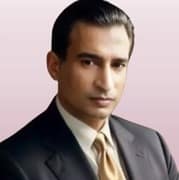
(Captain Pravin Raghuvanshi—an ex Naval Officer, possesses a multifaceted personality. He served as a Senior Advisor in prestigious Supercomputer organisation C-DAC, Pune. He was involved in various Artificial Intelligence and High-Performance Computing projects of national and international repute. He has got a long experience in the field of ‘Natural Language Processing’, especially, in the domain of Machine Translation. He has taken the mantle of translating the timeless beauties of Indian literature upon himself so that it reaches across the globe. He has also undertaken translation work for Shri Narendra Modi, the Hon’ble Prime Minister of India, which was highly appreciated by him. He is also a member of ‘Bombay Film Writer Association’.
We present Capt. Pravin Raghuvanshi ji’s amazing Short Story “~ Setting Sun and the Earthen Lamp…~”. We extend our heartiest thanks to the learned author Captain Pravin Raghuvanshi Ji (who is very well conversant with Hindi, Sanskrit, English and Urdu languages) and his artwork.)
Short Story ~ Setting Sun and the Earthen Lamp… ~
☆
As the setting sun, draped in fiery splendour, whispered to the world,
‘Who shall now inherit my radiant duty?’
A reverent hush fell upon the universe— mountains bowed in respect, oceans stilled their tides, and even the winds held their breath…
Then, from a solitary threshold, a tremulous voice arose— the gentle flame of a humble diya, an earthen lamp, its glow quivering yet resolute:
‘I shall, my Lord… as much as this small heart can bear!’
And in that moment, the setting sun bestowed a warm smile upon the earth, knowing that light is eternal, merely passing from one beacon to another!
☆
~Pravin Raghuvanshi
~ अस्ताचल का सूर्य और मिट्टी का दीपक…~
☆
जब अस्ताचल का सूर्य अरुणिमा ओढ़े गगन से बोला — “अब मेरे प्रकाश का उत्तराधिकारी कौन होगा?”
क्षण भर को थम गई सारी सृष्टि — पहाड़ झुक गए, सागर शांत हो गए, यहाँ तक कि पवन भी थम गई श्रद्धा में।
तभी किसी दहलीज़ से एक कोमल स्वर उठा — मिट्टी के छोटे से दीपक ने, थरथराती लौ में विनम्रता भरकर कहा — “मैं करूँगा, प्रभु… जितना मुझसे संभव होगा।”
और उस क्षण, डूबते सूर्य ने मुस्कराकर भूमि पर निहारा — जानता था, प्रकाश शाश्वत है, वह तो बस हस्तांतरित होता है…!
~ Mystery of missing bank notes… ~ Shri Vishwas Datye
☆
“Yogesh, this time it is your turn to share some interesting and memorable experience”, Ganapati Chodankar said smilingly.
Ours is a group of school friends. Yogesh Jadhav, Ganapati Chodankar, Rakesh Gupta, K. Shridharan and myself Kali Gogoi. All are retired now. All from different professional carriers. Our friendship stemmed from our days at public school at Dehradun. A friendship that has survived over 5 decades and we still meet over an evening, once a month, at our common sports club, over a glass of beer. Barring some exceptions, this ritual has become part of our life. All of us look forward to these evenings for a wonderful time together.
Yogesh retired from the Investigative branch of the police department. Ganapati retired as senior doctor from government hospital. Rakesh has handed over his small business to his son. KS [ K Shridharan ] worked with a large multinational company. I myself has been a senior officer in central government.
Apart from catching up with the developments during the last months, we enjoy sharing our interesting experiences emanating from our mutually exclusive fields of operation.
In this small group, Yogesh always needed some nudging to speak and Rakesh had to be stopped once his flow of words started. Responding to the request from Ganapati, Yogesh gave a Buddha style smile and looking into the beer glass went into some sort of reverie. “Come on Yogesh”, I prodded.
After a gap of some pregnant silence, Yogesh said, “friends, I was thinking of a case which we could never crack. You may also find it intriguing.”
He took few more seconds to collect his thoughts and started.
“Those days, I was placed in Jabalpur. A young girl had registered a case of some missing cash from her possession. She was very distressed but did not suspect anybody. On preliminary enquiry and investigations our police on the routine jobs had no clue. As such, this case was reported to me for further investigations”
As was my normal practice, I asked for the FIR to get some idea of the complaint. It mentioned that she had kept a sealed envelope containing cash in the drawer of her table. After few months, she noticed that the envelope felt very thin and light. Obviously, the thick wad of currency notes had reduced to very few notes.
She suspected that something was wrong because the seal was intact. She did not open the envelope for fear that nobody would believe her once the envelope was opened. She reported the theft to the police and handed over the envelope to the police for investigation.
After thorough inspection of the seal of the envelope, I too was completely intrigued. A close inspection of the envelope indicated that it was handled often. Like it happens for any used envelope the edges were somewhat worn out and at one end the paper had worn out so much as to show a tiny slit. All seals and signatures were intact. We concluded that this slit on the edge must have occurred due to the wearing out of the envelope during handling and friction inside the drawer of the table. It was so tiny that no one could imagine to remove anything through it from inside the envelope. Prima facie, the whole case was quite inexplicable.
I visited the home of the girl. To my trained eyes, she did not look the crook type. Still, I had to check for the authenticity of her claim. I requested her to share with me the full development right from start.
“Sir, myself and my younger sister live in Jabalpur. We hail from the village Bamhori. Our family is not very well to do. I am Sheetal and my sister is Narmada. We both moved to Jabalpur so that I can do some job for earning and also for supporting my sister who is pursuing her higher education. I am doing a job of a receptionist in the hospital of Dr Chandawar.
Knowing that we two sisters will be on our own in this large city, our uncle Damodar lovingly offered us help in case of any emergency. He handed over to us a wad of Rs 500 currency notes as a loan. We were very nervous to accept such large help. We had never seen such large sum in our life time.
Then he suggested that this amount is only for emergency. He counted the notes to 100 in front of us, put those into a brown paper envelope and sealed the same with staples and gum tape on all four sides. He signed on those tapes to secure the amount properly. He told us clearly that this amount is not for spending but was to be used only if some emergency arose. We were supposed to return the envelope to him after we felt adequately settled in Jabalpur. We gratefully accepted this help in the form of a somewhat bulky envelope. Our father helped us with some cash to start the life in Jabalpur. All this happened about a year back.
After moving to Jabalpur, we rented a room, I found the job. Narmada got herself admitted to a college for higher education. We kept this envelope hidden in the drawer of the table in our room. We settled happily into a new routine without much problem.
Soon, we almost forgot about this envelope. Recently, when I was tidying our room, I happened to come across the envelope. To my surprise, it looked less bulky. To my horror, on lifting it I noticed it to be very flat and light. At the same time it looked totally undisturbed and the seal and the signatures were intact. I was aghast.
On showing this development with Narmada, she too was astonished. We had no face to show to our uncle. How could we ever return the large missing amount to him? After spending a sleepless night, we reported this situation to the local police station. Sir, please help us or we are ruined.” She started pitifully crying.
Looking at our curious faces, Yogesh continued, “I had no clue as to how such a thing could happen. After offering her some words of superficial solace and before returning to my office, I told her to send Narmada to my office next day, for meeting me.
Next day, a younger version of Sheetal came to my office. So I had no difficulty in recognizing Narmada. Yet the appearance was quite different. She was smartly dressed, with some makeup, a pair of stylish dark goggles, high heal sandals and oozing confidence.
On asking for the details of this case, she repeated exactly same story. But she appeared to be emotionally less disturbed.
Next, without informing the girls, I drove down to their village to cross check the authenticity of the envelope with the cash, with Damodar uncle and their father. Both were shocked but confirmed the story about the sealed envelope. To me both appeared simple villagers and not some kind of bad elements. I pacified them that we will get to the truth and requested them that they should not raise too much noise about this case. Both showed confidence in my abilities and promised to cooperate.
Assuming the claim of lost currency notes to be true, myself and my colleagues raked our brains a lot to look for possibilities of how anybody could have effected this theft. In the meanwhile, we received the fingerprints report. The envelope had only the clear fingerprints of Sheetal and Narmada with some faint fingerprints of Damodar uncle. So involvement of any forth party became somewhat out of the question.
Finally, my suspicion centered on Narmada. We repeatedly interviewed her without success, to see if she breaks down and somehow explains to us as to how the theft was committed.
At one stage, despite repeated appeals from the girls, we concluded that the whole case was a fake report. This must be some kind of family drama. In truth, there must not have been any theft. Every passing day, this case became colder and soon forgotten due to pressures of routine work.”
Yogesh went silent again. The others in the room were looking at him with some expectation. KS broke the silence, “Is that all?”
“No friends ! Once in a while, the honest face of Sheetal used to haunt me. I came to knew that Sheetal had to work a lot for next few years to payback her uncle. I watched helplessly. In due course, I retired from the department.”
“After a few years, I came across Narmada again. By now she must have completed her education. By the looks, she looked settled and well to do. She too recognized me immediately. Without showing any malice or offense to her, I politely requested her for a meeting over lunch. To my surprise, she agreed. “
“Narmada, I am now retired. Your case too is closed long back. We had no evidence against you. But somehow, I am convinced that only you were involved in that theft. I am just curious about how anybody could beat our investigations. Let the past bury itself. Would you now share your secret to put my mind at peace? I will be obliged.”
“Sir, your guess is right! I will not tell you as to why I needed the money. But since you request me so sincerely without a threat, I will share my secret with you only. May be I too will feel a bit relieved by sharing.
Right from childhood, I have always been interested in reading detective stories. These detectives always solved the mystery at the end. They were always too smart for the criminal. My young mind decided that I will one day prove to be smarter than the detectives. After the envelope with large cash came into our possession, my mind started working feverishly. And one day, an idea struck me.
When alone in our room, I used to rub the edges of the envelope so that they started looking worn out. After that, on the top edge on one side of the envelope, I made a small slit with the help of a razor blade. It was less than half an inch. For opening the mouth of the slit a bit more I applied lateral pressure. Then I applied small quantity of fast drying glue to a long needle. I carefully inserted the needle through the slit to rest it over one end of the uppermost note in the stack. Let it dry. Then very carefully, I rolled the needle such that that note wound around the needle to form a tight roll. Rest was easy. Carefully I withdrew the tight bundle through the opened up slit and the note was mine. Once I had this confidence, all I had to do was to often repeat this performance. I used to feel guilty but the kick I got from this daring act was too strong for my young mind.
Sir, I knew that Sheetal didi suffered for few years due to my foolhardy act. But I could not collect the courage to confide in her. In due course, I completed my education and started earning well. My guilt finally became unbearable. I confided the truth with Sheetal, returned the entire money plus something more and asked for her forgiveness. She too lovingly forgave me for my youthful blunder. Now the whole issues has become our sisterly secret.”
She smilingly added, “Sir, but you will agree that I fulfilled my foolish desire to beat a detective at his game. After sharing this truth with you, I am feeling really relieved. Thank you for asking.”
Yogesh finally added, “Friends, I am now convinced that for the sake of showing off his cunning, a criminal is not at peace till he shares his daring act with somebody.”
A German law professor once gave his class a written exam.
The case seemed simple:
Two neighbors were in a dispute. One owned apple trees whose branches hung over the fence, dropping apples onto the other’s tulip garden. The falling apples supposedly broke the fragile flower stems.
Half the students defended the tulip owner.
The rest supported the orchard owner.
Everyone quoted laws, cited sections, and displayed deep knowledge of German property law.
When the papers were turned in, the professor made one quiet observation:
“Apples fall in autumn. Tulips bloom in spring.”
The scenario they had analyzed so brilliantly could never actually occur.
As students began to protest, the professor simply said:
“Before you start quoting the law, try using common sense.”
(Captain Pravin Raghuvanshi—an ex Naval Officer, possesses a multifaceted personality. He served as a Senior Advisor in prestigious Supercomputer organisation C-DAC, Pune. He was involved in various Artificial Intelligence and High-Performance Computing projects of national and international repute. He has got a long experience in the field of ‘Natural Language Processing’, especially, in the domain of Machine Translation. He has taken the mantle of translating the timeless beauties of Indian literature upon himself so that it reaches across the globe. He has also undertaken translation work for Shri Narendra Modi, the Hon’ble Prime Minister of India, which was highly appreciated by him. He is also a member of ‘Bombay Film Writer Association’.
We present an English Version of Shri Sanjay Bhardwaj’s Hindi Short Stories “चाय”. We extend our heartiest thanks to the learned author Captain Pravin Raghuvanshi Ji (who is very well conversant with Hindi, Sanskrit, English and Urdu languages) for this beautiful translation and his artwork.)
English Version by – Captain Pravin Raghuvanshi
~ The rituals of life go on, but the companion is gone... ~
☆
Diehard Tea Drinker…
“Papa ji,” the daughter-in-law said with soft firmness, “four cups of tea a day is not good for your health. I can’t imagine how Mom ever let this habit continue. From tomorrow, only one in the morning and one in the evening. Agreed?”
“Yes, beta… agreed,” Manohar ji replied. His words were steady, but his gaze drifted to the photograph on the bedside table—Gayatri, smiling faintly from behind the glass frame.
She, too, had never approved of his endless cups of tea. She needed no words to know when the craving stirred in him; a flicker in his eyes, the twitch of his fingers, was enough. With mock sternness she would chide, “Too much tea will harm you. When I’m gone, you will find it hard to manage. Drink today if you must, but from tomorrow—never more than two cups.”
But that tomorrow had never arrived in their forty-five years of togetherness.
And now, it had been barely forty-five days since she had gone, and yet…
“You were right, Gayatri,” Manohar whispered, his voice breaking into silence. “What you could never make me do, your daughter-in-law has done—in a moment.”
He lifted the frame gently, as though it might shatter at the touch. And in that fragile stillness, he felt the glass turn moist beneath his fingers— as if she communicated herself through the language of tears!
~ Pravin Raghuvanshi
♥ ♥ ♥ ♥ ♥
श्री संजय भारद्वाज जी की मूल रचना
संजय दृष्टि – लघुकथा – चाय
…पापा जी, ये चार-चार बार चाय पीना सेहत के लिए ठीक नहीं है। पता नहीं मम्मी ने कैसे आपकी यह आदत चलने दी? कल से एक बार सुबह और एक बार शाम को चाय मिलेगी। ठीक है..?
..हाँ बेटा ठीक है.., कहते-कहते मनोहर जी बेडसाइड टेबल पर फ्रेम में सजी गायत्री को निहारने लगे। गायत्री को भी उनका यों चार-पाँच बार चाय पीना कभी अच्छा नहीं लगता था। जब कभी उन्हें चाय की तलब उठती, उनके हाव-भाव और चेहरे से गायत्री समझ जाती। टोकती, ..इतनी चाय मत पिया करो। मैं नहीं रहूँगी तो बहुत मुश्किल होगी। आज पी लो लेकिन कल से नहीं बनेगी दो से ज़्यादा बार चाय।
….पैंतालीस साल के साथ में कल कभी नहीं आया पर गायत्री को गये अभी पैंतालीस दिन भी नहीं हुए थे कि..! …तुम सच कहती थी गायत्री, देखो जो तुम नहीं कर सकी, तुम्हारी बहू ने कर दिखाया.., कहते-कहते मनोहर जी का गला भर आया। जाने क्यों उन्हें हाथ में थामी फ्रेम भी भीगी-भीगी सी लगी।
(Captain Pravin Raghuvanshi—an ex Naval Officer, possesses a multifaceted personality. He served as a Senior Advisor in prestigious Supercomputer organisation C-DAC, Pune. He was involved in various Artificial Intelligence and High-Performance Computing projects of national and international repute. He has got a long experience in the field of ‘Natural Language Processing’, especially, in the domain of Machine Translation. He has taken the mantle of translating the timeless beauties of Indian literature upon himself so that it reaches across the globe. He has also undertaken translation work for Shri Narendra Modi, the Hon’ble Prime Minister of India, which was highly appreciated by him. He is also a member of ‘Bombay Film Writer Association’.
We present an English Version of Shri Sanjay Bhardwaj’s Hindi Short Stories “एकदा नैमिषारण्ये”. We extend our heartiest thanks to the learned author Captain Pravin Raghuvanshi Ji (who is very well conversant with Hindi, Sanskrit, English and Urdu languages) for this beautiful translation and his artwork.)
English Version by – Captain Pravin Raghuvanshi
~ Naimisharanya — The Forest… ~
☆
In the revered land of Naimisharanya, a sage once recounted a tale that held the devotees spellbound.
“There existed a land of unparalleled beauty,” he began, “where lush greenery stretched as far as the eye could see.”
Curiosity sparkled on every face, and in unison, they implored,
“Guru ji, tell us more of this enchanting land!”
The sage smiled, his words weaving a tapestry of wonder.
“This land was alive with gardens blooming in radiant hues, and rivers flowing with waters as pure as nectar. Its inhabitants revered these rivers as nurturing mothers, offering aarti with heartfelt devotion. They cherished cows as their own mothers, and tended the land with care. Only half of it was cultivated; the rest remained untamed, a sanctuary for grazing animals. Trees were protected with reverence, and the five elements of nature were honored in all their glory. In every leaf, every gust of wind, they perceived the divine. Such was the land’s splendor that even the gods looked upon it with envy.”
Generations passed, and the story was retold, filling hearts with longing and wonder.
Years later, a new generation—familiar with the tale only through hearsay—gathered around the sage. Seated in air-conditioned rooms, sipping mineral water from plastic bottles, they asked,
“Tell us once more of that wondrous land!”
The sage’s eyes twinkled as he began anew,
“There once was a land in Naimisharanya…”
~ Pravin Raghuvanshi
♥ ♥ ♥ ♥ ♥
श्री संजय भारद्वाज जी की मूल रचना
संजय दृष्टि – एकदा नैमिषारण्ये
सूत जी बोले, ‘नैमिषारण्य में एक सुंदर भूखंड हुआ करता है..।’ श्रद्धालुओं के चेहरे पर उस सौंदर्य का वर्णन सुनने की उत्सुकता जगी।
‘उस भूखंड के बारे में बताइए न प्रभु!’, सामूहिक स्वर में मनुहार थी।
‘इस भूखंड में हर तरफ हरीतिमा है। भूखंड का प्रत्येक नगर आकर्षक उद्यानों से सुशोभित है। यहाँ की नदियों में प्रवाहित होता सलिल अमृत-सा निर्मल और प्राणों को पुष्ट करने वाला है। यहाँ के निवासी नदियों को माता के रूप में पूजते हैं। उनकी आरती उतारते हैं। गौ को वे अपनी जननी के समान मान देते हैं। अपने स्वामित्व की आधी भूमि पर ही वे अलट-पलट कर कृषि करते हैं, शेष भूमि पशुओं के चरने के लिए छोड़ दी जाती है। यहाँ हरे वृक्षों की कटाई प्रतिबंधित है, उनकी रक्षा करने और महात्म्य सुनने का भी विधान है। पंचमहाभूतों की प्रतिष्ठा है। प्रकृति के घटकों में ही ईश्वर के दर्शन किये जाते हैं। स्वर्ग के सुख और देवता भी ईर्ष्या करें, ऐसा मनोरम है ये भूखंड!’
कथा सुनाई जाती रही, पीढ़ियों तक श्रोता तृप्त होते रहे। कालांतर में अपने पूर्वजों से इस भूखंड का वर्णन सुनने वाली नई पीढ़ी को भी पुरानी कथा में उत्सुकता जगी।
खेत और पेड़ रौंद कर खड़ी की गई चमचमाती गगनचुम्बी इमारत के एअर कंडीशंड कक्ष में प्लास्टिक की बोतल से मिनरल पानी पीते हुए नई पीढ़ी ने सूत जी से कहा, ‘उस सुंदर भूखंड की कथा सुनाइए न!’
सूत जी बोले, ‘नैमिषारण्य में एक समय ऐसा सुंदर भूखंड हुआ करता था..!’
(Captain Pravin Raghuvanshi—an ex Naval Officer, possesses a multifaceted personality. He served as a Senior Advisor in prestigious Supercomputer organisation C-DAC, Pune. He was involved in various Artificial Intelligence and High-Performance Computing projects of national and international repute. He has got a long experience in the field of ‘Natural Language Processing’, especially, in the domain of Machine Translation. He has taken the mantle of translating the timeless beauties of Indian literature upon himself so that it reaches across the globe. He has also undertaken translation work for Shri Narendra Modi, the Hon’ble Prime Minister of India, which was highly appreciated by him. He is also a member of ‘Bombay Film Writer Association’.
We present an English Version of Shri Sanjay Bhardwaj’s Hindi Short Stories “सर्व धर्म प्रार्थना ”. We extend our heartiest thanks to the learned author Captain Pravin Raghuvanshi Ji (who is very well conversant with Hindi, Sanskrit, English and Urdu languages) for this beautiful translation and his artwork.)
English Version by – Captain Pravin Raghuvanshi
~ Universal Prayer… ~
☆
A solemn “Universal Prayer” was planned near a remote glacier. Delegates of many religions from across the world gathered there. As the journey began, the ice cracked open, and the group plunged into a deep crevasse.
Those who stood above started shouting—
“How many Hindus have fallen?”
“How many Muslims, Christians, Sikhs, Parsis, Jews?”
Soon the counting stretched further—Buddhists, Jains, Taoists, Shintoists, Confucians.
Yet even that was not enough. They began dividing further—upper caste, lower caste, backward, tribal, even Aryan versus non-Aryan.
Above the crevasse, people kept counting divisions and widening the gulf of humanity.
Meanwhile, inside the crevasse, the climbers clasped each other’s hands.
They formed a human chain—
and together, they climbed out to freedom.
♥ ♥ ♥ ♥ ♥
~ Pravin Raghuvanshi
♥ ♥ ♥ ♥ ♥
श्री संजय भारद्वाज जी की मूल रचना
संजय दृष्टि – सर्व धर्म प्रार्थना
सर्व धर्म प्रार्थना का एक अनूठा आयोजन एक दुर्गम ग्लेशियर के निकट रखा गया था। विभिन्न धर्मों के देश-विदेश में बसे चुनिंदा अनुयायियों को इसमें सम्मिलित किया गया था। इन यात्रियों का दल दुर्गम हिमनद की ओर बढ़ रहा था। एकाएक हिम की सतह दरक गई और खाईनुमा गहरा गढ्ढा बन गया। दल गढ्ढे में गिर पड़ा।
हाहाकार मच गया। फिर कुछ समय के लिए यात्रियों के गढ्ढे में गिरने पर चर्चा चली। तत्पश्चात पर्वतारोहियों में हिंदू, मुसलमान, ईसाई, सिख, पारसी, यहूदी, बौद्ध, जैन, ताओ, शिंटो, कन्फ्यूशियिस्ट गिने जाने लगे।
फिर भी मन ना भरा तो विभिन्न धर्मों के यात्रियों के संप्रदाय, जातिगत वर्ग गिने जाने लगे। कुछ ने सवर्ण, दलित, अगड़ा, पिछड़ा, आदिवासी की माइक्रो काउंटिंग शुरू की तो कुछ ने मूल निवासी, आक्रमणकारी, आर्य-अनार्य की गणना भी कर डाली।
अपनी-अपनी जगह बैठे लोग मनुष्य और मनुष्य के बीच की खाई को चौड़ा करते रहे। उधर खाई में पड़े पर्वतारोहियों ने मानव शृंखला बनाई, एक दूसरे का हाथ पकड़ा और बाहर निकल आए।
☆ Short Stories☆ The Last Echo ☆ Shri Jagat Singh Bisht ☆
On the old, cracked wall of my study hangs a photograph. Faded, yellowed with time, it captures two boys in school uniforms, sitting cross-legged on a classroom floor, elbows touching, laughter mid-flight, a half-eaten guava between them. The boy to the right is me. The one to the left is my closest friend. My dearest.
We met on the very first day of kindergarten. I still remember his torn satchel, his shy glance, and the way we reached for the same crayon. That crayon was never returned to the box. It drew out a friendship that spanned five decades.
From childhood to youth, we were inseparable, like twin kites soaring under the same sky. We went to the same school, played in the same band—He with the clarinet, I with the trumpet—and even got stitched by the same half-blind tailor, who never remembered our measurements. At times, we laughed so hard we forgot why we began laughing in the first place. At others, we sat silently watching the monsoon rain, saying nothing and understanding everything.
He hailed from Kerala, the land of coconut palms and backwaters, while I came from the Himalayan foothills, where pine trees whispered old secrets to the wind. Yet, when we were together, no difference seemed to exist. India stretched far and wide, north to south, but our world was stitched together with stories, pranks, and shared pickles from each other’s kitchens.
We grew up, awkwardly, as all boys do—trying to grow moustaches, falling in and out of love, failing exams, tasting our first drink and pretending we liked it. He confessed his first heartbreak to me under a peepal tree. I told him mine the same evening, on the bus ride home. The tree’s leaves fluttered as if they, too, understood.
Then, as life often dictates, jobs called us in different directions. He moved to Chennai, I to Dehradun. The calls came less frequently but with the same warmth. Whenever we met, usually once a year, the magic returned. We laughed like schoolboys again, chewing over the same old stories like pieces of sugarcane—fibrous, familiar, and sweet.
But time, that silent thief, began to rob us of moments. After retirement, he stayed on in the south; I came back to my hill town. Our calls dwindled, not out of lack of love, but perhaps due to the slowness that age brings. Then, even that slowness turned to silence.
At first, I assumed he was busy. Then came the missed calls, the unanswered messages. A few mutual friends, stopping by his home, brought vague words—he wasn’t well, they said. Perhaps some age-related ailment. No one knew for sure.
The last time I wrote to him, I poured my heart into it. I spoke of the laughter we once shared, of the dreams, of the school band and our youthful bravado. I prayed for his health, his peace, and above all, his joy. Days later, a terse reply came: “Thank you for your kind words. Grateful.” There was no signature. I do not know if it was him, or someone from his family.
Now, I sit often in silence, watching the clouds gather over the hills. Sometimes, I hear his laughter in the rustling of dry leaves. Sometimes, in a dream, I see us chasing a runaway football down the schoolyard, panting and carefree.
But then I wake up, and the silence returns. It wraps itself around me like a winter shawl. Soft, but heavy.
There is no bitterness. Only sadness. This quiet, inevitable distancing—of hands once held, of voices once heard—is the cruel poetry of old age. We grow old not only in body, but in relationships. They too grey, falter, and sometimes, fade.
I do not know if he remembers our guava lunches, or the time we were caught mimicking the principal. But I pray for him every morning, with trembling fingers and a bowed head.
And in the evenings, when dusk settles, I light a small lamp by the photograph on the wall. Just in case he passes by. Just in case he remembers.
In the end, there is no other way out of this gloom but to accept it. Like an old friend at the door, whom we cannot stop from leaving. We only bow, and say goodbye.
A Pathway to Authentic Happiness, Well-Being & A Fulfilling Life! We teach skills to lead a healthy, happy and meaningful life.
The Science of Happiness (Positive Psychology), Meditation, Yoga, Spirituality and Laughter Yoga. We conduct talks, seminars, workshops, retreats and training.
(Captain Pravin Raghuvanshi—an ex Naval Officer, possesses a multifaceted personality. He served as a Senior Advisor in prestigious Supercomputer organisation C-DAC, Pune. He was involved in various Artificial Intelligence and High-Performance Computing projects of national and international repute. He has got a long experience in the field of ‘Natural Language Processing’, especially, in the domain of Machine Translation. He has taken the mantle of translating the timeless beauties of Indian literature upon himself so that it reaches across the globe. He has also undertaken translation work for Shri Narendra Modi, the Hon’ble Prime Minister of India, which was highly appreciated by him. He is also a member of ‘Bombay Film Writer Association’.
We present an English Version of Shri Sanjay Bhardwaj’s Hindi short story “शाश्वत”. We extend our heartiest thanks to the learned author Captain Pravin Raghuvanshi Ji (who is very well conversant with Hindi, Sanskrit, English and Urdu languages) for this beautiful translation and his artwork.)
श्री संजय भारद्वाज जी की मूल रचना
संजय दृष्टि – लघुकथा – शाश्वत
– क्या चल रहा है इन दिनों?
– कुछ ख़ास नहीं। हाँ पिछले सप्ताह तुम्हारी ‘अतीत के चित्र’ पुस्तक पढ़़ी।
– कैसी लगी?
– बहुत अच्छी। तुमने अपने बचपन से बुढ़ापे तक की घटनाएँ ऐसे लिखी हैं जैसे सामने कोई फिल्म चल रही हो।….अच्छा एक बात बताओ, इसमें हमारे प्रेम पर कुछ क्यों नहीं लिखा?
– प्रेम तो शाश्वत है। प्रेम का देहकाल व्यतीत होता है पर प्रेम कभी अतीत नहीं होता। बस इसलिए न लिखा गया, न लिखा जाएगा कभी।
मनाच्या उंबरठ्यावर खूप गर्दी होती. मेघ दाटल्यासारखे मनातले आभाळ भरून आले होते. फक्त डोळ्यातून अश्रू वाहणे राहिले होते. नजर कोणत्याच नजरेला मिळालेली नव्हती. वीज जेव्हा क्षणार्धात धरणीचे चुंबन घेते. आणि क्षणातच तिच्या कवेतून पसार होते. अशी भेट बहुदा झाल्यानंतरच असवांची वाट मोकळी होणार होती.
मनातल्या दाटलेल्या आभाळाच्या मनात खूप काही लपून होतं. गरज होती आभाळ रितं होण्याची आणि मेघ अश्रू वाहण्याची. काळेभोर ढग का साटतात? कसे तरंगतात? हवे तिथे बरसतात का? की नको तेथे कोसळतात आणि कोसळेलच तर का ? असे प्रश्न माझ्या मनात का उपस्थित होतात. मला कळत नाही.
कुणाला काय घेणे, देणे त्या दाटलेल्या ढगांचे आणि वाहणा-या आसवांचे! तहानलेल्या भावनांची तहान आसवांनी मिटेल का ? की तहान भागवण्यासाठी किती वेदनांची दारे ठोठावयाची यालाही काही मर्यादा आहे की नाही? डोक्याला फेटा जितका वेळ राहतो, तेवढेच सुख वाटेला येते. फेटा उतरला की दु:ख पुन्हा सिंहासनावर येऊन बसते. सुख दु:खाच्या या लपंडावात किती बुध्दीबळाचे प्यादे, हत्ती, घोडे, उंट, वजीर मारले जातात. अखेर राजा ही चुकत नाही. कारण या डावात एक हारल्याशिवाय दुसरा जिंकणार कसा? एकाला हारावेच लागते हा नियमच आहे. किती नियमात राहू…की बरसून जाऊ मेघ होऊन एकदा त्या मुक्ततेने कोसळणा-या सरींसारखा! की वादळ होऊ आणि साठलेली काळजावरची धूळ उडवून टाकू! म्हणजे काळीज कसे आहे, हे तरी समजेल!
बरसल्यावर निदान मृदगंधातून तरी हृदयापर्यत पोहचता येईल. बाहेरून कसं ओळखायचं मन, की कोणत्या फोटोमध्ये किंवा कोणत्या सेल्फीमध्ये दिसेल हे मन! श्वासातून क्षणभर मनाला स्पर्श करून मृदगंधाला सोबत घेऊन, मनापर्यत पोहचून मनाशी हितगूज करून पुन्हा श्वासातून बाहेर येता तरी येईल. क्षणभर का होईना निखळ मनामनांची भेट होईल. शेवटी हा आभासचं!
आभाळ भरलेले असताना कबूतरांची जोडी खिडकीच्या आस-याखाली येवून बसताना दिसली. गुटरगुटर आवाज करत चोची जवळ चोच आणत जणू येणा-या संकटावर मात कसे करायचे? याचा विचार करत होते की काय? की सुटलेला गार वारा, मौसमातला थंडावा, ऋतूहळवा, प्रितीचा बहर, कुठेतरी पाऊस चालू असताना वा-या सोबत वाहणारा मृृदगंधचा स्वाद घेत प्रेमाचे संवाद करत असतील. याचा विचार माझ्या मनात येत होता. कोण आपल्याला पाहतं का? तसेतर वेळ्ला किती महत्व आहे आपल्याला माहीत आहे. मिळालेला वेळ ते हितगूज करण्यात घालवतात. एकमेकांना काय हवं काय को याची विचारपूस करतात हे काय कमी आहे का? या जिवंत उदाहरणाकडे मी एकटक पाहत बसलो होतो.
चहा मला करायला येतो. या वेळी घरात कोणीच नव्हतं. मी चहा बनवायला घेतला. मला चहा जास्त लागत नाही. मी अर्धा कपच चहा घेत असतो. तो माझ्या मनाप्रमाणे व्हावा हे अपेक्षित असतं. दूध थोडसं, चहा पावडर, चिमूटभर साखर सोबत आल्ह किसून टाकलं आणि उकळी येऊन दिली. चहा गाळून घेतला, चहाचा कप हातात घेऊन खिडकीतून त्या कबूतराच्या जोडीकडे बघत गालातल्या गालात हसत ऋतुराजाच्या या प्रेमळ देखाव्याच्या स्वागतासाठीच जणू मी सज्ज झालो होतो.
आता हा मेघराजा कसं बरसणार, हे दाटलेले आभाळ मोकळे होताना वीज कितीदा धरणीला चुंबनार, आणि कितीदा मखमली जखमा करून सोडून जाणार, या कबूतराची जोडी माझ्या खिडकीच्या आस-याला थांबणार, की अजून कोणता आसरा शोधणार, हा वादळवारा गारवा देणार की डोक्यावरचे छप्पर घेऊन जाणार हे शेवटी प्रश्न ते प्रश्नचं……..चहा संपला आणि शेवटी माझ्याकामाकडे मी वळालो….
Publications – 4 books (2 in Hindi, 1 each in English and Bengali) and two are yet to come.
Translations – Books and articles are translated in English, Odiya, Marathi and Gujarati.
Awards – CBT awarded stories and novel, “Kamaleshwar Smriti Katha Award (2013, 2017 and 2019)” by Kathabimb.
Honour – “Hindi Sevi Samman” by Mahatma Gandhi Antarrashtriya Hindi Vishwa Vidyalaya, Wardha (December 2016).
☆ A GHOST स्टोरी – Part -2 ☆ Dr. Amitabh Shanker Roy Choudhury ☆
‘Now it was my turn to weep. And see an act of treachery by a friend. Brajlal said to me smilingly, ‘One must be kind / to a crying child!’ He had already scored four that is four laddus at a time sent to his inner world. The stomach.’
‘And I was clean bowled. Just like the glorious retreat of the British army during The Second World War, I had to accept the tragedy with a smile on my face. I handed over the rest to that unknown villain.’
Mama stopped. Probably reminiscing that past tragic incidence, he was feeling sorry again. Even after so many years.
But I grew restive. What was this? A ghost story? Where was that ghost? When would he appear in the story line? At least this could have happened – when the boy was yelling in the crowded bus, the driver turned his face and asked his mother to keep the child shut up. And then mamaji and his friend just fainted when they saw that the bus driver didn’t have a face. It was a headless body driving the bus. At least something of this sort of an unexpected climax could have occurred. A different story line! But here it was just a tasteless dish of a good for nothing ghost story! Out of frustration I screwed my eyes and murmured, ‘But the ghost? Where is he, mama?’
‘Wait, wait, a test match can’t be played merely in fifty overs? Haven’t you heard the saying – ‘if you can wait, you get the sweet to taste!’
By then ma had already brought tea and two plates of pakoras for three of us. Mama made an immediate capture of a plate and sipped his tea. His face brightened up with satisfaction. He started again …….
‘Rana and Chotku, you won’t believe me but at least in one thing Brajlal was more than one hundred percent correct. Oh, the dishes his dadi prepared that day – were all beyond any description! Pulao, fish curry, then dahi bada and above all her gujhiyas! Oh, even if my mind forgets them my tongue will never! My tongue is salivating again now that I mention it.’
‘But mama, the ghost -?’
‘Will you shut up? Or else I’m going to hang you from that toddy tree, and then and there you yourself will become a real ghost!’
I hung my head in disgust. I was in no mood to listen to this story of foodies. Pulao and gujhiyas are the things to be gobbled up. Not merely a thing to be heard about.
‘And the next morning, after the breakfast…’ mama, now full of energy, started batting again, ‘I and Brajlal went out to play cricket in the field, just outside their house. At first, I was bowling and Braj was at the batting end. After five or six deliveries he hit the ball and I ran after it. The ball went behind a big banyan tree. The moment I reached the spot to pick up the ball, I saw there ……’
Mama stopped again. He knew the secret of the art of storytelling. Sometime a silence is much more eloquent than a hundred spoken words. We two brothers jumped on the bed.
‘What mama? What was there?’
‘There was a man lying on the ground behind the tree. He was bleeding profusely. Blood was smeared all over his body. Blood was on the banyan leaves splattered all around him. He was groaning in pain, ‘Oh, is there anybody? Help, save me from this murderer!’
‘And a bearded man, with murder in his eyes, was seated on the chest of that hapless fellow. This second man had a dagger, smeared in blood, held in his raised right hand. He was repeatedly stabbing the poor fellow lying underneath.
‘And I? I didn’t have the power to yell even. Both my legs were as heavy as big black stones, seen in the movie ‘Sholey’, standing on which the villain Gabbar Singh would deliver all his famous dialogues, ‘They were two and you were six. What a mismatch! A gross injustice!’
Mama continued and now we two brothers were transfixed.
‘The man lying on earth yelled his last cry for help, ‘Babuji, please save my life! The killer is butchering me. Won’t you do nothing? Oh god! No brave heart throbs any more on this earth? Ah, ah!’
‘With each stab of the dagger he would let out a cry which could tear anybody’s heart. I stood dumb founded.’ Mama covered his face with both of his hands.
We two were pretty disturbed. Was he crying?
‘Ultimately the man died. And the murderer laughed loudly, ‘Yes, today I’ve done it. O god in heaven, see, I’ve taken my revenge. Ha, ha!’
‘And then I came to my senses. An awful thought suddenly struck me, that I was the sole witness of the murder. I must not be seen or caught. I fled the spot. Who could care to pick that god forsaken cricket ball after all? I rushed to Brajlal, breathless.
‘‘He asked me, ‘Why? What happened? Why your face is white as a sheet?’’
‘I was stammering, ‘B – Brajlal, a m – murder! There – he has killed a man. In front of my eyes. I just witnessed it.’
‘And just then someone laughed behind me. I turned to see. Oh, this time it was not the killer who had taken his revenge, but it was the murdered man himself. The dead man with blood smeared from his head to his toe. A ghost!’
As the event unfolded Chotku and I – both were shaking.
‘Pointing towards me the ghost yelled, ‘You, you a coward! You didn’t help me. You were simply watching the gruesome murder. Oh, I won’t let you go. Now you too will die in my hand. Ha, ha! You can’t escape the wrath of a ghost.
‘I turned to rush home, but he jumped and held my hand and then….
‘There was nothing but darkness all around. I fainted and fell on the ground. The ghost continued with his blast of laughter.’
Chotku whispered into my ears, ‘Bhaiya, I’m scared.’
I tried to assure him, but I too was nervous.
‘After that what followed’, mamaji said, ‘I don’t remember. How I was brought home, I can’t say. When I opened my eyes, I found dadi sitting beside me, waving a fan in her hand. She smiled and said, ‘Good god, I’m relieved that you’ve regained your senses. How are you feeling my boy? Want to drink some water?’
‘I nodded, as my throat was totally dry. She herself poured a little water into my mouth and then turned back her face to reprimand someone. Oh, both of them were standing there in the courtyard! The murderer and the dead man that is the ghost! Dadi said angrily, ‘Just see for yourself Rangnath, what you two have done to this innocent lad. He is from the town. How can he be aware that these sorts of practical jokes are common during the Holi festival in our village? No, no, you’ve not done a correct thing. After all he is our guest. If anything would have happened to him, what answer could we give to his parents? Just think this. It is Shiva who has saved our face from the humiliation.’
‘The ghost and his killer were smiling with their heads down.
‘And see the deception of a friend. Brajlal too was all smiles. It was obvious that he knew everything from the beginning. He simply enjoyed adding fuel to the fire. They all participated in this drama full of lies and deception.
‘Yes, like Shakespeare I too can say, ‘Betrayal of trust, thy name is friendship!’
We two protested, ‘But mama, it was not a real ghost at all. You just tricked us.’
‘Shh! What else do you want my dear nephews? Here too the dead became alive again. A real Resurrection. Then? Was it not a real ghost story?’