☆ Meditate Like The Buddha #4 : Relax Your Body☆ Mr. Jagat Singh Bisht ☆
Lesson 3
You have been practising watching your breath for some time now. Throughout the course of meditation, the practice of mindfulness on the incoming and outgoing breath remains essential.
Ever mindful, breathe in. Mindful, breathe out.
Building on Previous Steps
Meditation is a systematic practice, learned step by step. These steps are not isolated; each builds upon the foundation laid by the previous ones.
Always begin by sitting with your legs folded crosswise, maintaining a stable posture, and watching your breath. Gradually, we will integrate new layers into this practice.
Becoming Aware of Your Body
As you breathe in and out, bring awareness to your entire body.
Breathe in, experiencing the whole body. Breathe out, experiencing the whole body.
Keeping your eyes closed, scan your body inwardly, moving your awareness from the top of your head to the tips of your toes, and back again.
As you breathe in, observe the body parts from top to bottom, and then from bottom to top.
As you breathe out, repeat the process.
Do not linger or concentrate on any specific part. Simply let your awareness move slowly and steadily. Throughout this process, maintain mindfulness of your breath—both incoming and outgoing.
Relaxing the Body
As your awareness moves through the body:
Breathe in, relaxing the whole body. Breathe out, relaxing the whole body.
When transitioning from one body part to another, consciously relax the area. Let go of any tension.
Relaxing your body, breathe in. Relaxing your body, breathe out.
Integration
By now, you should be able to observe your entire body inwardly, with your eyes closed, while simultaneously watching your breath. As you breathe in and out, cultivate the ability to relax your body completely.
Practice this exercise for 10 to 15 minutes.
Ever mindful, breathe in. Mindful, breathe out.
Exiting the Practice
When you are ready, gently open your eyes and emerge from meditation.
Structuring Your Practice
As you advance in your practice, you may divide your meditation session as follows:
Sitting in a stable position with eyes closed: 5 minutes
Watching your breath: 10 minutes
Becoming aware of your whole body: 5 minutes
Relaxing your whole body: 10 minutes
Total time: 30 minutes
This is a suggested framework for beginners. Feel free to adjust it to suit your comfort and progress. Flexibility is key.
A Pathway to Authentic Happiness, Well-Being & A Fulfilling Life! We teach skills to lead a healthy, happy and meaningful life.
The Science of Happiness (Positive Psychology), Meditation, Yoga, Spirituality and Laughter Yoga. We conduct talks, seminars, workshops, retreats and training.
☆ Meditate Like The Buddha #3: Watch Your Breath☆ Mr. Jagat Singh Bisht ☆
Lesson 2
Watch Your Breath
You are now able to sit in a stable posture. Your legs are folded crosswise, the spine is erect, and the head is held straight. You are comfortable and relaxed, aware of your surroundings, and attuned to your body.
Observing the Breath
Watch your breath.
Be aware of the sensation of the breath around your nostrils as you breathe in and out.
Mindfully breathe in. Mindfully breathe out.
If your breath feels subtle and hard to notice, take a few deep breaths. Pay attention to the incoming and outgoing breath at the two doorways of your nostrils. This is the in-breath, and this is the out-breath. Be aware of each breath as it flows in and out.
Focus your attention around the nostrils, like a watchman at the entrance of an apartment, observing each visitor who enters or leaves. Allow no breath to pass unnoticed.
Natural Breathing
Do not attempt to regulate your breath in any way. Simply observe your natural breath as it is. Be an observer, a silent spectator. Watch your breath as you inhale and as you exhale.
Breathing in long, recognise: I am breathing in long.
Breathing out long, recognise: I am breathing out long.
Breathing in short, recognise: I am breathing in short.
Breathing out short, recognise: I am breathing out short.
If the in-breath feels cool, acknowledge it as cool. If the out-breath feels warm, acknowledge it as warm. Watch your breath with focused intent.
If the breath is shallow, know: it is shallow. If it is deep, know: it is deep.
Mindfully breathe in. Mindfully breathe out.
Addressing Wandering Thoughts
It is natural for the mind to wander as you begin meditating. Do not be discouraged.
If your mind drifts, gently guide your attention back to your breath at the nostrils. If it happens again, return your focus to your breath, always with patience and kindness.
Watching the breath as it moves in and out dispels distractions and nurtures concentration. With consistent practice, your concentration will grow deeper and steadier.
Building the Practice
Begin with sessions of 15 to 20 minutes, gradually increasing the duration as you grow more comfortable. Remember, your task is not to manipulate the breath but to observe it in its natural state.
Always mindful, breathe in. Mindfully, breathe out.
When you are ready, gently open your eyes and emerge from meditation.
A Strong Foundation
Focusing on the in-breath and out-breath develops concentration. Dedicate yourself to this practice for a couple of weeks. As you become comfortable, you will be ready to progress to the next step.
Do not rush. The more time you invest in this foundational step, the stronger your base will be for higher stages of meditation.
A Pathway to Authentic Happiness, Well-Being & A Fulfilling Life! We teach skills to lead a healthy, happy and meaningful life.
The Science of Happiness (Positive Psychology), Meditation, Yoga, Spirituality and Laughter Yoga. We conduct talks, seminars, workshops, retreats and training.
☆ Meditate Like The Buddha #2: The First step ☆ Mr. Jagat Singh Bisht ☆
Lesson 1 – The First Step
A journey of a thousand miles begins with a single step. The first step requires overcoming inertia; once taken, the other steps follow naturally.
Meditation is a lifetime’s endeavour. It is simple, yet not easy. Discipline, patience, and perseverance are essential companions on this journey.
Taming the monkey mind is no small feat. The body, unaccustomed to stillness, resists. The ceaseless inner noise makes silence and composure challenging to achieve. We are habituated to constant motion, glancing here and there. Sitting quietly with closed eyes feels unnatural at first.
And yet, our determination to meditate like the Buddha propels us forward.
Preparing for Meditation
Choose Your Space:
Find a quiet location, neither too bright nor too dim.
Ensure it is well-ventilated, but avoid excessive wind.
Timing:
Early morning is ideal for meditation.
Attire:
Wear comfortable, breathable clothing. Use woollens or a shawl in colder weather.
Setup:
Spread a mat or carpet on the floor and place a small cushion to sit on.
Sit comfortably with legs folded crosswise.
Keep your back and head straight but relaxed.
Close your eyes and let yourself unwind.
Settling into Stillness
Begin by simply sitting. There is no urgency, no tasks to perform.
With your eyes closed, listen to the ambient sounds around you. Passively observe without focusing.
Turn your attention inward. Observe yourself without judgement.
Allow everything to settle naturally. You are not required to ‘do’ anything. Simply be.
If discomfort arises:
Adjust your posture as needed. If you feel like scratching or moving slightly, go ahead.
Small irritations may surface—acknowledge them and let them pass.
After this initial phase of adjustment:
Aim for calmness and stillness.
Strive to remain as motionless as possible.
The first goal is to become accustomed to sitting in this posture. This foundation is essential for deeper practice.
Closing the Session
When ready, gently open your eyes and rise from your seat.
This may feel like a humble beginning, but the foundation for a robust meditative practice lies in mastering the sitting posture. Your spine should be erect, your head aligned, and your eyes closed as you cultivate awareness.
Initially, aim for ten to fifteen minutes of sitting practice. Do not worry about achieving anything else at this stage. Once you feel confident and comfortable, we will proceed to the next step.
In the words of the Buddha:
“Sit down with legs folded crosswise, back straight and eyes closed.”
Remember, this is a step-by-step guide to meditation. Let us advance slowly and steadily, one breath at a time.
A Pathway to Authentic Happiness, Well-Being & A Fulfilling Life! We teach skills to lead a healthy, happy and meaningful life.
The Science of Happiness (Positive Psychology), Meditation, Yoga, Spirituality and Laughter Yoga. We conduct talks, seminars, workshops, retreats and training.
☆ Meditate Like The Buddha #1: A Step-By-Step Guide☆ Mr. Jagat Singh Bisht ☆
These are turbulent times—extremely perplexing and filled with pain, sorrow, and suffering.
Is there a way to end this suffering?
The teachings of the Buddha provide a beacon of hope. He not only showed us the path to the cessation of suffering but also shared the timeless art of meditation for inner peace.
If you aspire to experience the serenity of the Buddha, you must learn to meditate like the Buddha. Meditation offers peace of mind, helping us live life optimally with clarity and balance.
Meditation calms the mind, dissolves anger, hatred, and ignorance, and fosters love, compassion, and wisdom. Deep meditation leads to Nibbana—the state of supreme bliss where all pain and suffering cease.
Meditationis inner healing—profound and transformative. It soothes the body’s internal systems, relieves stress, and calms the mind and autonomic nervous system. It is the art of simplicity—simply sitting, simply breathing, and simply being. This pure bliss defies description, much like other profound subjective experiences.
Meditation embodies quietude: a still body, a calm mind, tranquil breath, and a heart at rest. It is an encounter with life at its best.
You now stand at the threshold of a step-by-step guide to meditation, derived from years of practical experience and rooted in universal principles thousands of years old. This practice was the very path that led the Buddha to enlightenment. Over the course of forty-five years, he shared it with countless others, transforming their lives.
This series is designed to help you begin, establish, strengthen, and consolidate your meditative practice. The instructions are simple and crystal clear, offering a solid foundation for anyone seeking to enter the stream of mindfulness. Supplementary readings, drawn from the Pali Canon, enrich the series with insights and spiritual wisdom, making it a treasure trove for meditators of all levels.
Let us embark on this journey together, learning meditation step by step and practising it breath by breath. It is a lifetime’s work—one that yields immense rewards for the body, mind, and spirit.
A Pathway to Authentic Happiness, Well-Being & A Fulfilling Life! We teach skills to lead a healthy, happy and meaningful life.
The Science of Happiness (Positive Psychology), Meditation, Yoga, Spirituality and Laughter Yoga. We conduct talks, seminars, workshops, retreats and training.
हिंदी पद्यानुवाद – प्रो चित्र भूषण श्रीवास्तव ‘विदग्ध’
सप्तम अध्याय
ज्ञान विज्ञान योग
( भगवान के प्रभाव और स्वरूप को न जानने वालों की निंदा और जानने वालों की महिमा )
येषां त्वन्तगतं पापं जनानां पुण्यकर्मणाम्।
ते द्वन्द्वमोहनिर्मुक्ता भजन्ते मां दृढव्रताः ।।28।
किन्तु द्वन्द से मुक्त जो सदाचारी सज्ञान
नष्ट पाप हो मुझे ही जपते ईश्वर जान।।28।।
भावार्थ : परन्तु निष्काम भाव से श्रेष्ठ कर्मों का आचरण करने वाले जिन पुरुषों का पाप नष्ट हो गया है, वे राग-द्वेषजनित द्वन्द्व रूप मोह से मुक्त दृढ़निश्चयी भक्त मुझको सब प्रकार से भजते हैं।।28।
But those men of virtuous deeds whose sins have come to an end, and who are freed from the delusion of the pairs of opposites, worship Me, steadfast in their वोस। ।।28।
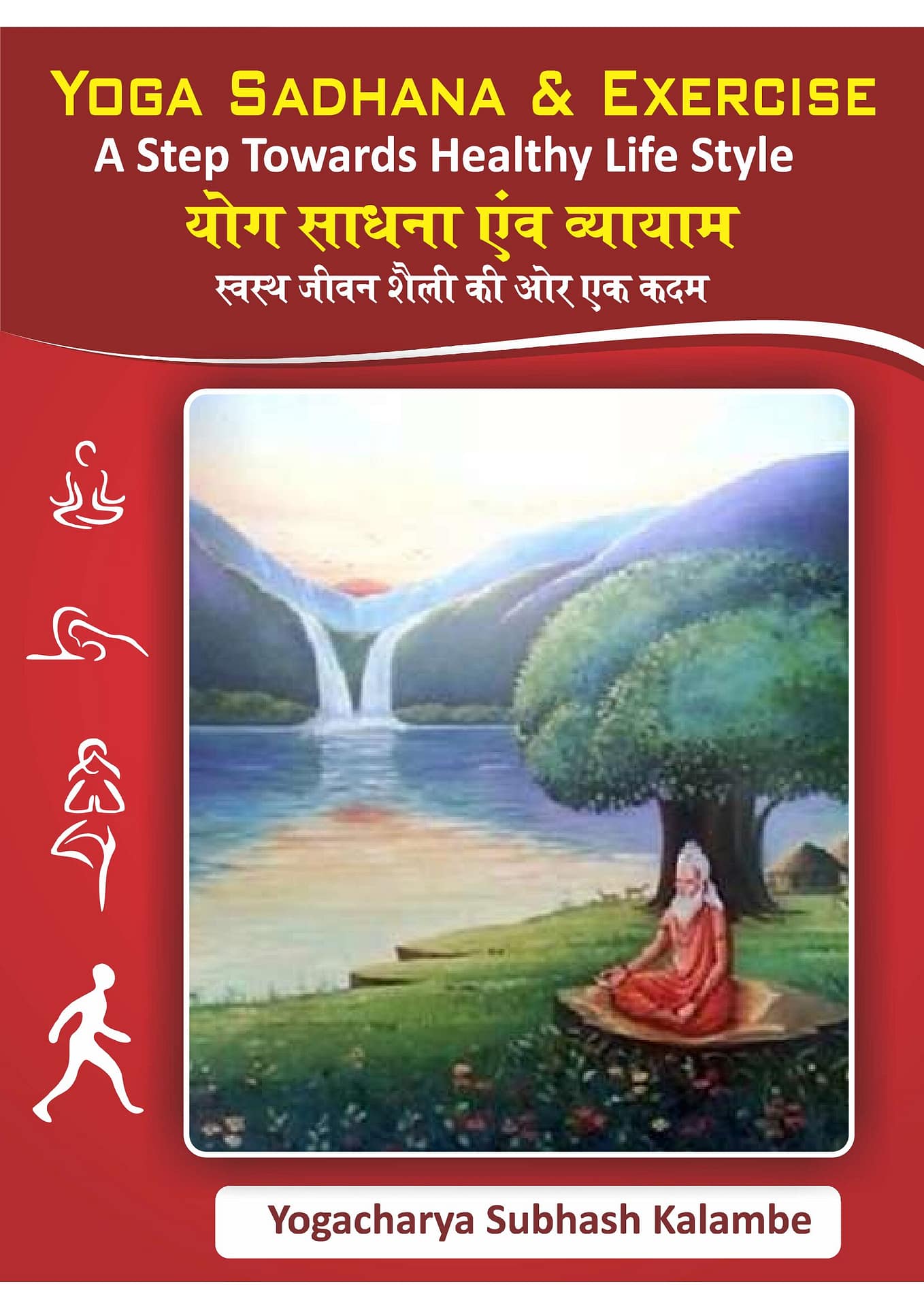
(We are grateful to Yogacharya Subhash Kalambe ji who gave us permission to publish the very useful article “Health: an asset to mankind” on the occasion of International Yoga Day. Yogacharya Subhash Kalambe ji is an author of the book “Yoga Sadhana and Exercise”. Presently, he is providing Yoga Training in his ॐ Saibag Yoga Ashram, Pune.)
☆ HEALTH: AN ASSET TO MANKIND ☆
In present day scenario, it is great achievement of life, if one remains healthy and physically fit throughout his life. If one succeeds in achieving this then certainly it is a blessing in disguise. The present day attitude of leading a luxurious style is in a way inviting more and more trouble.
What is health? “Health is nothing but a psycho-physical balance of the human personality.” A sound mind can command a sound body and a sound body responds to a sound mind. In the simplest term, a sound health denotes that when the demands arise all the body systems and organs should co-ordinate with each other to function with vigour & vitality. However, by any reason, if the psycho-physical balance becomes unstable, it leads to life threatening health maladies that will put human personality under the danger zone.
Unstable psycho-physical balance may lead to anatomical, physiological and mental ailments/disorders like heart disease, asthma, diabetes, kidney failure, indigestion, constipation, cancer, arthritis, spondylosis, obesity, physical/mental stress, high/low blood pressure, mental depression and insomnia etc. In other words these ailments/disorders are the gift of a modern luxurious life style. The psycho-physical imbalance directly affects the total human personality, which ultimately leads to mental depression at the very first instance.
Remember mental peace cannot be bought in the market. It can be achieved only through modifying our luxurious life style and by adopting a positive approach towards life. Optimism is the best solution rather than blindly following pessimism to maintain mental peace. When nature closes one door, the other door is always kept open provided you are diligent enough to recognize it. To keep up psycho-physical balance in tuned conditions just remember these simple facts of healthy living:
EAT TO LIVE, NOT LIVE TO EAT
LIVE HEALTHY AND DIE HEALTHY
A person looses the essence of healthy living by always being in the pursuit of asset. Man has an insatiable urge to earn more and more money in order to enjoy luxurious life style. This attitude leads to the neglect of the individual’s health and fitness state, diet, socialization, mental peace, etc. Psycho-physical balance should be a prime concern in everyone’s life. To maintain our health we should not rely on somebody. If every individual is healthy, the society & nation too becomes healthy. A healthy nation can survive the natural calamities with a strong willpower. More-over to keep ones mental peace we should bear in mind a few golden rules. One should learn to love others unconditionally, which is the essence of fruitful life. Don’t be jealous of others. Don’t give any space in your mind for enmity and hatred. Enjoy the happiness by sharing others happiness. If possible extend a timely helping hand provided it is need based. This will give you an additional mental satisfaction. If one cannot do well to others, we can stop ourselves from doing bad. If assistance cannot be provided, do not create hurdles. Have a positive approach in day-to-day dealing.
Moreover, hoarding movable/immovable property/asset more than your requirement causes more of anxiety and stress rather than peace. Be patient in your day-to-day life. Do not worry about the past or the future, live in the present. However, in search of mental solace / mind purification people follow the path of spirituality, religion, mythology, satsang etc. All these activities really play wonderful role in life provided human ego is surrendered at any cost. Following mythological approach blindly without knowing the facts of life will do more harm than good to the individual. To achieve the highest goal in once life is a wonderful aspect, provided individual capability and aptitude is so suited. As long as aims and objectives of life are concerned, invariably have the options, because there is no limit to human desires. Failing to achieve the desire aims and objective in life without having many options may lead to psycho-somatic disorders and directly affect the health. On the whole, leading a healthy life style should be imbibed and nurtured in our heart from the childhood itself along with cultural heritage. Keep your body and mind occupied by doing something positive, constructive and useful. Also, to keep up a sound mind in a sound body & a vice-a-versa incorporate in your daily routing some sort of aerobic exercises, yoga, meditation and a regime of healthy nutritious diet according to individual calorie requirement. To sort out or prevent most of the health problems take proper rest during working hours and have a sound sleep at night for at least 7/8 hours daily. Doing aerobic exercises in the form of brisk walk, jogging, cycling, swimming, etc. for 30 minutes, 5 times a week while maintaining target heart rate will do wonders to your health. Hence plan your day accordingly to avoid any mishaps. Similarly it is worth remembering the statement:
‘शरीरमाद्यम खलुधर्मसाधनम’
To follow the path of religion faithfully your body and mind should be sound enough. Whatever the mind thinks that reflects in the body. Therefore to maintain mental state, meditation plays a vital role in human life. Meditation in the simplest term means, “CONTINUOUS THINKING OF SOMETHING MENTALLY”. In the day-to-day life, make your body and mind to perform the task at hand with perfection by putting your heart and soul into it, so as to reduce additional, physical and mental stress. Try to attempt one work at a time. Too much of a sedentary life style like watching TV, gossiping, browsing on the internet, oversleeping, smoking, tobacco chewing, over-eating, etc. reduces the lifeline.
Therefore in a nutshell, here are a few tips on how to stay young and healthy to maintain psycho-physical balance to achieve sound health:
1) Laugh and be humorous, don’t be gloomy.
2) Let bygones be bygones. Dwelling on the past inflicts unnecessary stress.
3) Early to bed, early to rise, is healthy and nice.
4) Stay lean; being just 30% over-weight is bad.
5) Keep learning, reading and socializing. An alert and active mind keeps the brain cells healthy.
6) Keep working, doing something you like. Don’t retire; it slows down your body.
7) Be the boss of your own life. Letting others push you around produces stress.
8) Too many pills ruin your body. Take just what you need.
9) Constantly alternating between the weight gain and loss is bad.
10) Exercise, give up smoking and eat less fatty food.
11) Do not worry about health and death, just get on with your life and enjoy it.
(हम योगाचार्य सुभाष कळम्बे जी के हृदय से आभारी हैं जिन्होने हमें अंतर्राष्ट्रीय योग दिवस पर स्वास्थ्य से संबन्धित अत्यंत उपयोगी आलेख “स्वास्थ्य: मानव जाति के लिये परिसंपत्ति” प्रकाशनार्थ अनुमति प्रदान की। आप “योग साधना एवं व्यायाम “पुस्तक के लेखक हैं तथा वर्तमान में ॐ साईबाग योग आश्रम, पुणे में योग प्रशिक्षण प्रदान कर रहे हैं।)
☆ स्वास्थ्य: मानव जाति के लिये परिसंपत्ति ☆
वर्तमानकालिक परिदृश्य में अगर कोई अपनी जिंदगी भर स्वस्थ और तंदुरुस्त रहता है, तो वह जीवन की बहुत बड़ी उपलब्धि मानी जाएगी। उसे हासिल करने में किसी को प्राप्त यश एक प्रच्छन्न लाभ है। विलासप्रिय शैलीयुक्त जीवन व्यतीत करने की वर्तमान प्रवृत्ति एक तरह से एक के बाद एक अनेक तकलीफ़ों को निमंत्रण देती है।
इंटेर्णास्वास्थ्य किसे कहते हैं? मानवी व्यक्तित्व का मनो-दैहिक संतुलन ही स्वास्थ्य है। स्वस्थ मन स्वस्थ शरीर पर नियंत्रण रख सकता है और स्वस्थ शरीर स्वस्थ मन के प्रति सकारात्मक अनुक्रिया दिखाता है। सरल शब्दों में, निर्दोष स्वास्थ्य यह सूचित करता है की आवश्यकता के अनुसार सभी शारीरिक प्रणालियों और अवयव उत्साह एवं उपयोगिता के साथ एक-दूसरे से समायोजन करें। तथापि अगर किसी वजह से मनो-दैहिक संतुलन अस्थिर हो जाता है, वह जीवन के लिए ऐसी खतरनाक व्याधियों को उत्पन्न करता है जो मानवी व्यक्तित्व को संकट-क्षेत्र के अंदर ले जा सकती है।
अस्थिर मनो-दैहिक संतुलन के परिणामस्वरूप शारीरिक एवं मानसिक बीमारियाँ/रोग, जैसे हृदय-विकार, दमा, मधुमेह, गुर्दात्रुटि, अपचन, कोश्ट्बद्धता, कैंसर, आर्थाराइट्स, (जोड़ों का दर्द), स्पोंडिलाइटिस, मोटापा, शारीरिक/मानसिक तनाव, उच्च/निम्न रक्तदाब, मानसिक अवसाद और निद्रानाश आदि। दूसरे शब्दों में ये व्याधियाँ/विकार आधुनिक विलासप्रिय जीवन शैली की देन है। मनो-दैहिक असंतुलन समूचे मानवी व्यक्तित्व को सीधे प्रभावित करता है, जिसका नतीजा अंततः मानसिक अवसाद की स्थिति को तुरंत निर्माण करता है। स्मरण रहे कि, मानसिक शांति बाज़ार से खरीदी नहीं जा सकती। उस की उपलब्धि केवल हमारी विलासप्रिय जीवन शैली में परिवर्तन ला कर और जीवन के प्रति सकारात्मक रुख अपनाने से ही संभव है। मानसिक शांति को बनाये रखने के लिए निराशावाद का विचारहीनता से अनुपालन करने की अपेक्षा सर्वशुभवाद सर्वोत्कृष्ट साधन है। जब प्रकृति एक दरवाजे को बंद करती है, दूसरे दरवाजे को हमेशा खुला रखती है, बशर्ते कि आप उसे पहचानने के लिए पर्याप्त परिश्रमी हैं।
मनो-दैहिक संतुलन को अनुकूल स्थिति में कायम रखने के लिए सिर्फ स्वस्थ जीवन के निम्नलिखित सरल तथ्यों को याद रखिए :
‘जीने के लिए खाओ, न कि खाने के लिए जिओ’
‘स्वस्थ जिओ, स्वस्थ मरो।‘
संपत्ति का पीछा करने वाला व्यक्ति स्वस्थ जीवन के मूल तत्व को खो देता है। विलासमय जीवन शैली का आनंद लेने के लिए मनुष्य को ज्यादा से ज्यादा धन कमाने की अपूर्ण लालसा रहती है। इस प्रवृत्ति के कारण व्यक्ति अपना स्वास्थ्य और स्वस्थता की स्थिति, भोजन, सामाजिक, मानसिक शांति आदि की अपेक्षा करता है। हर एक व्यक्ति के जीवन में मनो-दैहिक संतुलन प्रधान विषय रहना चाहिए। हमारे स्वास्थ्य के अनुरक्षण के लिए हमें किसी अन्य व्यक्ति पर निर्भर नहीं रहना चाहिए। अगर प्रत्येक व्यक्ति स्वस्थ है, तो समाज और राष्ट्र भी स्वस्थ बनते हैं। एक स्वस्थ देश नैसर्गिक विपत्तियों में प्रबल इच्छाशक्ति के साथ टिका रह सकता है। इसके अतिरिक्त, अपनी मानसिक शांति बनाए रखने के लिए हमें कुछ स्वर्णिम नियमों को ध्यान में रखना चाहिए। दूसरों के प्रति प्रेमभाव रखना सीखना चाहिए, जो कि लाभदायक जीवन का सत्व है। औरों पर ईर्ष्या न कीजिये। अपने दिमाग में शत्रुता और घृणा को थोड़ी भी जगह मत दीजिये। दूसरों के सुख में सहभागी बन कर उसका आनंद उठाइये। संभव हो तो मदद के लिए हाथ आगे कीजिये, अगर किसी को जरूरत है। इससे आप को अतिरिक्त मानसिक संतोष की प्राप्ति होगी। अगर हम किसी का भला नहीं कर सकते, तो बुरा करने से तो अपने आप को रोक सकते हैं। सहायता नहीं दे सकते, तो बाधाओं का निर्माण मत करो। अपने दैनिक जीवन में सकारात्मक रुख अपनाओ।
इसके अलावा, अपनी आवश्यकताओं से ज्यादा चल और अचल संपत्ति का संचय शांति के बजाए दुश्चिंता और तनाव को पैदा करता है। आपके नित्य जीवन में सहनशील रहिए। भूत या भविष्य की चिंता मत कीजिये; वर्तमान में रहिए। मानसिक सांत्वना एवं मन-शुद्धिकरण की खोज में लोग आध्यात्मिकता, धर्म, पुराणशास्त्र, सत्संग, आदि मार्गों का अनुगमन कराते हैं। ये सभी गतिविधियां जीवन में वस्तुतः आश्चर्यजनक भूमिका निभाते हैं, बशर्ते कि, हर हालत में मानवी अहं का समर्पण किया गया हो। पुराण-शास्त्र अभिगम के बिना विचार एवं जीवन के तथ्यों को बिना जाने, स्वीकारे व्यक्ति को लाभ के बजाय नुकसान पहुंचाएगा। अपने जीवन में उच्चतम लक्ष्यों की उपलब्धि एक अद्भुत पहलू हैं, अगर व्यक्तिगत योग्यता और अभिवृत्ति अनुकूल हो तो। जहां तक जीवन के लक्ष्य एवं उद्देश्य का सवाल है, कई विकल्प अवश्य रखिए, क्योंकि मानवी इच्छाओं का अंत नहीं है। बिना विकल्प के इच्छाओं, लक्ष्यों एवं उद्देश्यों की प्राप्ति में विफलता मनः शारीरिक विकार उत्पन्न करके स्वस्थ्य पर सीधा बुरा प्रभाव डालेगी। कुल मिलाकर, बचपन से ही हमारे विचारों में सांस्कृतिक विरासत की साथ स्वास्थ्यकर जीवन शैली का पोषण किया जाना चाहिए। आपके शरीर एवं मन को कुछ न कुछ सकारात्मक, रचनात्मक एवं उपयोगी बातें करने में व्यस्त रखिए। साथ ही साथ, स्वस्थ शरीर में स्वस्थ मन (और प्रतिक्रम से) की सुरक्षा के लिए आपके दैनिक नित्यक्रम में कुछ ऐरोबिक व्यायाम, योग, ध्यान और कैलोरीज़ की व्यक्तिगत आवश्यकतानुसार पौष्टिक भोजन के आहार-विधान को समाविष्ट कीजिये। अधिकांश स्वास्थ्य समस्याओं को निपटाने या रोकने के लिए कार्यकाल में समुचित विश्राम कीजिये। अधिकांश स्वास्थ्य समस्याओं को निपटाने या रोकने के लिए कार्यकाल में समुचित विश्राम कीजिये और रात को कम से कम 7-8 घंटे की गहरी नींद लीजिये। सप्ताह में 5 बार 30 मिनटों के लिए निर्धारित हृदयस्पन्दन अनुपात को बनाए रखकर द्रुत-भ्रमण (तेज चलना), जॉगिंग, साइक्लिंग, तैरना, आदि आपके स्वास्थ्य में आश्चर्यजनक परिवर्तन लाएँगे। इसलिए उपर्युक्त बातें ध्यान में रखकर किसी दुर्घटना को टालने के लिए आपके दिन की योजना बनाइये। यहाँ यह उक्ति स्मरणीय है :
शरीरमाद्यम खलुधर्मसाधनम
धर्म के मार्ग पर प्रामाणिकता से अनुगमन करने के लिए आपके शरीर और मन का स्वस्थ होना जरूरी है। मन जो भी सोचता है, शरीर उसको प्रतिबिम्बित करता है। इसलिए मानवी जीवन में मानसिक सुस्थिति को बनाए रखने में ध्यान महत्वपूर्ण भूमिका निभाता है। सरल शब्दों में ध्यान का अर्थ “किसी बात पर मन में निरंतर सोचना” है। आपकी दिनचर्या में आगे के कार्य में मन और आत्मा डालकर, उत्कृष्ट रूप में करने के लिए अपने शरीर और मन को प्रेरित कीजिये, जिससे अतिरिक्त शारीरिक एवं मानसिक तनाव में कमी आएगी। एक समय एक ही काम साधिए। स्थानबद्ध जीवनशैली जैसे दूरदर्शन देखते रहना, गप्प, इंटरनेट पर ब्राऊसिंग, अति-निद्रा, धूम्रपान, तंबाकू चबाते रहना, अति भोजन आदि का अतिरेक जीवनरेखा को घटाता है। इसलिए दोषरहित स्वास्थ्य की उपलब्धि के उद्देश्य से मनो-दैहिक संतुलन के अनुरक्षण के लिए किस प्रकार जवान एवं स्वस्थ रहें इस बारे में कुछ संकेत संक्षेप में देए गए हैं।
हँसिये और विनोदप्रिय रहिए। खिन्न न रहें।
विगत को विगत ही रहने दें। भूतकाल के बारे में सोचते रहने से अनावश्यक तनाव पैदा होता है।
जल्दी सोएँ और जल्दी उठें; यह स्वास्थ्यकर और अच्छा है।
दुबले रहिए; केवल 30% अति भार भी हानिकारक है।
अध्ययन, पठन, सामाजिक कार्य चालू रखें। सतर्कता और सक्रियता मन-मस्तिष्क की कोशिकाओं को स्वस्थ रखती है।
मनोनुकूल काम करना जारी रखें। निवृत्त न हों, उससे आपका शरीर मंद बनेगा।
अपने जीवन के स्वामी स्वयं बनिए। आप औरों द्वारा धकेले गए तो उससे तनाव पैदा होगा।
दवा की अत्यधिक गोलियों से शरीर का विनाश होता है। उतनी ही लें; जितनी अनिवार्य हो।
भारवृद्धि और कमी के बीच झूलते रहना गलत है। 1.
10. व्यायाम कीजिये; धूम्रपान करना छोड़ दीजिये और चर्बीवाले अन्न कम खाइये।
स्वास्थ्य और मृत्यु की चिंता मत कीजिये; सिर्फ जीवन के साथ आगे बढ़िए और उसका आनंद उठाइये।


 A person looses the essence of healthy living by always being in the pursuit of asset. Man has an insatiable urge to earn more and more money in order to enjoy luxurious life style. This attitude leads to the neglect of the individual’s health and fitness state, diet, socialization, mental peace, etc. Psycho-physical balance should be a prime concern in everyone’s life. To maintain our health we should not rely on somebody. If every individual is healthy, the society & nation too becomes healthy. A healthy nation can survive the natural calamities with a strong willpower. More-over to keep ones mental peace we should bear in mind a few golden rules. One should learn to love others unconditionally, which is the essence of fruitful life. Don’t be jealous of others. Don’t give any space in your mind for enmity and hatred. Enjoy the happiness by sharing others happiness. If possible extend a timely helping hand provided it is need based. This will give you an additional mental satisfaction. If one cannot do well to others, we can stop ourselves from doing bad. If assistance cannot be provided, do not create hurdles. Have a positive approach in day-to-day dealing.
 अस्थिर मनो-दैहिक संतुलन के परिणामस्वरूप शारीरिक एवं मानसिक बीमारियाँ/रोग, जैसे हृदय-विकार, दमा, मधुमेह, गुर्दात्रुटि, अपचन, कोश्ट्बद्धता, कैंसर, आर्थाराइट्स, (जोड़ों का दर्द), स्पोंडिलाइटिस, मोटापा, शारीरिक/मानसिक तनाव, उच्च/निम्न रक्तदाब, मानसिक अवसाद और निद्रानाश आदि। दूसरे शब्दों में ये व्याधियाँ/विकार आधुनिक विलासप्रिय जीवन शैली की देन है। मनो-दैहिक असंतुलन समूचे मानवी व्यक्तित्व को सीधे प्रभावित करता है, जिसका नतीजा अंततः मानसिक अवसाद की स्थिति को तुरंत निर्माण करता है। स्मरण रहे कि, मानसिक शांति बाज़ार से खरीदी नहीं जा सकती। उस की उपलब्धि केवल हमारी विलासप्रिय जीवन शैली में परिवर्तन ला कर और जीवन के प्रति सकारात्मक रुख अपनाने से ही संभव है। मानसिक शांति को बनाये रखने के लिए निराशावाद का विचारहीनता से अनुपालन करने की अपेक्षा सर्वशुभवाद सर्वोत्कृष्ट साधन है। जब प्रकृति एक दरवाजे को बंद करती है, दूसरे दरवाजे को हमेशा खुला रखती है, बशर्ते कि आप उसे पहचानने के लिए पर्याप्त परिश्रमी हैं।