English Literature – Articles ❤️ LIPID PROFILE MADE EASY ☆ Shri Jagat Singh Bisht ☆


Shri Jagat Singh Bisht

(Master Teacher: Happiness & Well-Being, Laughter Yoga Master Trainer, Author, Blogger, Educator, and Speaker.)

Authored six books on happiness: Cultivating Happiness, Nirvana – The Highest Happiness, Meditate Like the Buddha, Mission Happiness, A Flourishing Life, and The Little Book of Happiness. He served in a bank for thirty-five years and has been propagating happiness and well-being among people for the past twenty years. He is on a mission – Mission Happiness!

❤️ LIPID PROFILE MADE EASY 🌌

Understanding Your Cholesterol Report Without Losing Your Peace of Mind!

Good health is not about chasing perfect numbers. It is about understanding your body, reducing genuine risks and making sensible choices — without turning every medical report into a reason for anxiety.

🌿 A little reassurance before we begin:

Have you ever received your annual health check-up report, noticed a few figures marked in red, and immediately started worrying about your heart?

Perhaps your total cholesterol is a little above the recommended range. Your LDL is marginally elevated, or your triglycerides have crossed the laboratory’s reference limit. Before you know it, you are imagining blocked arteries, heart attacks and a lifetime of medication!

Let’s pause for a moment.

An abnormal lipid profile does not automatically make you a heart patient. A mildly elevated cholesterol reading, by itself, does not mean that your arteries are blocked or that a heart attack is round the corner.

Equally, we must not dismiss genuinely high cholesterol or other cardiovascular risk factors. Cholesterol-related damage can develop silently over many years.

The good news is that we can do a great deal through sensible eating, regular physical activity, weight management, adequate sleep and other lifestyle changes. Some people, however, need medication, and taking it when medically indicated is an act of prevention, not a failure of lifestyle management.

In this article, we shall decode the lipid profile, understand which numbers matter, distinguish between situations requiring lifestyle changes and those requiring medical treatment, and discover how to look after our hearts without becoming prisoners of laboratory reports.

So, take a deep breath. Let’s understand the subject, one step at a time. 😊

—

 🩺 What exactly is a Lipid Profile Test?

 A lipid profile is a simple blood test that measures the different types of fats (lipids) circulating in your blood.

These fats are essential for the body. Cholesterol, for instance, helps build cells and produce certain hormones. Triglycerides provide stored energy.

The problem is not the presence of cholesterol. The problem arises when certain types of cholesterol and other blood lipids remain elevated over time, increasing the risk of fatty deposits in the arteries.

A standard lipid profile measures four principal parameters.

  1. LDL – Low-Density Lipoprotein

 Often called bad cholesterol. It carries cholesterol to different parts of the body. When elevated, it contributes to plaque formation in artery walls, increasing the risk of heart attack and stroke.

The lower, the better, particularly in people at higher cardiovascular risk.

  1. HDL – High-Density Lipoprotein

 Often called good cholesterol. It participates in transporting cholesterol away from tissues towards the liver for processing.

Higher HDL levels are generally associated with lower cardiovascular risk. However, a high HDL reading does not cancel out the danger of high LDL.

  1. Triglycerides (TG)

 These are fats formed from excess calories, particularly those coming from sugars, refined carbohydrates and alcohol.

High triglycerides are commonly associated with excess weight, diabetes, physical inactivity and metabolic problems.

  1. Total Cholesterol (TC)

 This represents the total cholesterol carried by different lipoproteins in the blood. It is useful as an overall indicator, but cannot independently tell us the extent of cardiovascular risk.

 One more useful term: Non-HDL cholesterol

 This is calculated by subtracting HDL from total cholesterol. It represents cholesterol carried by potentially artery-damaging particles and is particularly useful when triglycerides are elevated.

 —

 📊 What do the numbers mean?

 Here is a handy reference for adults. The figures are in mg/dL, the unit commonly used by Indian laboratories.

  • Total cholesterol: Below 200 is generally desirable.
  • LDL cholesterol: Below 100 is generally desirable for people at lower risk.
  • HDL cholesterol: 40 or above in men and 50 or above in women are generally desirable.
  • Triglycerides: Below 150 is generally desirable.
  • Non-HDL cholesterol: Below 130 is generally desirable for people at lower risk.

These are general reference points, not universal treatment targets. A person with diabetes, previous heart attack, stroke or other significant risk factors may need substantially lower LDL levels.

A few important observations

  • Total cholesterol of 205 or 215 does not, by itself, indicate heart disease.
  • LDL of 110 or 120 does not automatically mean that medication is necessary.
  • HDL of 60 is generally favourable, but does not neutralise high LDL.
  • Triglycerides of 160–180 deserve attention, but usually do not constitute an emergency.
  • Triglycerides above 500 require prompt medical assessment because the risk of pancreatitis increases.

Remember: We must interpret the entire lipid profile, not just the figures printed in red.

 —

  1. 😊 Who should not panic?

Let us first address the people who become anxious after seeing one or two mildly abnormal readings.

If you are otherwise healthy, have no known cardiovascular disease, maintain normal blood pressure and blood sugar, do not smoke, and have no strong family history of premature heart disease, a mildly elevated cholesterol reading is generally not a reason to panic.

For example, consider the following readings:

  • Total cholesterol: 205 mg/dL.
  • LDL: 112 mg/dL.
  • HDL: 55 mg/dL.
  • Triglycerides: 145 mg/dL

Such a report does not automatically call for medication. It calls for an assessment of overall cardiovascular risk and, quite possibly, some sensible lifestyle adjustments.

However, there is an important qualification.

Normal blood pressure and blood sugar do not guarantee that your arteries are healthy. High LDL can be a risk factor even when all other routine tests are normal.

Similarly, a person may have significant cardiovascular risk despite apparently acceptable cholesterol figures.

Therefore, do not panic, but do not ignore the report either.

The right approach is calm evaluation rather than fear-driven treatment.

—

  1. ⚠️ Who should be more careful?

Some people need closer attention even when their cholesterol readings are only moderately elevated.

You should discuss your lipid profile with your doctor particularly if you have any of the following:

  1. Diabetes: High blood sugar and abnormal lipid levels frequently occur together. People with diabetes often require more intensive cholesterol management.
  2. High blood pressure: The combination of hypertension and elevated LDL increases cardiovascular risk.
  3. Family history: If a close family member had a heart attack or stroke at an unusually young age (generally before 55 in men or 65 in women), take particular care.
  4. Smoking or tobacco use: Tobacco significantly increases cardiovascular risk.
  5. Excess abdominal fat: A larger waistline is frequently associated with insulin resistance, high triglycerides and low HDL.
  6. Kidney disease: Chronic kidney disease can increase cardiovascular risk and alter lipid metabolism.
  7. Previous heart attack, stroke or arterial disease: These individuals require particularly careful lipid management.
  8. Very high LDL: An LDL reading of 190 mg/dL or above in an adult warrants prompt medical evaluation for severe hypercholesterolaemia, including possible inherited conditions.
  9. Very high triglycerides: Levels of 500 mg/dL or above require timely medical attention. At 1,000 or above, the risk of acute pancreatitis becomes particularly concerning.

One additional point worth knowing: Indians can develop cardiovascular disease at relatively younger ages. We should not assume that being slim, vegetarian or physically active automatically protects us.

—

  1. 🥗 Can diet and lifestyle changes improve cholesterol?

Absolutely! In many people with mildly or moderately abnormal lipid readings, lifestyle changes can make a meaningful difference.

However, we must understand that different lipid parameters respond differently.

LDL: Can improve with reduced saturated fat, increased soluble fibre and weight management.

Triglycerides: Often respond particularly well to weight loss, exercise and reduced sugar and refined carbohydrates.

HDL: May improve modestly with exercise, weight management and stopping smoking.

Total cholesterol: May improve as LDL and other cholesterol-carrying particles decrease.

How much improvement can we expect?

There is no single percentage applicable to everyone. The response depends on genetics, starting levels, diet, weight, physical activity, diabetes and other health conditions.

Some people see substantial improvement; others experience only modest changes.

One important distinction: lifestyle changes can improve cholesterol, but they cannot always overcome a strong genetic tendency towards high LDL. Nor should someone at high cardiovascular risk postpone necessary treatment while waiting for diet and exercise to work.

What changes should you make?

  1. Reduce saturated fats

Limit excessive consumption of:

  • Ghee and butter.
  • Cream, full-fat cheese and malai.
  • Fatty meat and processed meat.
  • Bakery products containing shortening or hydrogenated fats.
  • Deep-fried snacks.

You do not need to eliminate every traditional food. The objective is moderation and healthier substitutions.

  1. Increase soluble fibre

 Soluble fibre helps reduce LDL cholesterol.

Include oats and barley, dal, rajma, chana and other pulses, apples, pears and citrus fruits, vegetables and isabgol (psyllium husk), if suitable for you.

  1. Choose healthy fats

Use reasonable quantities of unsaturated vegetable oils such as mustard, groundnut, rice bran or olive oil.

Include almonds, walnuts, flaxseeds and other nuts and seeds in moderate quantities.

Remember that even healthy oils and nuts are calorie-dense. Excessive consumption can contribute to weight gain.

  1. Reduce sugar and refined carbohydrates

This is particularly important if your triglycerides are elevated.

Reduce sweets and mithai, sugary beverages and packaged juices, biscuits, cakes and pastries, excessive white bread, maida and refined snacks, and large portions of polished white rice.

A little discipline here can make a considerable difference to triglycerides.

  1. Be sensible about alcohol

Alcohol can raise triglycerides, sometimes substantially. If your triglycerides are high, avoiding alcohol is advisable. If they are severely elevated, abstinence is particularly important.

—

  1. 💊 When should you consider supplements?

This is an area where considerable confusion exists.

The market is full of products advertised as natural cholesterol controllers. Garlic capsules, fish oil, red yeast rice, flaxseed oil, plant sterols and numerous herbal preparations are promoted as alternatives to medicines.

But natural does not necessarily mean effective or safe!

Let’s distinguish between useful foods and supplements.

  1. Omega-3 fatty acids

Prescription omega-3 preparations are useful in selected patients with elevated triglycerides. However, ordinary over-the-counter fish oil capsules should not be considered a substitute for cholesterol medicines or a proven method of preventing heart attacks.

  1. Flaxseeds

Whole or ground flaxseeds can be a useful addition to the diet. They provide fibre and healthy fats. Their cholesterol-lowering effect is generally modest.

  1. Plant sterols and stanols

These substances can modestly reduce LDL cholesterol when consumed in appropriate quantities. They are available in certain fortified foods and supplements.

  1. Garlic supplements

 Some studies suggest a modest reduction in cholesterol. However, the evidence is not strong enough to recommend garlic capsules as a treatment for high cholesterol.

 Red yeast rice

 Exercise caution. Some preparations contain a substance chemically similar to a prescription statin and may produce similar side effects and drug interactions. Their composition and quality can also vary.

Our recommendation

Do not start supplements merely because your report shows an abnormal reading.

The 2026 American College of Cardiology/American Heart Association guideline does not recommend dietary supplements as a general treatment for lowering LDL or triglycerides because the evidence of meaningful cardiovascular benefit is limited or inconsistent.

A balanced diet containing nuts, seeds, pulses, vegetables and whole grains is a much better starting point.

Consult your family physician before taking any supplement, particularly if you already take medicines for diabetes, blood pressure, cholesterol or blood thinning.

And please remember: supplements must never replace a prescribed statin or other necessary medication.

—

  1. 💊 When are cholesterol medicines necessary?

 This is perhaps the most important question.

There is a widespread perception that prescribing a statin is an unnecessary medical intervention. At the other extreme, some people believe that every abnormal cholesterol reading requires medication.

Both approaches are incorrect.

What are statins?

Statins are a group of medicines that reduce the production of cholesterol in the liver, thereby lowering LDL cholesterol.

Commonly prescribed statins include:

  • Atorvastatin.
  • Rosuvastatin.
  • Pravastatin.
  • Simvastatin.

They are among the most extensively researched medicines in cardiovascular prevention.

Clinical evidence shows that, in appropriately selected patients, statins reduce the risk of heart attacks, strokes and other cardiovascular complications.

Who may need statins?

A qualified doctor may recommend statins in the following situations:

  1. Very high LDL cholesterol

An LDL level of 190 mg/dL or above generally warrants treatment, alongside evaluation for inherited cholesterol disorders and other causes.

  1. Diabetes

 Many adults aged 40–75 years with diabetes benefit from statin therapy, even when their LDL readings do not appear particularly high.

  1. Existing cardiovascular disease

People who have suffered a heart attack, stroke or have established arterial disease generally require cholesterol-lowering medication.

  1. Multiple risk factors

A combination of hypertension, diabetes, smoking, family history, kidney disease and elevated LDL may make medication advisable.

  1. Persistently elevated cholesterol

If LDL remains elevated despite appropriate lifestyle changes, and the person’s overall cardiovascular risk justifies treatment, statins may be necessary.

Are statins safe?

 For most people who need them, statins are safe and well tolerated.

Some people experience muscle aches, digestive discomfort or other side effects. Serious muscle or liver complications are uncommon, but deserve medical attention.

If you experience unexplained muscle pain, weakness or dark urine after starting a statin, contact your doctor.

The doctor may review the dose, check for other causes, change the statin or consider an alternative medicine.

Should statins be avoided for fear of side effects?

Certainly not!

The decision should be based on the balance between potential benefit and possible harm.

For someone at high cardiovascular risk, the protection offered by statins can be considerably greater than the risk of side effects.

Never start, stop or change the dose of a statin on your own.

Also, do not assume that medication must always be lifelong in every person. The duration and need for treatment depend on the underlying risk and medical circumstances. In many high-risk patients, however, long-term treatment is appropriate.

A word about medical consultations

A prescription should ideally follow a proper assessment, not merely a glance at a red-marked figure.

Your doctor should consider age and sex, blood pressure, blood sugar and HbA1c, smoking and tobacco use, family history, previous cardiovascular events, kidney and liver health, LDL and triglyceride levels, and overall cardiovascular risk.

Where appropriate, the doctor may investigate thyroid disorders, diabetes, kidney disease, liver problems, medication effects or inherited lipid disorders.

The decision to prescribe a statin should be a reasoned medical decision, preferably made after discussing the benefits, risks and alternatives with the patient.

—

  1. ❤️ The heart-healthy Indian lifestyle plan

 Now comes the most encouraging part.

Looking after your heart does not require expensive health foods, complicated diets, gym memberships or a lifestyle that is difficult to sustain.

A few consistent habits can go a long way.

Eat sensibly, not extravagantly

A practical Indian food plan could look like this:

Early morning: Water; a few nuts if desired.

Breakfast: Vegetable poha, oats, dal chilla, idli or vegetable upma.

Mid-morning: Seasonal fruit.

Lunch: Roti or moderate rice portion, dal, vegetables, salad and plain curd.

Evening: Roasted chana, fruit or a small handful of nuts.

Dinner: Vegetable-rich meal, dal, roti or other whole grains.

A few practical principles:

  • Prefer whole grains and millets in suitable portions.
  • Eat plenty of seasonal vegetables.
  • Include pulses and legumes regularly.
  • Choose fruit rather than fruit juice.
  • Prefer low-fat or moderate-fat dairy.
  • Use cooking oil sparingly.
  • Keep sweets and fried foods occasional rather than everyday indulgences.
  • Avoid highly processed foods.

You do not have to give up your favourite Indian dishes. You simply need to reconsider their frequency, ingredients and portion sizes.

  1. Make walking a daily habit

Walking is one of the simplest and most accessible forms of exercise.

Aim for 30 minutes of brisk walking on five days a week. Gradually increase the duration if comfortable. Include strength-building exercises at least twice a week. Practise balance exercises, particularly as you grow older. Avoid sitting continuously for long periods.

The World Health Organization recommends at least 150–300 minutes of moderate-intensity aerobic activity per week for adults, along with muscle-strengthening activities on two or more days.

If you are elderly, have arthritis, heart disease or other medical conditions, choose an exercise programme appropriate to your abilities and discuss it with your doctor before undertaking strenuous activity. 

  1. Yoga, pranayama and meditation

 Yoga can be a valuable part of a healthy lifestyle.

Gentle asanas, appropriate breathing practices, relaxation and meditation can help improve flexibility, balance, stress management and general well-being.

Meditation can help us respond to stress more calmly.

However, one important clarification: yoga and meditation should complement, not replace, medical treatment for high cholesterol, hypertension or diabetes.

Choose gentle, age-appropriate practices. Avoid forceful breathing, breath retention and strenuous postures if they are unsuitable for your health.

  1. Maintain a healthy waistline

 Excess abdominal fat is particularly associated with insulin resistance, high triglycerides and low HDL.

If you are overweight, even a modest and sustainable reduction in body weight can improve your metabolic health.

Do not pursue crash diets or rapid weight loss. Aim for gradual, lasting changes.

  1. Sleep well

 Try to maintain a regular sleep schedule and obtain approximately 7–9 hours of sleep, as appropriate for your age and health.

Persistent snoring, daytime sleepiness or suspected sleep apnoea deserves medical evaluation.

  1. Give up tobacco

 Smoking and other forms of tobacco use damage blood vessels and substantially increase cardiovascular risk.

Quitting is one of the most valuable things you can do for your heart.

  1. Learn to manage stress

 Stress is a part of life, but chronic stress can adversely affect sleep, blood pressure, eating habits and overall health.

Make room for activities that bring you peace and happiness.

Spend time with family and friends. Read, walk, listen to music, practise yoga or meditation, pursue a hobby and, above all, cultivate a sense of humour.

A healthy heart needs more than healthy arteries. It needs a healthy way of living!

—

  1. 🔬 A few additional things worth knowing

 Medical science has advanced, and a routine lipid profile is not the entire story.

There are a few additional tests that your doctor may consider in selected situations.

  1. Lipoprotein(a) – Lp(a)

 This is a largely inherited form of cholesterol-carrying particle. High levels can increase cardiovascular risk independently of conventional LDL cholesterol.

The 2026 American guidelines recommend measuring Lp(a) at least once in adulthood to identify people with inherited additional risk.

  1. Apolipoprotein B – ApoB

This test measures the number of potentially harmful cholesterol-carrying particles indirectly and can provide additional information, particularly in people with diabetes or high triglycerides.

  1. HbA1c

 This measures average blood sugar over approximately three months. It helps identify diabetes or poor blood sugar control, both of which are important cardiovascular risk factors.

  1. Thyroid function

 An underactive thyroid can contribute to elevated cholesterol. Your doctor may recommend thyroid testing if clinically indicated.

These additional tests are not necessary for everyone. They should be selected according to individual circumstances.

Should you fast before a lipid profile?

Not necessarily.

A non-fasting lipid profile is adequate for routine screening in many people. However, your doctor may recommend a fasting sample if triglycerides are substantially elevated or if a more accurate assessment is required.

Follow the instructions of your laboratory and physician.

How frequently should you repeat the test?

There is no universal schedule.

After starting a lifestyle programme or changing cholesterol medication, a repeat test after approximately 4–12 weeks is commonly used to assess the response.

Once your levels are stable, the frequency can be adjusted according to your age, risk factors and treatment plan.

Do not get a lipid profile repeated every few weeks merely because you are anxious about the numbers.

—

  1. 🚨 When should you seek immediate medical attention?

High cholesterol itself generally does not produce symptoms. You cannot reliably determine your cholesterol level by how you feel.

However, do not confuse a routine lipid abnormality with symptoms of a possible cardiovascular emergency.

Seek emergency medical help if you experience:

  • Chest pressure, tightness or pain, particularly if it spreads to the arm, jaw, back or neck.
  • Sudden unexplained breathlessness.
  • Sudden weakness or numbness on one side of the body.
  • Sudden difficulty speaking or understanding speech.
  • Sudden loss of vision or severe unexplained dizziness.

Do not wait for your next cholesterol test or routine appointment if these symptoms occur.

—

  1. 🌻 The most important lessons to remember

 Let us summarise everything in a few simple thoughts.

❤️ A slightly elevated cholesterol reading does not automatically make you a heart patient.

 🏃 Your overall cardiovascular risk matters more than any single number.

 🥗 Healthy eating, regular exercise and weight management can make a meaningful difference.

 🩺 Medication is neither a punishment nor a failure. When indicated, it can save lives.

 💊 Do not self-medicate with cholesterol supplements or discontinue prescribed medicines.

 😊 Do not allow anxiety about laboratory reports to rob you of the happiness of living.

 —

 ❤️ A final word: Let us take care of our hearts, not become obsessed with them!

 Our bodies are wonderfully complex. They are not machines that must produce perfect readings every time we visit a laboratory.

A little variation in a blood report is not necessarily a cause for alarm. What matters is the larger picture: our habits, medical history, family background, age and overall cardiovascular risk.

We must neither trivialise high cholesterol nor turn every borderline reading into a medical crisis.

Let us eat sensibly, walk regularly, sleep adequately, practise yoga or meditation, maintain healthy relationships and enjoy the simple pleasures of life.

If medication is required, take it without guilt or fear. If lifestyle changes are sufficient, embrace them with commitment. And if you are uncertain about your report, discuss it with a qualified and experienced physician rather than relying on frightening internet searches or well-meaning advice from friends.

The objective is not merely to achieve a beautiful lipid profile. It is to enjoy a healthier, happier and longer life.

After all, the heart is meant to keep beating — and we are meant to keep living! ❤️😊

Stay healthy. Stay happy. Take care of your heart!

—

 🍃Medical references:

This article draws upon established cardiovascular recommendations and the latest relevant guidance.

 🍂Medical disclaimer:

This is an educational article for the general public, not an individual diagnosis or prescription. Treatment decisions must be based on personal medical history, examination, investigations and a qualified doctor’s assessment.

 ♥ ♥ ♥ ♥

🍃Compiled by: Jagat Singh Bisht 🍂

Master Teacher: Happiness & Well-Being, Laughter Yoga Master Trainer, Author, Blogger, Educator, and Speaker

FounderLifeSkills

A Pathway to Authentic Happiness, Well-Being & A Fulfilling Life! We teach skills to lead a healthy, happy and meaningful life.

The Science of Happiness (Positive Psychology), Meditation, Yoga, Spirituality and Laughter Yoga. We conduct talks, seminars, workshops, retreats and training.

≈ Editor – Shri Hemant Bawankar/Editor (English) – Captain Pravin Raghuvanshi, NM
Please share your Post !

Shares

हिंदी साहित्य – योग-साधना ☆ सुबह के तीन स्वर्णिम घंटे ☆ श्री जगत सिंह बिष्ट ☆

श्री जगत सिंह बिष्ट

(Master Teacher: Happiness & Well-Being, Laughter Yoga Master Trainer, Author, Blogger, Educator, and Speaker.)

🌄 सुबह के तीन स्वर्णिम घंटे 🌅

जब संसार जागने से पहले आप अपने भीतर जागते हैं…

हर दिन हमें जीवन की ओर से चौबीस घंटे का एक नया उपहार मिलता है।

लेकिन उन चौबीस घंटों में कुछ घंटे ऐसे होते हैं, जिनमें एक विशेष जादू छिपा होता है।

सुबह के पहले तीन घंटे।

रात और दिन के बीच का वह संधि-काल, जब आकाश धीरे-धीरे अपना रंग बदलता है, पक्षियों की आवाजें सुनाई देने लगती हैं, हवा में एक अनकही ताजगी होती है और संसार अभी पूरी तरह जागा नहीं होता।

भारतीय परम्परा ने ऐसे समय को ब्रह्ममुहूर्त के निकट का पवित्र समय माना है—वह समय जब वातावरण अपेक्षाकृत शांत और मन अपेक्षाकृत निर्मल होता है।

बुद्ध ने हमें स्मृति—अर्थात् जागरूक होकर जीने—का मार्ग दिखाया।

पतंजलि ने योग को चित्त की वृत्तियों के निरोध की दिशा में ले जाने वाली साधना कहा।

और हमारी प्राचीन जीवन-दृष्टि हमें बार-बार याद दिलाती रही है कि दिन की शुरुआत जैसी होती है, जीवन की दिशा भी अक्सर वैसी ही बनती जाती है।

तो क्यों न सुबह को केवल दिन की शुरुआत न मानकर—

अपने आप से मिलने का समय बनाया जाए? 🌿

—

🌄 1. सूरज से पहले उठिए—दिन से पहले स्वयं से मिलिए

यदि सम्भव हो तो सूर्योदय से पहले उठिए।

उस समय उठना केवल जल्दी उठना नहीं है।

यह अपने लिए कुछ ऐसा समय बचाना है, जिस पर अभी दुनिया का कोई दावा नहीं है।

न फोन आपको बुला रहा है।

न ई-मेल आपका इंतजार कर रहा है।

न कोई मीटिंग सामने है।

न कोई समाचार आपको उत्तेजित कर रहा है।

कुछ देर के लिए—

आप और आपका जीवन आमने-सामने हैं।

बाहर निकलें।

धीरे-धीरे चलें या अपनी क्षमता के अनुसार जॉगिंग करें।

धरती को पैरों के नीचे महसूस करें।

आकाश को देखें।

सुबह की हवा को चेहरे से गुजरने दें।

🚶‍♂️ चलना केवल शरीर की गति नहीं है।

कभी-कभी यह मन को भी आगे बढ़ाता है।

—

🤸 2. शरीर को जगाइए, केवल आँखों को नहीं

रात की निष्क्रियता के बाद शरीर को धीरे-धीरे गति दीजिए।

खींचिए।

झुकिए।

मोड़िए।

घुमाइए।

बलखाइए।

उछलिए।

योगासन करें, सूर्य नमस्कार करें, हल्की कसरत करें या अपनी उम्र और शारीरिक क्षमता के अनुसार कोई सहज व्यायाम करें।

लेकिन एक बात याद रखिए—

व्यायाम शरीर को दण्ड देने के लिए नहीं, उसे जीवन का उत्सव बनाने के लिए है। 🌿

जब शरीर गतिशील होता है और मन सजग रहता है, तब व्यायाम केवल शारीरिक क्रिया नहीं रहता।

वह एक प्रकार की साधना बन जाता है।

—

🌬️ 3. साँस को महसूस कीजिए

अब कुछ क्षण अपनी साँस के साथ रहिए।

गहरी, सहज साँस भीतर लीजिए।

धीरे-धीरे बाहर छोड़िए।

फिर से।

बिना किसी जल्दबाजी के।

🌬️ साँस भीतर—शान्ति।

साँस बाहर—तनाव।

साँस को बदलने की कोशिश करने से पहले उसे देखिए।

वह कैसे भीतर आती है।

कैसे बाहर जाती है।

कैसे एक साँस दूसरी साँस में बदल जाती है।

यही तो बुद्ध की स्मृति की सरल शुरुआत है—जो हो रहा है, उसे जागरूक होकर देखना।

कुछ मिनट अपनी साँस के साक्षी बनकर बैठिए।

आप पाएँगे कि साँस के साथ-साथ मन की गति भी धीरे-धीरे बदलने लगी है।

—

🌳 4. प्रकृति को देखिए—और इस बार सचमुच देखिए

हम प्रकृति के बीच रहते हुए भी प्रकृति को देखना भूल गए हैं।

सुबह एक बार कोशिश कीजिए।

पेड़ को देखिए। 🌳

पत्तियों की हलचल सुनिए। 🍃

पक्षियों का संगीत सुनिए। 🐦

आकाश के बदलते रंगों को निहारिए। 🌅

हवा के स्पर्श को महसूस कीजिए।

फूल को केवल “फूल” मत कहिए।

उसे देखिए।

उसका रंग देखिए।

उसकी सुगन्ध महसूस कीजिए।

उसकी नाजुकता देखिए।

कुछ क्षणों के लिए प्रकृति को नाम दिए बिना देखिए।

तब शायद आपको अनुभव हो कि प्रकृति केवल हमारे आसपास नहीं है—

हम स्वयं भी उसी विराट जीवन का एक छोटा-सा हिस्सा हैं।

और तभी भीतर से कोई धीमी आवाज उठ सकती है—

🙏 “धन्यवाद!”

किसे?

जिसे आप ईश्वर कहें, प्रकृति कहें, ब्रह्म कहें, अस्तित्व कहें या जीवन—

नाम कोई भी हो।

कृतज्ञता का अनुभव अपने आप में एक आध्यात्मिक अनुभव है।

—

🧘 5. कुछ देर मौन में बैठिए

चल लिया।

शरीर को गति दे दी।

साँस को महसूस कर लिया।

प्रकृति को देख लिया।

अब—

कुछ मत कीजिए।

बस बैठिए।

आँखें बन्द कर सकते हैं।

अपनी साँस के साक्षी बनिए।

विचार आएँ तो आने दीजिए।

उन्हें पकड़िए मत।

उन्हें भगाइए भी मत।

वे बादलों की तरह आएँगे और चले जाएँगे।

आप आकाश की तरह बने रहिए। ☁️

यही ध्यान की एक सरल दिशा है।

धीरे-धीरे आप समझ सकते हैं कि मन में विचारों का होना समस्या नहीं है; हर विचार के पीछे भागते रहना समस्या हो सकता है।

मौन में मन को विश्राम मिलता है।

और जब मन थोड़ा शांत होता है, तो भीतर की सूक्ष्म आवाजें सुनाई देने लगती हैं।

🕊️ ध्यान मन को ठहराता है।

मौन मन को गहराई देता है।

और सजगता जीवन में गरिमा लाती है।

—

😊 6. सुबह को शब्दों से नहीं, मुस्कान से शुरू कीजिए

सुबह की सैर में कोई परिचित मिल जाए तो मुस्कुरा दीजिए।

एक हल्का-सा अभिवादन।

सिर का एक छोटा-सा इशारा।

हाथ हिलाकर नमस्कार।

हर सुबह बातचीत से भर देना आवश्यक नहीं।

कुछ समय ऐसा भी हो जब मौन आपकी भाषा हो और मुस्कान आपका अभिवादन।

😊 एक मुस्कान बहुत कुछ कह सकती है—

मैंने तुम्हें देखा।

मैं तुम्हें पहचानता हूँ।

तुम्हारा दिन शुभ हो।

इतने से भी दुनिया थोड़ी अधिक मानवीय हो सकती है।

—

💧 7. शरीर को जल, मन को शान्ति दीजिए

सुबह पर्याप्त पानी पीजिए।

एक गिलास या अपनी आवश्यकता के अनुसार अधिक।

💧 शरीर को उसकी आवश्यकता का जल दीजिए और इसे भी एक सजग कर्म बनाइए।

जल पीते समय कहीं और मत भागिए।

कुछ क्षण वहीं रहिए।

कभी-कभी जीवन की बड़ी खुशियाँ बड़ी चीजों में नहीं—

छोटी चीजों को पूरी तरह जीने में छिपी होती हैं।

—

🍋 8. अपने लिए एक शांत प्याला

यदि आपको पसन्द हो तो अदरक, नींबू और शहद वाली गरम चाय का प्याला लीजिए।

🍋🫚🍯

लेकिन इस बार इसे केवल चाय मत समझिए।

इसे एक छोटा-सा सुबह का अनुष्ठान बना दीजिए।

धीरे-धीरे चुस्की लीजिए।

उसकी गर्माहट महसूस कीजिए।

उसकी सुगन्ध महसूस कीजिए।

और कुछ क्षणों के लिए बस उसी अनुभव में रहिए।

सजग होकर पी गई साधारण चाय भी ध्यान बन सकती है।

—

📵 9. सबसे बड़ा आध्यात्मिक अनुशासन—मोबाइल से दूरी

और अब आती है सबसे महत्वपूर्ण बात।

सुबह के इन तीन घंटों में मोबाइल को हाथ मत लगाइए। 📵

न व्हाट्सऐप।

न सोशल मीडिया।

न समाचार।

न ई-मेल।

न अनन्त स्क्रॉलिंग।

सोचिए—

आपकी आँख अभी-अभी खुली है।

आपका मन अभी रात की शान्ति से निकला है।

और आप उसे सबसे पहले क्या दे रहे हैं?

किसी की राजनीतिक बहस।

किसी की शिकायत।

किसी की चिन्ता।

किसी की सफलता।

किसी की उत्तेजना।

किसी की तस्वीर।

किसी का संदेश।

क्यों?

क्या अपने मन को दिन की पहली खुराक के रूप में शोर देना आवश्यक है?

नहीं।

सुबह के इन कुछ घंटों में अपने मन को दूसरों की दुनिया से पहले अपनी दुनिया से मिलने दीजिए।

मोबाइल बाद में देख लीजिए।

दुनिया कहीं जा नहीं रही।

लेकिन सुबह का वह निर्मल मन—

एक बार चला गया तो लौटकर उसी रूप में नहीं आएगा।

📵 सुबह की पहली दृष्टि स्क्रीन पर नहीं, आकाश पर पड़ने दीजिए।

—

🍎 10. भोजन को भी ध्यान बना दीजिए

अब स्वस्थ और संतुलित नाश्ता कीजिए।

🥣🍎🌾

भोजन करते समय मोबाइल सामने न हो।

टीवी न चल रहा हो।

समाचारों का शोर न हो।

धीरे खाइए।

भोजन को देखिए।

उसका स्वाद महसूस कीजिए।

और मन ही मन उस अन्न के लिए कृतज्ञ हो जाइए, जो खेत से आपकी थाली तक पहुँचा।

भोजन केवल पेट भरने की वस्तु नहीं; वह जीवन को आगे ले जाने वाली ऊर्जा है।

इसलिए भोजन करते समय भी उपस्थित रहिए।

—

🌞 फिर देखिए—दिन कैसे बदलता है

अब तीन घंटे बीत चुके हैं।

लेकिन ये तीन घंटे केवल बीते नहीं हैं।

उन्होंने आपको भीतर से तैयार किया है।

आपने शरीर को जगाया।

साँस को महसूस किया।

प्रकृति को देखा।

मन को शांत किया।

मौन का स्वाद लिया।

कृतज्ञता को छुआ।

मोबाइल से दूरी बनाई।

और अपने शरीर को प्रेमपूर्वक पोषण दिया।

अब दिन आपके सामने है।

ट्रैफिक भी होगा। 🚗

ई-मेल भी आएँगे। 📧

लोग असहमत भी होंगे।

काम का दबाव भी होगा।

कुछ अप्रत्याशित भी होगा।

लेकिन आपके भीतर एक शान्त केन्द्र बन चुका होगा।

और शायद यही सबसे बड़ी साधना है—

परिस्थितियों को बदलना नहीं, परिस्थितियों के बीच अपने भीतर की शान्ति को बचाए रखना।

—

🌿 सुबह की सुगन्ध दिन भर साथ रखिए

सुबह की शान्ति कोई ऐसी चीज नहीं जिसे ध्यान समाप्त होते ही कमरे में छोड़ दिया जाए।

उसे अपने साथ लेकर चलिए।

बात करते समय थोड़ी सजगता।

काम करते समय थोड़ी एकाग्रता।

चलते समय थोड़ी जागरूकता।

खाते समय थोड़ी कृतज्ञता।

और कठिन परिस्थिति में—

एक गहरी साँस।

बस।

शायद यही छोटी-छोटी बातें जीवन को धीरे-धीरे बदल देती हैं।

—

✨ तीन घंटे स्वयं को दीजिए

कल सुबह एक प्रयोग कीजिए।

अलार्म बजने पर मोबाइल उठाने के बजाय—

खिड़की खोलिए।

आकाश देखिए।

एक गहरी साँस लीजिए।

और अपने आप से कहिए—

“आज का पहला समय मेरा है।” 🙏

फिर बाहर जाइए।

🌅 सूर्योदय देखिए।

🚶 चलिए।

🤸 शरीर को जगाइए।

🌬️ साँस को महसूस कीजिए।

🌳 प्रकृति से मिलिए।

🧘 ध्यान कीजिए।

🕊️ मौन में बैठिए।

😊 मुस्कुराइए।

💧 पानी पीजिए।

🍋 अपने लिए कुछ स्वस्थ लीजिए।

📵 मोबाइल को दूर रखिए।

🍎 शान्ति से नाश्ता कीजिए।

🙏 और उस अदृश्य शक्ति के प्रति कृतज्ञ हो जाइए, जिसने आपको एक और सुबह दी है।

फिर दिन में प्रवेश कीजिए।

सिर्फ जागे हुए नहीं—

बल्कि जागरूक होकर।

सिर्फ जीवित नहीं—

बल्कि जीवन्त होकर।

सिर्फ ऊर्जावान नहीं—

बल्कि शान्त और प्रसन्न होकर।

—

🌅 एक अन्तिम बात…

हो सकता है आपकी समस्याएँ सुबह की इन तीन घंटों में समाप्त न हों।

लेकिन शायद आप उनके साथ अपना सम्बन्ध बदल सकें।

हो सकता है जीवन आसान न हो जाए।

लेकिन शायद आप जीवन को अधिक सहजता से जीने लगें।

हो सकता है दुनिया न बदले।

लेकिन दुनिया को देखने वाली आपकी आँखें बदल सकती हैं।

और जब दृष्टि बदलती है, तो अक्सर वही जीवन—

कुछ अधिक सुन्दर दिखाई देने लगता है। 🌿

**सुबह के ये तीन घंटे केवल समय नहीं हैं।

ये जीवन द्वारा आपको दिया गया एक मौन निमंत्रण हैं—**

“आओ, आज दुनिया से मिलने से पहले थोड़ी देर स्वयं से मिल लो।” 🙏🌅

सुबह को बचाइए।

अपने मन को बचाइए।

अपनी शान्ति को बचाइए।

क्योंकि—

🌞 जिसने अपनी सुबह सँभाल ली, उसने अक्सर अपने दिन को सँभालने की दिशा भी पा ली। ✨

© श्री जगत सिंह बिष्ट

साधक

LifeSkills

A Pathway to Authentic Happiness, Well-Being & A Fulfilling Life! We teach skills to lead a healthy, happy and meaningful life.

The Science of Happiness (Positive Psychology), Meditation, Yoga, Spirituality and Laughter Yoga. We conduct talks, seminars, workshops, retreats and training.

≈संस्थापक संपादक – श्री हेमन्त बावनकर/सम्पादक (हिन्दी) – श्री विवेक रंजन श्रीवास्तव ‘विनम्र’≈

Please share your Post !

Shares

English Literature – योग-साधना/Yoga ☆ YOGA FOR GIRLS ☆ Radhika Bisht ☆

(An experienced yoga teacher in the tradition of Swami Satyananda Saraswati, founder of Bihar School of Yoga. Successfully completed 200 Hours Yoga Teacher Training Course from the Parmath School of Yoga, Rishikesh, accredited by the International Yoga Alliance and Indian Yoga Association. Trained at and certified by the Himalayan Iyengar Yoga Centre, Dharamkot, Dharamshala.)

🌌 YOGA FOR GIRLS 🌌 Radhika Bisht 🌌

☆ Why do girls need to practise yoga? What benefits does it bring? ☆

Yoga is highly beneficial for girls. It improves the strength, flexibility and resilience of the body. This enhances stamina, balance and coordination, which can be especially helpful for practitioners of classical dance. It also helps students focus and concentrate more deeply in their studies.

Yoga supports healthy hormonal development by stimulating and balancing the endocrine glands. This has a positive impact on mental and emotional well-being.

It improves blood circulation and promotes a smooth flow of energy throughout the body. The mind becomes calmer, purer and more peaceful. Girls who practise yoga regularly are less likely to experience stress, anxiety and depression.

Yoga encourages holistic growth and all-round personality development. The harmony of mind, body and spirit enhances self-confidence and self-esteem, empowering girls to face life’s challenges with courage and composure.

Yoga also cultivates self-discipline and restraint. It deepens awareness and mindfulness, opening the door to a meaningful, balanced and fulfilling life.

♥ ♥ ♥ ♥

© Radhika Bisht

radhikajagat@gmail.com

LAUGHTER YOGA MASTER TRAINER: An internationally recognised Laughter Yoga Master Trainer trained by Dr Madan Kataria, founder of Laughter Yoga. Conducted sessions for Nestle, Airports Authority of India, Abercrombie & Kent, State Bank of India, Cancer Survivors, Specially Abled Children, etc.

CO-FOUNDER LIFESKILLS: Co-founder, LifeSkills – a pathway to authentic happiness, well-being and a fulfilling life!

≈ Founder Editor – Shri Hemant Bawankar/Editor (English) – Captain Pravin Raghuvanshi, NM

Please share your Post !

Shares

English Literature – योग-साधना/Yoga ☆ The Curious Case of “Free Yoga” 🤔 ☆ Shri Jagat Singh Bisht ☆


Shri Jagat Singh Bisht

(Master Teacher: Happiness & Well-Being, Laughter Yoga Master Trainer, Author, Blogger, Educator, and Speaker.)

Authored six books on happiness: Cultivating Happiness, Nirvana – The Highest Happiness, Meditate Like the Buddha, Mission Happiness, A Flourishing Life, and The Little Book of Happiness. He served in a bank for thirty-five years and has been propagating happiness and well-being among people for the past twenty years. He is on a mission – Mission Happiness!

🌌 The Curious Case of “Free Yoga” 🤔 🌌

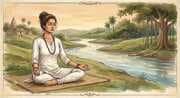
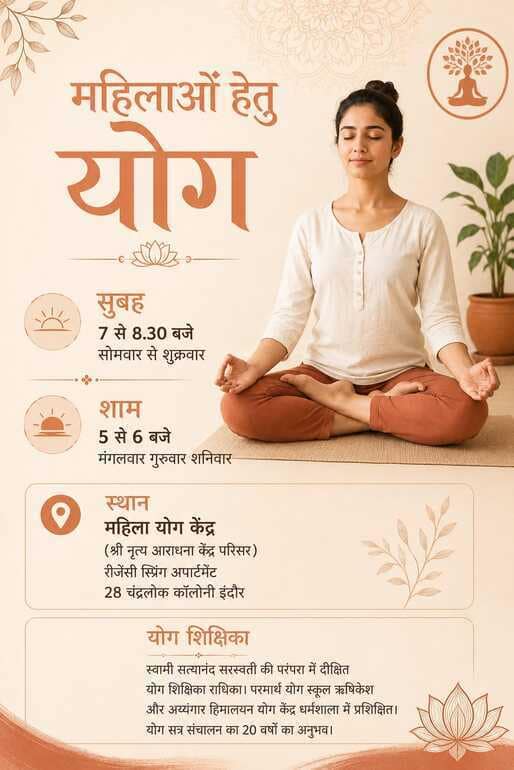
My better half has been teaching yoga for over two decades—not because it is a profession, but because it is her calling. She sincerely believes that if yoga has enriched her life, it should quietly enrich the lives of other women too.

Recently, she opened a small yoga studio. The fee is modest, not because yoga has a price tag, but because smaller groups allow her to know every student, notice every posture, and care for every journey.

She has almost no publicity plan. She has unwavering faith in the oldest social media platform ever invented—one happy human telling another.

As a reasonably obedient husband, I have taken it upon myself to become her unofficial ambassador. Morning and evening walks in the park now have an added purpose. Besides discussing the weather, grandchildren, blood pressure, neighbourhood gossip and the price of tomatoes, I gently mention the yoga classes.

The conversations are invariably delightful.

“Oh, I would have loved to join… but the timings don’t suit.”

Or, with equal sincerity, “Yoga should really be free.”

That always makes me smile.

We willingly pay for dinners that disappear in an hour, subscriptions we hardly use, and countless little indulgences that bring fleeting pleasure. Yet when it comes to investing a little time and a modest sum in the body that serves us every single day, we suddenly become philosophers.

Perhaps yoga is expected to arrive like fresh air—priceless, effortless and waiting at our doorstep.

The gentle irony is that yoga has never demanded much. It asks only for a little space, a little time, a willing mind and a patient heart. The rest it quietly returns—with interest.

Time spent on yoga today has a curious habit of reducing the time spent in waiting rooms tomorrow.

And perhaps that is the real fee.

Everything else is merely the receipt. 🌱

♥ ♥ ♥ ♥

© Jagat Singh Bisht

Master Teacher: Happiness & Well-Being, Laughter Yoga Master Trainer, Author, Blogger, Educator, and Speaker

FounderLifeSkills

A Pathway to Authentic Happiness, Well-Being & A Fulfilling Life! We teach skills to lead a healthy, happy and meaningful life.

The Science of Happiness (Positive Psychology), Meditation, Yoga, Spirituality and Laughter Yoga. We conduct talks, seminars, workshops, retreats and training.

≈ Editor – Shri Hemant Bawankar/Editor (English) – Captain Pravin Raghuvanshi, NM
Please share your Post !

Shares

English Literature – योग-साधना/Yoga ☆ Yoga: The Inner Science of Life ☆ Radhika Bisht ☆

(Radhika Bisht is a yoga teacher in the tradition of Swami Satyananda Saraswati. Trained at the Parmarth School of Yoga, Rishikesh and Himalayan Iyengar Yoga Centre, Dharamshala. She has an experience of 20 years in conducting yoga sessions.)

🌌 Yoga: The Inner Science of Life 🌌 Radhika Bisht 🌌

☆ From Vedic Wisdom to Patanjali’s Path of Self-Realisation ☆

Yoga is often reduced to postures and breathing techniques in popular understanding, but its true scope is far wider, deeper and infinitely more transformative. It is not merely an exercise system; it is a philosophy of life, a science of consciousness, and a timeless path leading human beings from restlessness to stillness, from fragmentation to wholeness.

To understand yoga is to enter a vast stream of wisdom flowing through the Vedas, the Upanishads, the philosophical systems of India, and the teachings of realised sages.

Let us journey through some of its essential foundations.

What Does Yoga Truly Mean?

Yoga is one of those rare words whose meaning expands the more deeply one lives it. To me, yoga is not simply a practice; it is a way of life.

It can be understood in many ways:

– Yoga is the path of selfless action (Karma Yoga), where work becomes worship.

– Yoga is the path of devotion (Bhakti Yoga), where love becomes the bridge to the Divine.

– Yoga is the path of knowledge (Jnana Yoga), where enquiry burns ignorance.

– Yoga is the science of right living, harmonising body, mind and spirit.

– Yoga is the art of self-mastery—controlling the body, senses, mind and intellect.

– Yoga is union: the coming together of the individual self with the universal Self.

The classical definition given by Patanjali remains one of the most profound:

“Yogascittavrttinirodhah”

Yoga is the cessation of the fluctuations of the mind.

This simple yet powerful sutra reminds us that the mind, when stilled, becomes a mirror reflecting truth.


The Vedic Roots of Yogic Wisdom

The roots of yoga lie deep in the sacred Vedic tradition. The four Vedas form the foundation of Indian spiritual knowledge:

– Rig Veda

– Sama Veda

– Yajur Veda

– Atharva Veda

Vedic knowledge is further divided into four sections:

Samhitas — collections of hymns

Brahmanas — ritualistic explanations

Aranyakas — contemplative forest teachings

Upanishads — philosophical revelations

The Upanishads, in particular, are the soul of Indian spirituality. They take us beyond ritual into direct enquiry: Who am I? What is the nature of reality?

Aum and the Three States of Consciousness

Among all sacred sounds, Aum (Om) is considered the primordial vibration of existence. It contains within itself the entire spectrum of consciousness.

Its three matras—A, U, and M—symbolise:

– Jagrata (waking state)

– Svapna (dream state)

– Sushupti (deep sleep state)

Beyond these three lies the silent fourth—Turiya, the transcendental state—pure awareness beyond all mental activity.

Thus, Aum is not merely a sound; it is a map of consciousness.

The Mahavakyas: Great Truths of the Upanishads

The Upanishads distil their highest wisdom into four great declarations known as the Mahavakyas:

– Prajnanam Brahma — Consciousness is Brahman

– Ayam Atma Brahma — This Self is Brahman

– Aham Brahmasmi — I am Brahman

– Tat Tvam Asi — Thou art That

These are not intellectual statements but invitations to awaken to one’s true nature.


The Six Classical Philosophical Systems

Indian philosophy developed through six major orthodox systems (Shad Darshanas):

– Nyaya — Nyaya Sutra by Gautama

– Vaisheshika — Vaisheshika Sutra by Kanada

– Samkhya — founded by Kapila; systematised in Samkhya Karika by Ishvarakrishna

– Yoga — Yoga Sutras by Patanjali

– Purva Mimamsa — Mimamsa Sutras by Jaimini

– Vedanta — Brahma Sutras by Badarayana

Together, they offer a complete framework for understanding reality.

Alongside these arose non-Vedic systems like Buddhism, Jainism and Charvaka, each contributing its own vision of truth.

Samkhya: Understanding Creation

Samkhya philosophy forms the metaphysical backbone of yoga. It begins with three fundamental principles:

– Purusha — pure consciousness

– Prakriti — primordial nature

– Buddhi (Mahat) — cosmic intelligence

The entire manifest universe evolves from the interplay of Purusha and Prakriti. Yoga helps us disentangle consciousness from matter and return to our essential freedom.

The Five Koshas: Layers of Human Existence

The human being is not merely a physical body. According to Vedanta, we exist through five sheaths (Koshas):

– Annamaya Kosha — the physical body

– Pranamaya Kosha — the energy body

– Manomaya Kosha — the mental body

– Vijnanamaya Kosha — the wisdom body

– Anandamaya Kosha — the bliss body

Yoga gradually purifies these layers, leading us inward from gross to subtle.


The Vedantic Path of Sadhana

Vedanta emphasises Jnana Yoga, the path of wisdom. This unfolds in three stages:

Shravana — listening to the truth

Manana — reflecting upon it

Nididhyasana — deep meditation on it

This progression transforms borrowed knowledge into lived realisation.

Hatha Yoga: Preparing the Body for Higher Consciousness

Before the mind can become still, the body and prana must be balanced. This is the domain of Hatha Yoga.

Its three foundational texts are:

– Hatha Yoga Pradipika by Svatmarama

– Gheranda Samhita

– Shiva Samhita

These texts offer practical methods to purify the body and awaken latent energy.


Vrittis: The Waves of the Mind

In Patanjali’s psychology, vrittis are the modifications of the mind. They are five:

– Pramana (right knowledge)

– Viparyaya (wrong knowledge)

– Vikalpa (imagination)

– Nidra (sleep)

– Smriti (memory)

These vrittis constantly shape our experience of reality. Yoga seeks not to suppress them violently, but to understand and transcend them.

Chitta Bhoomi: The Five Mental States

The mind moves through five stages:

– Kshipta — restless

– Mudha — dull

– Vikshipta — distracted

– Ekagra — one-pointed

– Nirodha — fully restrained

Most human suffering belongs to the first three states. Yoga leads us toward Ekagra and ultimately Nirodha, where true meditation becomes possible.

The Eightfold Path of Patanjali

The practical roadmap of yoga is the Ashtanga Yoga:

  1. Yama (ethical restraints)
  2. Niyama (personal observances)
  3. Asana (posture)
  4. Pranayama (breath regulation)
  5. Pratyahara (withdrawal of senses)
  6. Dharana (concentration)
  7. Dhyana (meditation)
  8. Samadhi (absorption)

This is not merely a sequence of practices but a progressive refinement of human consciousness.

The Two Dimensions of Samadhi

The culmination of yoga is Samadhi, the state of complete absorption.

There are two broad types:

Savikalpa Samadhi — where awareness of the object of meditation remains. There is still a subtle duality.

Nirvikalpa Samadhi — where all distinctions disappear. There is no observer and no observed; only pure, indivisible awareness remains.

This is the summit of yogic experience—the homecoming of consciousness to itself.

Yoga: A Journey Inward

At its heart, yoga is a return—a return to silence, to clarity, to our original nature. The ancient sages did not create yoga as a system of escape from life, but as a way to live it more deeply, consciously and truthfully.

In a world of constant distraction, yoga remains a timeless invitation: to know oneself, to master the mind, and to discover the still centre within.

For when the mind becomes quiet, the soul begins to speak.

♥ ♥ ♥ ♥

© Radhika Bisht

Yoga Teacher

≈ Editor – Shri Hemant Bawankar/Editor (English) – Captain Pravin Raghuvanshi, NM

Please share your Post !

Shares

हिंदी साहित्य – योग-साधना/Yoga ☆ बालिकाओं के लिए योग ☆ सुश्री राधिका  बिष्ट ☆

सुश्री राधिका  बिष्ट

(स्वामी सत्यानंद सरस्वती की परंपरा में दीक्षित योग शिक्षिका। परमार्थ योग स्कूल ऋषिकेश और अय्यंगार हिमालयन योग केंद्र धर्मशाला में प्रशिक्षित। योग सत्र संचालन का 20 वर्षों का अनुभव।)

☆ बालिकाओं के लिए योग ☆ सुश्री राधिका  बिष्ट ☆

बालिकाओं के लिए योग क्यों आवश्यक है? इससे उन्हें क्या लाभ मिलते हैं?

बालिकाओं के लिए योग बहुत लाभदायक है। यह शरीर को लचीला, मजबूत और सहनशील बनाता है। इससे ‘स्टैमिना’ और ‘बैलेंस’ में सुधार होता है जो कि शास्त्रीय नृत्य जैसी विधाओं के लिए सहायक हैं। योग से ‘फोकस’ और एकाग्रता बढ़ती है जिससे पढ़ाई में अधिक मन लगता है।

बालिकाओं की ‘हार्मोनल ग्रोथ’ को यह सुगम बनाता है क्योंकि योग से ग्रंथियां क्रियाशील होती हैं। इससे उनके मानसिक और ‘इमोशनल’ स्वास्थ्य पर सकारात्मक प्रभाव पड़ता है।

योग से धमनियों में ऊर्जा का संचार होता है। अंतर्मन शुद्ध, शांत और आनंदमय होता है। जो बालिकाएं नियमित योग करती हैं, उन्हें तनाव और ‘डिप्रैशन’ होने की संभावना नगण्य हो जाती है।

बालिकाओं के सर्वांगीण विकास में योग अत्यंत सहायक है। तन-मन के संतुलन से आत्मविश्वास और आत्मिक बल बढ़ता है। इससे विषम परिस्थितियों से जूझने की क्षमता विकसित होती है।

योग से आत्म-संयम और आत्म-अनुशासन गहरा होता है। इससे सजगता या ‘माइंडफुलनेस’ का उदय होता है जो कि बालिकाओं के संपूर्ण और समग्र भविष्य की आधारशिला तैयार करते हैं।

© सुश्री राधिका बिष्ट

योग शिक्षिका

≈संस्थापक संपादक – श्री हेमन्त बावनकर/सम्पादक (हिन्दी) – श्री विवेक रंजन श्रीवास्तव ‘विनम्र’≈

Please share your Post !

Shares

English Literature – Articles ☆ Meditate Like The Buddha # 22: Consolidating Meditation ☆ Mr. Jagat Singh Bisht ☆

Shri Jagat Singh Bisht

(Master Teacher: Happiness & Well-Being, Laughter Yoga Master Trainer, Author, Blogger, Educator, and Speaker.)

☆ Meditate Like The Buddha # 22: Consolidating Meditation ☆

A Lifetime’s Practice

You have successfully completed a structured journey for beginning, establishing, strengthening, and consolidating your meditative practice. This guide has provided a step-by-step approach, ensuring clarity and depth at every stage.

Meditation is not merely something to be learned and set aside—it is a lifetime’s practice. The instructions in this series have been compiled based on years of self-practice and experience in guiding individuals and groups. If followed diligently, they will provide a strong foundation for lifelong mindfulness and inner peace.

How to Progress Through the Series

This series has been carefully designed with small, structured steps to help you build your meditative practice progressively. To ensure maximum benefit, follow these guidelines:

  1. Step-by-Step Mastery
  • Begin with The First Step, focusing on a stable and comfortable sitting posture.
  • Spend 10 to 15 minutes daily in this posture until you feel completely at ease.
  • Some may take a few days, others longer—there is no rush.
  1. Watching the Breath
  • Move to the next step, Watch Your Breath, only when fully confident in your posture.
  • Simply observe your breath:
    • Ever mindful, breathe in. Mindful, breathe out.
  • This is the most fundamental step—take your time with it. Only when fully comfortable should you proceed further.
  1. Advancing Through the Stages
  • Follow the lessons in sequence, ensuring each step is well-practised before moving ahead.
  • Some steps may need to be repeated for several days—this is normal.
  • Do not rush; progress only when you feel ready and confident.
  1. Cumulative Practice
  • As you move forward, always begin with the first steps before introducing new ones.
  • Over time, earlier steps will require less attention, allowing more focus on new techniques.
  1. Developing a Daily Routine
  • Start with 10 to 15 minutes of practice and gradually increase the duration.
  • Aim for at least an hour of daily meditation once all steps have been completed.
  • Meditation is not a one-time learning experience but an ongoing journey of self-discovery.

Deepening Your Practice

  • Once you reach A Summary of the Steps, consider revisiting earlier lessons for further refinement.
  • Repeating the series slowly and steadily will deepen your understanding and experience.
  • Over time, what may have seemed monotonous at first will transform into a joyful and enriching experience.

Meditation, when practiced regularly, becomes an integral part of life—bringing peace, clarity, and happiness.

Go ahead and enjoy your voyage into the realm of calm!

♥ ♥ ♥ ♥

Please click on the following links to read previously published posts “Meditate Like The Buddha: A Step-By-Step Guide” 👉

English Literature – Articles ☆ Meditate Like The Buddha # 8: Midway Recap ☆ Mr. Jagat Singh Bisht ☆

English Literature – Articles ☆ Meditate Like The Buddha # 9: Experience Your Mind ☆ Mr. Jagat Singh Bisht ☆

English Literature – Articles ☆ Meditate Like The Buddha # 10: Liberate the Mind ☆ Mr. Jagat Singh Bisht ☆

English Literature – Articles ☆ Meditate Like The Buddha # 12: The End of suffering ☆ Mr. Jagat Singh Bisht ☆

English Literature – Articles ☆ Meditate Like The Buddha # 13: A Summary of the Steps ☆ Mr. Jagat Singh Bisht ☆

English Literature – Articles ☆ Meditate Like The Buddha # 14: A Lifetime’s Work ☆ Mr. Jagat Singh Bisht ☆

English Literature – Articles ☆ Meditate Like The Buddha # 18: THE FOUR NOBLE TRUTHS ☆ Mr. Jagat Singh Bisht ☆

English Literature – Articles ☆ Meditate Like The Buddha # 19: THE NOBLE EIGHTFOLD PATH ☆ Mr. Jagat Singh Bisht ☆

English Literature – Articles ☆ Meditate Like The Buddha # 20: The Four Jhanas ☆ Mr. Jagat Singh Bisht ☆

English Literature – Articles ☆ Meditate Like The Buddha # 21: Pearls of Wisdom ☆ Mr. Jagat Singh Bisht ☆

© Jagat Singh Bisht

Laughter Yoga Master Trainer

FounderLifeSkills

A Pathway to Authentic Happiness, Well-Being & A Fulfilling Life! We teach skills to lead a healthy, happy and meaningful life.

The Science of Happiness (Positive Psychology), Meditation, Yoga, Spirituality and Laughter Yoga. We conduct talks, seminars, workshops, retreats and training.

≈ Editor – Shri Hemant Bawankar/Editor (English) – Captain Pravin Raghuvanshi, NM
Please share your Post !

Shares

English Literature – Articles ☆ Meditate Like The Buddha # 21: Pearls of Wisdom ☆ Mr. Jagat Singh Bisht ☆

Shri Jagat Singh Bisht

(Master Teacher: Happiness & Well-Being, Laughter Yoga Master Trainer, Author, Blogger, Educator, and Speaker.)

☆ Meditate Like The Buddha # 21: Pearls of Wisdom ☆

 As we progress on the path of meditation, we develop valuable insights. We share below some gems shared by experienced meditators:

“Meditation is a practice that makes it possible to cultivate and develop certain basic positive human qualities in the same way as other forms of training make it possible to play a musical instrument or acquire any other skill.”

-Matthieu Ricard

“Meditation has the effect of creating biological calm and reducing stress. Research shows that long-term meditators have a lessened cortisol response (a key stress hormone) under stress.”

-Daniel Goleman

“Breath is the bridge which connects life to consciousness, which unites your body to your thoughts. Whenever your mind becomes scattered, use your breath as the means to take hold of your mind again.”

“Mindfulness is a kind of energy that helps us to be fully present in the here and the now, aware of what is going on in our body, in our feelings, mind, and in the world, so that we can get in touch with the wonders of life that nourish and heal us.”

“With mindfulness, concentration, and insight, you can generate a feeling of joy and happiness, whenever you want. With the energy of mindfulness, you can also handle a painful feeling or emotion.”

“Your breath should be light, even, and flowing, like a thin stream of water running through the sand. Your breath should be quiet, so quiet that a person sitting next to you cannot hear it. Your breathing should flow gracefully, like a river, like a water snake crossing the water, and not like a chain of rugged mountains or the gallop of a horse.”

“If each one can meditate an hour each day that is good, but it’s nowhere near enough. You have got to practice meditation when you walk, stand, lie down, sit, and work, while washing your hands, washing the dishes, sweeping the floor, drinking tea, talking to friends, or whatever you are doing.”

“When you are washing the dishes, washing the dishes must be the most important thing in your life. Just as when you are drinking tea, drinking tea must be the most important thing in your life. When you’re using the toilet, let that be the most important thing in your life.”

“Chopping wood is meditation. Carrying water is meditation. Be mindful 24 hours a day, not just during the one hour you may allot for formal meditation or reading scripture or reciting prayers.”

“Each act must be carried out in mindfulness. Each act is a rite, a ceremony. Raising your cup of tea to your mouth is a rite, a ceremony. Do it mindfully.”

“Do not drink your tea like someone who gulps down a cup of coffee during a work break. Drink your tea slowly and reverently, as if it is the axis on which the whole earth revolves – slowly, evenly, without rushing toward the future.”

“Live the actual moment. Only this actual moment is life.”

-Thich Nhat Hanh

“Beyond the pleasant states meditation can produce, the real payoffs are the lasting traits that can result.”

Daniel Goleman & Richard J Davidson

 “By the practice of meditation, you will find that you are carrying within your heart a portable paradise.”

–Paramahansa Yogananda

“All walking can be walking meditation. You can focus on your footsteps, on bodily awareness, or on breathing itself, anything that brings you into the present.”

“I love to walk for exercise, and I find my walks around the city to be wonderful occasions for mindfulness practice.”

-Larry Rosenberg

“The fruition of meditation could be described as an optimal way of being, or again, as genuine happiness. This true and lasting happiness is a profound sense of having realized to the utmost the potential we have within us for wisdom and accomplishment. Working towards this kind of fulfilment is an adventure worth embarking upon.”

“If we consider that the possible benefit of meditation is to have a new experience of the world each moment in our lives, then it does not seem excessive to spend at least twenty minutes a day getting to know our mind better and training it towards this kind of purpose.”

“Mindfulness is a kind of energy that helps us to be fully present in the here and the now, aware of what is going on in our body, in our feelings, mind, and in the world, so that we can get in touch with the wonders of life that nourish and heal us.”

“Experienced meditators have demonstrated qualities of focused attention that are not found among beginners. For example, they are able to maintain more or less perfect concentration on a particular task for forty-five minutes, whereas most people cannot go beyond five or ten minutes before they begin making an increasing number of mistakes.”

“Meditation reduces anxiety, the tendency towards anger and the risk of relapse for people who have previously undergone depression.”

“Eight weeks of meditation for thirty minutes a day significantly strengthens the immune system, reinforces positive emotions, and reduces arterial pressure in those suffering from high blood pressure.”

-Matthieu Ricard

“First, let the mind follow the movement of the breath, in and out, until it becomes calm and tranquil. Then increasingly rest the mind on the breath until one’s whole being seems to be identified with it.”

“When performing the meditation practice, one should develop the feeling of opening oneself completely to the whole universe with absolute simplicity and nakedness of mind, ridding oneself of all protecting barriers.”

“Meditation is always perfect, so there is no need to correct anything. Since everything that arises is simply the play of the mind, there are no “bad” meditation sessions and no need to judge thoughts as good or evil.”

“Simply plunge straight into meditation at this very moment with your whole mind, and be free from hesitation, boredom, or excitement.”

“When meditating it is traditional and best, if possible, to sit cross-legged with the back erect but not rigid. However, it is most important to feel comfortable, so it is better to sit in a chair if sitting cross-legged is painful.”

-Dilgo Khyentse Rinpoche

“Sit comfortably. Keep your back straight. Follow your breath. Let go of everything. If you can, maintain a half-smile. As the half smile appears, all the facial muscles begin to relax. The longer the half smile is maintained, the better. It is the same smile you see on the face of the Buddha.”

“Half-smile when you first wake up in the morning. Use these first seconds before you get out of bed to take hold of your breath. Inhale and exhale three breaths gently while maintaining the half smile. Follow your breaths.”

“Half-smile during your free moments – anywhere you find yourself sitting or standing. Look at a child, a leaf, a painting on the wall, anything which is relatively still, and smile. Inhale and exhale quietly three times. Maintain the half smile and consider the spot of your attention as your true nature.”

“Half-smile while listening to music. Pay attention to the words, music, rhythm, and sentiments. Smile while watching your inhalations and exhalations.”

“When you realize you’re irritated, half-smile at once. Inhale and exhale quietly, maintain the half smile for three breaths.”

“Those who are without compassion cannot see what is seen with the eyes of compassion.”

-Thich Nhat Hanh

♥ ♥ ♥ ♥

Please click on the following links to read previously published posts “Meditate Like The Buddha: A Step-By-Step Guide” 👉

English Literature – Articles ☆ Meditate Like The Buddha # 8: Midway Recap ☆ Mr. Jagat Singh Bisht ☆

English Literature – Articles ☆ Meditate Like The Buddha # 9: Experience Your Mind ☆ Mr. Jagat Singh Bisht ☆

English Literature – Articles ☆ Meditate Like The Buddha # 10: Liberate the Mind ☆ Mr. Jagat Singh Bisht ☆

English Literature – Articles ☆ Meditate Like The Buddha # 12: The End of suffering ☆ Mr. Jagat Singh Bisht ☆

English Literature – Articles ☆ Meditate Like The Buddha # 13: A Summary of the Steps ☆ Mr. Jagat Singh Bisht ☆

English Literature – Articles ☆ Meditate Like The Buddha # 14: A Lifetime’s Work ☆ Mr. Jagat Singh Bisht ☆

English Literature – Articles ☆ Meditate Like The Buddha # 18: THE FOUR NOBLE TRUTHS ☆ Mr. Jagat Singh Bisht ☆

English Literature – Articles ☆ Meditate Like The Buddha # 19: THE NOBLE EIGHTFOLD PATH ☆ Mr. Jagat Singh Bisht ☆

English Literature – Articles ☆ Meditate Like The Buddha # 20: The Four Jhanas ☆ Mr. Jagat Singh Bisht ☆

© Jagat Singh Bisht

Laughter Yoga Master Trainer

FounderLifeSkills

A Pathway to Authentic Happiness, Well-Being & A Fulfilling Life! We teach skills to lead a healthy, happy and meaningful life.

The Science of Happiness (Positive Psychology), Meditation, Yoga, Spirituality and Laughter Yoga. We conduct talks, seminars, workshops, retreats and training.

≈ Editor – Shri Hemant Bawankar/Editor (English) – Captain Pravin Raghuvanshi, NM

Please share your Post !

Shares

English Literature – Articles ☆ Meditate Like The Buddha # 20: The Four Jhanas ☆ Mr. Jagat Singh Bisht ☆

Shri Jagat Singh Bisht

(Master Teacher: Happiness & Well-Being, Laughter Yoga Master Trainer, Author, Blogger, Educator, and Speaker.)

☆ Meditate Like The Buddha # 20: The Four Jhanas ☆

“Quite secluded from sense desires, secluded from unwholesome states of mind, one enters upon and dwells in the first jhana, which is accompanied by applied thought and sustained thought with happiness and bliss born of seclusion.”

The Role of Jhanas in Meditation

The Buddha attained enlightenment meditating beneath the Bodhi tree. He expounded two interrelated systems of meditation:

  • Serenity meditation (Samatha Bhavana): Develops a calm, concentrated, and unified mind.
  • Insight meditation (Vipassana Bhavana): Leads to a direct understanding of the true nature of phenomena.

A set of meditative attainments known as jhanas plays a crucial role in both systems. These heightened mental states provide a pleasant abiding in the present moment and deepen meditative absorption.

To attain the jhanas, a meditator must eliminate the five hindrances:

  • Sensual desire
  • Ill will
  • Sloth and torpor
  • Restlessness and worry
  • Doubt

The mind’s absorption in its object arises through five opposing jhana factors:

  • Applied thought
  • Sustained thought
  • Rapture
  • Happiness
  • One-pointedness

The Four Jhanas

  1. The First Jhana

“Quite secluded from sense desires, secluded from unwholesome states of mind, one enters upon and dwells in the first jhana, which is accompanied by applied thought and sustained thought with happiness and bliss born of seclusion.”

  • The initial stage of meditative absorption.
  • Marked by applied and sustained thought, leading to happiness and bliss.
  1. The Second Jhana

“With the stilling of applied and sustained thought, one enters upon and dwells in the second jhana, which has internal confidence and singleness of mind without applied thought, without sustained thought, with happiness and bliss born of concentration.”

  • A deeper state where thought subsides.
  • Inner confidence arises, and bliss is sustained by concentration.
  1. The Third Jhana

“With the fading away of happiness as well, one dwells in equanimity, and mindful and fully aware, feels bliss with the body; he enters upon and dwells in the third jhana.”

  • Happiness transitions into equanimity and deep mindfulness.
  • Bliss is experienced physically with heightened awareness.
  1. The Fourth Jhana

“With the abandoning of pleasure and pain and with the previous disappearance of joy and grief, he enters upon and dwells in the fourth jhana, which has neither-pain-nor-pleasure and has purity of mindfulness due to equanimity.”

  • A state of profound balance where pleasure and pain, joy and grief fade away.
  • Equanimity and purity of mindfulness become fully established.

Conclusion

The jhanas offer a structured path toward deeper concentration and inner peace. Progressing through these states refines the mind, leading to wisdom and ultimately, liberation from suffering.

♥ ♥ ♥ ♥

Please click on the following links to read previously published posts “Meditate Like The Buddha: A Step-By-Step Guide” 👉

English Literature – Articles ☆ Meditate Like The Buddha # 8: Midway Recap ☆ Mr. Jagat Singh Bisht ☆

English Literature – Articles ☆ Meditate Like The Buddha # 9: Experience Your Mind ☆ Mr. Jagat Singh Bisht ☆

English Literature – Articles ☆ Meditate Like The Buddha # 10: Liberate the Mind ☆ Mr. Jagat Singh Bisht ☆

English Literature – Articles ☆ Meditate Like The Buddha # 12: The End of suffering ☆ Mr. Jagat Singh Bisht ☆

English Literature – Articles ☆ Meditate Like The Buddha # 13: A Summary of the Steps ☆ Mr. Jagat Singh Bisht ☆

English Literature – Articles ☆ Meditate Like The Buddha # 14: A Lifetime’s Work ☆ Mr. Jagat Singh Bisht ☆

English Literature – Articles ☆ Meditate Like The Buddha # 18: THE FOUR NOBLE TRUTHS ☆ Mr. Jagat Singh Bisht ☆

English Literature – Articles ☆ Meditate Like The Buddha # 19: THE NOBLE EIGHTFOLD PATH ☆ Mr. Jagat Singh Bisht ☆

© Jagat Singh Bisht

Laughter Yoga Master Trainer

FounderLifeSkills

A Pathway to Authentic Happiness, Well-Being & A Fulfilling Life! We teach skills to lead a healthy, happy and meaningful life.

The Science of Happiness (Positive Psychology), Meditation, Yoga, Spirituality and Laughter Yoga. We conduct talks, seminars, workshops, retreats and training.

≈ Editor – Shri Hemant Bawankar/Editor (English) – Captain Pravin Raghuvanshi, NM≈

Please share your Post !

Shares

English Literature – Articles ☆ Meditate Like The Buddha # 18: THE FOUR NOBLE TRUTHS ☆ Mr. Jagat Singh Bisht ☆

Shri Jagat Singh Bisht

(Master Teacher: Happiness & Well-Being, Laughter Yoga Master Trainer, Author, Blogger, Educator, and Speaker.)

☆ Meditate Like The Buddha # 18: THE FOUR NOBLE TRUTHS ☆

 “Birth is suffering, aging is suffering, sickness is suffering, death is suffering. Sorrow, lamentation, pain, grief, and despair are suffering. Association with the loathed is suffering, dissociation from the loved is suffering, not getting what one wants is suffering; in brief, the five aggregates subject to clinging are suffering.”

Understanding the Four Noble Truths

The Four Noble Truths constitute the fundamental doctrine of the Buddha’s teachings:

  1. The Noble Truth of Suffering (Dukkha):
    • Suffering exists in various forms: birth, aging, sickness, and death.
    • Sorrow, lamentation, pain, grief, and despair also constitute suffering.
    • The five aggregates subject to clinging are ultimately a source of suffering.
  2. The Noble Truth of the Origin of Suffering (Samudaya):
    • The root of suffering is craving (tanha) for sensual pleasures, existence, and extermination.
    • This craving leads to renewed existence, attachment, and the cycle of suffering.
  3. The Noble Truth of the Cessation of Suffering (Nirodha):
    • The cessation of suffering is achieved by relinquishing and abandoning craving.
    • It is the complete fading away and cessation of desire, leading to non-attachment and liberation.
  4. The Noble Truth of the Path Leading to the Cessation of Suffering (Magga):
    • The path to liberation is the Noble Eightfold Path:
      • Right View
      • Right Intention
      • Right Speech
      • Right Action
      • Right Livelihood
      • Right Effort
      • Right Mindfulness
      • Right Concentration

The Five Aggregates Subject to Clinging

The First Noble Truth identifies the five aggregates as fundamental to suffering:

  • Form (Rupa) – The physical body and material aspects.
  • Feeling (Vedana) – Sensations of pleasure, pain, or neutrality.
  • Perception (Sanna) – Recognition and mental labeling of experiences.
  • Mental Formations (Sankhara) – Volitional activities, thoughts, and habits.
  • Consciousness (Vinnana) – Awareness of sensory and mental experiences.

These aggregates are impermanent, non-self, and subject to change. Understanding this leads to dispassion and liberation from attachment.

Cultivating Insight

To fully comprehend the Four Noble Truths:

  • The truth of suffering must be fully understood.
  • The origin of suffering must be abandoned.
  • The cessation of suffering must be realized.
  • The path leading to the cessation of suffering must be developed.

By walking the Noble Eightfold Path, one progresses toward the cessation of suffering, ultimately attaining Nibbana—the highest liberation.

♥ ♥ ♥ ♥

Please click on the following links to read previously published posts “Meditate Like The Buddha: A Step-By-Step Guide” 👉

English Literature – Articles ☆ Meditate Like The Buddha # 8: Midway Recap ☆ Mr. Jagat Singh Bisht ☆

English Literature – Articles ☆ Meditate Like The Buddha # 9: Experience Your Mind ☆ Mr. Jagat Singh Bisht ☆

English Literature – Articles ☆ Meditate Like The Buddha # 10: Liberate the Mind ☆ Mr. Jagat Singh Bisht ☆

English Literature – Articles ☆ Meditate Like The Buddha # 12: The End of suffering ☆ Mr. Jagat Singh Bisht ☆

English Literature – Articles ☆ Meditate Like The Buddha # 13: A Summary of the Steps ☆ Mr. Jagat Singh Bisht ☆

English Literature – Articles ☆ Meditate Like The Buddha # 14: A Lifetime’s Work ☆ Mr. Jagat Singh Bisht ☆

English Literature – Articles ☆ Meditate Like The Buddha # 17: The Middle Way ☆ Mr. Jagat Singh Bisht ☆

© Jagat Singh Bisht

Laughter Yoga Master Trainer

FounderLifeSkills

A Pathway to Authentic Happiness, Well-Being & A Fulfilling Life! We teach skills to lead a healthy, happy and meaningful life.

The Science of Happiness (Positive Psychology), Meditation, Yoga, Spirituality and Laughter Yoga. We conduct talks, seminars, workshops, retreats and training.

≈ Editor – Shri Hemant Bawankar/Editor (English) – Captain Pravin Raghuvanshi, NM
Please share your Post !

Shares