English Literature – Articles ☆ Meditate Like The Buddha # 6: Experience Your Feelings ☆ Mr. Jagat Singh Bisht ☆

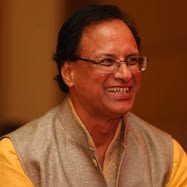
Shri Jagat Singh Bisht

(Master Teacher: Happiness & Well-Being, Laughter Yoga Master Trainer, Author, Blogger, Educator, and Speaker.)

Meditate Like The Buddha # 6: Experience Your Feelings ☆ Mr. Jagat Singh Bisht ☆

Lesson 5

Through regular practice, you have learned to settle into a comfortable meditative posture and observe your breath within minutes. You can now experience and relax your entire body as you breathe in and out with ease.

Progress through these steps steadily. As your practice deepens, you will find that the initial steps take less time, allowing you to focus more on the new techniques you integrate. Remember, when learning a new step, dedicate extra time to fully understand and incorporate it into your practice.

Observing Your Feelings

Be mindful of your feelings as you breathe in and out.

  • Breathe in, experiencing your feelings. Breathe out, experiencing your feelings.
  • Ever mindful, breathe in. Mindful, breathe out.

The feelings you experience may be pleasant, unpleasant, or neutral. Each meditation session will bring different emotions. Accept this variability without judgment.

  • Observe your feelings as a spectator.
  • Avoid becoming involved or analysing them.
  • Simply experience the feelings as they arise and pass.

Non-Reaction to Feelings

As you breathe, experience your feelings without reacting to them. Understand that feelings are transient; they come and go. When your body relaxes and your mind stills, the intensity of your feelings often subsides naturally.

  • Breathe in, experiencing your feelings. Breathe out, experiencing your feelings.

Discovering Inner Joy

When the body is fully relaxed and the mind is quiet, a pleasant feeling of joy may arise from within. This marks the beginning of a blissful experience.

  • Breathe in, experiencing rapture. Breathe out, experiencing rapture.
  • Breathe in, experiencing pleasure. Breathe out, experiencing pleasure.

Rapture and pleasure emerge after achieving deep concentration through close observation of your breath. Relaxation and mindfulness pave the way for these uplifting emotions.

If you find it difficult to experience rapture or pleasure, gently recall a recent moment of shared happiness or joy. Relive that feeling as you breathe in and out, allowing it to infuse your meditation.

  • Experience bliss as you breathe in and as you breathe out.

Embracing Bliss

  • Always mindful, breathe in. Mindful, breathe out.
  • Relax and let go of stiffness.
  • Feel happiness and enjoy your meditation.

Closing the Practice

Conclude your session by cultivating loving kindness and compassion for all beings:

  • May all be happy, be peaceful, be free.

Gently open your eyes and emerge from meditation, carrying the warmth of your practice into your daily life.

© Jagat Singh Bisht

(Master Teacher: Happiness & Well-Being, Laughter Yoga Master Trainer, Author, Blogger, Educator, and Speaker.)

Founder:  LifeSkills

A Pathway to Authentic Happiness, Well-Being & A Fulfilling Life! We teach skills to lead a healthy, happy and meaningful life.

The Science of Happiness (Positive Psychology), Meditation, Yoga, Spirituality and Laughter Yoga. We conduct talks, seminars, workshops, retreats and training.

≈ Editor – Shri Hemant Bawankar/Editor (English) – Captain Pravin Raghuvanshi, NM ≈

Please share your Post !

Shares

English Literature – Articles ☆ Meditate Like The Buddha #5: Cultivate Loving kindness ☆ Mr. Jagat Singh Bisht ☆

Shri Jagat Singh Bisht

(Master Teacher: Happiness & Well-Being, Laughter Yoga Master Trainer, Author, Blogger, Educator, and Speaker.)

Meditate Like The Buddha #5: Cultivate Loving Kindness ☆ Mr. Jagat Singh Bisht ☆

Lesson 4

Cultivate Loving Kindness

You have learned and practised sitting in a stable posture for meditation, watching your breath, and experiencing and relaxing your body as you breathe in and out. Once your body is relaxed and your mind calm, the next step is to devote time to cultivating feelings of loving kindness and compassion for all living beings.

Towards the end of your meditation, set aside five to ten minutes to wish happiness and peace for everyone. Make this an integral part of your daily practice before rising from meditation.

Understanding Loving Kindness

Loving kindness is the heartfelt desire for the welfare and happiness of all beings. The practice of loving kindness meditation, known as metta bhavana, nurtures feelings of friendliness, goodwill, and non-violence in your heart, while dispelling anger, hatred, and negativity.

With a pure heart, free from ill-will and hatred, recite these wishes:

  • “May all creatures, all living things, all beings one and all, experience good fortune only. May they not fall into harm.”

Cultivate goodwill and friendliness towards all beings, whether big or small, strong or weak—birds, animals, insects, and human beings alike. Pray for the welfare of all:

  • May all be happy, be peaceful, be liberated.
  • Let there be no pain, misery, or suffering in the universe.
  • May all be free from disease.

The Transformative Power of Loving Kindness

As you develop feelings of love, kindness, altruism, and compassion, negative emotions like hatred, animosity, and ill-will gradually fade. Your heart fills with warmth and generosity. This practice fosters peace and tranquillity within and creates positive energy around you.

Make loving kindness a regular feature of your meditation routine. When you wish others well, you cultivate serenity in your own mind.

Sending out vibrations of loving kindness and compassion completes and enriches your meditation practice. It’s a simple yet profound act: with a still mind, wish happiness, peace, and the end of suffering for all sentient beings.

The Four Divine Abodes

Loving kindness, compassion, altruistic joy, and equanimity are known as the four divine abodes. These sublime and noble qualities provide a foundation for how we interact with all living beings and offer answers to the challenges we face in life.

  • These are the great removers of tension, the great peacemakers in social conflicts, and the great healers of the wounds borne in life’s struggles.
  • They purify the heart and transform undesirable qualities such as delusion, greed, and negativity into states of positivity and balance.
  • They help heal anger, hatred, loneliness, sorrow, and unhealthy attachments.

Closing the Practice

Conclude your session by wishing:

  • May all be happy, be peaceful, be liberated.

Gently open your eyes and emerge from meditation, carrying forward the feelings of loving kindness and compassion into your daily life.

© Jagat Singh Bisht

(Master Teacher: Happiness & Well-Being, Laughter Yoga Master Trainer, Author, Blogger, Educator, and Speaker.)

Founder:  LifeSkills

A Pathway to Authentic Happiness, Well-Being & A Fulfilling Life! We teach skills to lead a healthy, happy and meaningful life.

The Science of Happiness (Positive Psychology), Meditation, Yoga, Spirituality and Laughter Yoga. We conduct talks, seminars, workshops, retreats and training.

≈ Editor – Shri Hemant Bawankar/Editor (English) – Captain Pravin Raghuvanshi, NM ≈

Please share your Post !

Shares

English Literature – Articles ☆ Meditate Like The Buddha #4: Relax Your Body ☆ Mr. Jagat Singh Bisht ☆

Shri Jagat Singh Bisht

(Master Teacher: Happiness & Well-Being, Laughter Yoga Master Trainer, Author, Blogger, Educator, and Speaker.)

Meditate Like The Buddha #4 : Relax Your Body ☆ Mr. Jagat Singh Bisht ☆

Lesson 3

You have been practising watching your breath for some time now. Throughout the course of meditation, the practice of mindfulness on the incoming and outgoing breath remains essential.

  • Ever mindful, breathe in. Mindful, breathe out.

Building on Previous Steps

Meditation is a systematic practice, learned step by step. These steps are not isolated; each builds upon the foundation laid by the previous ones.

Always begin by sitting with your legs folded crosswise, maintaining a stable posture, and watching your breath. Gradually, we will integrate new layers into this practice.

Becoming Aware of Your Body

As you breathe in and out, bring awareness to your entire body.

  • Breathe in, experiencing the whole body. Breathe out, experiencing the whole body.

Keeping your eyes closed, scan your body inwardly, moving your awareness from the top of your head to the tips of your toes, and back again.

  • As you breathe in, observe the body parts from top to bottom, and then from bottom to top.
  • As you breathe out, repeat the process.

Do not linger or concentrate on any specific part. Simply let your awareness move slowly and steadily. Throughout this process, maintain mindfulness of your breath—both incoming and outgoing.

Relaxing the Body

As your awareness moves through the body:

  • Breathe in, relaxing the whole body. Breathe out, relaxing the whole body.

When transitioning from one body part to another, consciously relax the area. Let go of any tension.

  • Relaxing your body, breathe in. Relaxing your body, breathe out.

Integration

By now, you should be able to observe your entire body inwardly, with your eyes closed, while simultaneously watching your breath. As you breathe in and out, cultivate the ability to relax your body completely.

Practice this exercise for 10 to 15 minutes.

  • Ever mindful, breathe in. Mindful, breathe out.

Exiting the Practice

When you are ready, gently open your eyes and emerge from meditation.

Structuring Your Practice

As you advance in your practice, you may divide your meditation session as follows:

  1. Sitting in a stable position with eyes closed: 5 minutes
  2. Watching your breath: 10 minutes
  3. Becoming aware of your whole body: 5 minutes
  4. Relaxing your whole body: 10 minutes

Total time: 30 minutes

This is a suggested framework for beginners. Feel free to adjust it to suit your comfort and progress. Flexibility is key.

© Jagat Singh Bisht

(Master Teacher: Happiness & Well-Being, Laughter Yoga Master Trainer, Author, Blogger, Educator, and Speaker.)

Founder:  LifeSkills

A Pathway to Authentic Happiness, Well-Being & A Fulfilling Life! We teach skills to lead a healthy, happy and meaningful life.

The Science of Happiness (Positive Psychology), Meditation, Yoga, Spirituality and Laughter Yoga. We conduct talks, seminars, workshops, retreats and training.

≈ Editor – Shri Hemant Bawankar/Editor (English) – Captain Pravin Raghuvanshi, NM ≈

Please share your Post !

Shares

English Literature – Articles ☆ Laughter Therapy for cancer patients: A Journey of Healing and Joy ☆ Mr. Jagat Singh Bisht ☆

Shri Jagat Singh Bisht

(Master Teacher: Happiness & Well-Being, Laughter Yoga Master Trainer, Author, Blogger, Educator, and Speaker.)

☆ Laughter Therapy for cancer patients: A Journey of Healing and Joy ☆ Mr. Jagat Singh Bisht ☆

1st February 2025 was a day of deep fulfilment and profound connection. My wife, Radhika Bisht, and I, Jagat Singh Bisht, both Laughter Yoga Master Trainers, had the privilege of conducting a Laughter Therapy session for cancer patients at the renowned Choithram Hospital & Research Centre auditorium in Indore, Madhya Pradesh, India.

The room was filled with patients and survivors, accompanied by their caregivers, all seeking solace and hope. They looked to their doctors, nutritionists, physiotherapists, and nursing staff for guidance and strength. Yet, behind their silent expectations, we could sense the weight of their struggles.

At the outset, setting the tone for the session was a challenge. The room bore a sombre atmosphere, heavy with uncertainty. However, we knew that where words might falter, laughter could heal.

We introduced them to laughter therapy, explaining its incredible health benefits, particularly for cancer patients. To inspire hope, we shared stories of resilience—Norman Cousins’ revolutionary insights in Anatomy of an Illness, Patch Adams’ Clown Therapy, and Otto Warburg’s groundbreaking research on oxygen supply to human cells. We recounted the remarkable journey of Desmond Nicholas from Melbourne, who battled colon cancer relapse with laughter therapy, having met Dr Madan Kataria, the founder of Laughter Yoga, in Bengaluru and us in Indore in 2011.

What began with hesitation soon transformed into enthusiasm as we guided them through the structured steps of Laughter Yoga—clapping and chanting, deep breathing, childlike playfulness, and laughter exercises. With every passing moment, their smiles grew wider, their laughter more uninhibited.

The response was overwhelming. Witnessing their spirit rise, we immersed them in a wide range of laughter exercises: Greeting Laughter, Milkshake Laughter, Mobile Laughter, Lion Laughter, Bird Laughter, Calcutta Laughter, Age Laughter, Laughter Point, Hearty Laughter, Tak Jhoom Laughter, Argument Laughter, Time to Laugh, Laughter Cream, Silent Laughter, and Gradient Laughter. As laughter filled the hall, so did a palpable sense of release—of burdens momentarily set aside, of suffering lightened by shared joy.

Towards the end, we led them into a soothing laughter meditation and deep humming, culminating in the closing ritual—our laughter yoga prayer for health, happiness, and world peace, extending to all corners of the world.

The energy was contagious. Even those outside the immediate session—the photographers, reporters, volunteers, and technical staff—found themselves drawn in, unable to resist the infectious joy of the moment.

The ultimate litmus test of the session came not just in the laughter but in the standing ovation that followed. Tears welled up in the eyes of many as they expressed their gratitude, their hearts lighter than before. We were overwhelmed by the depth of their response.

A meaningful life is a life of service. When we give beyond ourselves, we create something deeply purposeful. This session reaffirmed that happiness multiplies when shared, and healing becomes possible when approached with love and kindness.

This was our first complete session after the disruptions of Covid-19, conducted at the invitation of Dr Suruchi Singh, Radiation Oncologist, and Dr Rajesh Patidar and Dr Vikas Asati, Doctors of Medicine in Oncology. The session was deeply appreciated by Dr Sunil Chandiwal, Director, and Sumit Nandedkar, CEO, who recognised the significance of laughter in holistic healing.

Anil Kumar Lakhwani, Deputy Director of Health Services, and Mukesh Sharma, Public Relations Officer, pledged to begin their days with at least a couple of laughter exercises—a testament to the impact of the session.

The hall was packed with cancer patients, survivors, caregivers, doctors, physiotherapists, dieticians, nursing staff, and medical students, all united in this joyful experience. We are immensely grateful to the Oncology Department of Choithram Hospital & Research Centre for this invitation. The memory of this day will remain etched in our hearts for a long time.

Giving our best, witnessing the gratitude in their eyes, and feeling the profound fulfilment of service—this is why we do what we do.

As we approach World Cancer Day on 4th February 2025, may we all be reminded that laughter is not just an expression of joy, but a powerful medicine for the soul. 

🌹🌸💐🙏😄 🤣

© Jagat Singh Bisht

(Master Teacher: Happiness & Well-Being, Laughter Yoga Master Trainer, Author, Blogger, Educator, and Speaker.)

Founder:  LifeSkills

A Pathway to Authentic Happiness, Well-Being & A Fulfilling Life! We teach skills to lead a healthy, happy and meaningful life.

The Science of Happiness (Positive Psychology), Meditation, Yoga, Spirituality and Laughter Yoga. We conduct talks, seminars, workshops, retreats and training.

≈ Editor – Shri Hemant Bawankar/Editor (English) – Captain Pravin Raghuvanshi, NM ≈

Please share your Post !

Shares

English Literature – Articles ☆ Meditate Like The Buddha #3: Watch Your Breath ☆ Mr. Jagat Singh Bisht ☆

Shri Jagat Singh Bisht

(Master Teacher: Happiness & Well-Being, Laughter Yoga Master Trainer, Author, Blogger, Educator, and Speaker.)

Meditate Like The Buddha #3: Watch Your Breath ☆ Mr. Jagat Singh Bisht ☆

Lesson 2

Watch Your Breath

You are now able to sit in a stable posture. Your legs are folded crosswise, the spine is erect, and the head is held straight. You are comfortable and relaxed, aware of your surroundings, and attuned to your body.

Observing the Breath

Watch your breath.

Be aware of the sensation of the breath around your nostrils as you breathe in and out.

  • Mindfully breathe in. Mindfully breathe out.

If your breath feels subtle and hard to notice, take a few deep breaths. Pay attention to the incoming and outgoing breath at the two doorways of your nostrils. This is the in-breath, and this is the out-breath. Be aware of each breath as it flows in and out.

Focus your attention around the nostrils, like a watchman at the entrance of an apartment, observing each visitor who enters or leaves. Allow no breath to pass unnoticed.

Natural Breathing

Do not attempt to regulate your breath in any way. Simply observe your natural breath as it is. Be an observer, a silent spectator. Watch your breath as you inhale and as you exhale.

  • Breathing in long, recognise: I am breathing in long.
  • Breathing out long, recognise: I am breathing out long.
  • Breathing in short, recognise: I am breathing in short.
  • Breathing out short, recognise: I am breathing out short.

If the in-breath feels cool, acknowledge it as cool. If the out-breath feels warm, acknowledge it as warm. Watch your breath with focused intent.

If the breath is shallow, know: it is shallow. If it is deep, know: it is deep.

  • Mindfully breathe in. Mindfully breathe out.

Addressing Wandering Thoughts

It is natural for the mind to wander as you begin meditating. Do not be discouraged.

If your mind drifts, gently guide your attention back to your breath at the nostrils. If it happens again, return your focus to your breath, always with patience and kindness.

Watching the breath as it moves in and out dispels distractions and nurtures concentration. With consistent practice, your concentration will grow deeper and steadier.

Building the Practice

Begin with sessions of 15 to 20 minutes, gradually increasing the duration as you grow more comfortable. Remember, your task is not to manipulate the breath but to observe it in its natural state.

  • Always mindful, breathe in. Mindfully, breathe out.

When you are ready, gently open your eyes and emerge from meditation.

A Strong Foundation

Focusing on the in-breath and out-breath develops concentration. Dedicate yourself to this practice for a couple of weeks. As you become comfortable, you will be ready to progress to the next step.

Do not rush. The more time you invest in this foundational step, the stronger your base will be for higher stages of meditation.

© Jagat Singh Bisht

(Master Teacher: Happiness & Well-Being, Laughter Yoga Master Trainer, Author, Blogger, Educator, and Speaker.)

Founder:  LifeSkills

A Pathway to Authentic Happiness, Well-Being & A Fulfilling Life! We teach skills to lead a healthy, happy and meaningful life.

The Science of Happiness (Positive Psychology), Meditation, Yoga, Spirituality and Laughter Yoga. We conduct talks, seminars, workshops, retreats and training.

≈ Editor – Shri Hemant Bawankar/Editor (English) – Captain Pravin Raghuvanshi, NM ≈

Please share your Post !

Shares

English Literature – Articles ☆ Meditate Like The Buddha #2: The First Step ☆ Mr. Jagat Singh Bisht ☆

Shri Jagat Singh Bisht

(Master Teacher: Happiness & Well-Being, Laughter Yoga Master Trainer, Author, Blogger, Educator, and Speaker.)

Meditate Like The Buddha #2: The First step ☆ Mr. Jagat Singh Bisht ☆

Lesson 1 – The First Step

A journey of a thousand miles begins with a single step. The first step requires overcoming inertia; once taken, the other steps follow naturally.

Meditation is a lifetime’s endeavour. It is simple, yet not easy. Discipline, patience, and perseverance are essential companions on this journey.

Taming the monkey mind is no small feat. The body, unaccustomed to stillness, resists. The ceaseless inner noise makes silence and composure challenging to achieve. We are habituated to constant motion, glancing here and there. Sitting quietly with closed eyes feels unnatural at first.

And yet, our determination to meditate like the Buddha propels us forward.

 Preparing for Meditation

  1. Choose Your Space:
    • Find a quiet location, neither too bright nor too dim.
    • Ensure it is well-ventilated, but avoid excessive wind.
  2. Timing:
    • Early morning is ideal for meditation.
  3. Attire:
    • Wear comfortable, breathable clothing. Use woollens or a shawl in colder weather.
  4. Setup:
    • Spread a mat or carpet on the floor and place a small cushion to sit on.
    • Sit comfortably with legs folded crosswise.
    • Keep your back and head straight but relaxed.
    • Close your eyes and let yourself unwind.

 Settling into Stillness

  • Begin by simply sitting. There is no urgency, no tasks to perform.
  • With your eyes closed, listen to the ambient sounds around you. Passively observe without focusing.
  • Turn your attention inward. Observe yourself without judgement.
  • Allow everything to settle naturally. You are not required to ‘do’ anything. Simply be.

If discomfort arises:

  • Adjust your posture as needed. If you feel like scratching or moving slightly, go ahead.
  • Small irritations may surface—acknowledge them and let them pass.

After this initial phase of adjustment:

  • Aim for calmness and stillness.
  • Strive to remain as motionless as possible.

The first goal is to become accustomed to sitting in this posture. This foundation is essential for deeper practice.

Closing the Session

  • When ready, gently open your eyes and rise from your seat.

This may feel like a humble beginning, but the foundation for a robust meditative practice lies in mastering the sitting posture. Your spine should be erect, your head aligned, and your eyes closed as you cultivate awareness.

Initially, aim for ten to fifteen minutes of sitting practice. Do not worry about achieving anything else at this stage. Once you feel confident and comfortable, we will proceed to the next step.

In the words of the Buddha:

“Sit down with legs folded crosswise, back straight and eyes closed.”

Remember, this is a step-by-step guide to meditation. Let us advance slowly and steadily, one breath at a time.

© Jagat Singh Bisht

(Master Teacher: Happiness & Well-Being, Laughter Yoga Master Trainer, Author, Blogger, Educator, and Speaker.)

Founder:  LifeSkills

A Pathway to Authentic Happiness, Well-Being & A Fulfilling Life! We teach skills to lead a healthy, happy and meaningful life.

The Science of Happiness (Positive Psychology), Meditation, Yoga, Spirituality and Laughter Yoga. We conduct talks, seminars, workshops, retreats and training.

≈ Editor – Shri Hemant Bawankar/Editor (English) – Captain Pravin Raghuvanshi, NM ≈

Please share your Post !

Shares

English Literature – Articles ☆ Meditate Like The Buddha #1: A Step-By-Step Guide ☆ Mr. Jagat Singh Bisht ☆

Shri Jagat Singh Bisht

(Master Teacher: Happiness & Well-Being, Laughter Yoga Master Trainer, Author, Blogger, Educator, and Speaker.)

Meditate Like The Buddha #1: A Step-By-Step Guide ☆ Mr. Jagat Singh Bisht ☆

These are turbulent times—extremely perplexing and filled with pain, sorrow, and suffering.

Is there a way to end this suffering?

The teachings of the Buddha provide a beacon of hope. He not only showed us the path to the cessation of suffering but also shared the timeless art of meditation for inner peace.

If you aspire to experience the serenity of the Buddha, you must learn to meditate like the Buddha. Meditation offers peace of mind, helping us live life optimally with clarity and balance.

Meditation calms the mind, dissolves anger, hatred, and ignorance, and fosters love, compassion, and wisdom. Deep meditation leads to Nibbana—the state of supreme bliss where all pain and suffering cease.

Meditation is inner healing—profound and transformative. It soothes the body’s internal systems, relieves stress, and calms the mind and autonomic nervous system. It is the art of simplicity—simply sitting, simply breathing, and simply being. This pure bliss defies description, much like other profound subjective experiences.

Meditation embodies quietude: a still body, a calm mind, tranquil breath, and a heart at rest. It is an encounter with life at its best.

You now stand at the threshold of a step-by-step guide to meditation, derived from years of practical experience and rooted in universal principles thousands of years old. This practice was the very path that led the Buddha to enlightenment. Over the course of forty-five years, he shared it with countless others, transforming their lives.

This series is designed to help you begin, establish, strengthen, and consolidate your meditative practice. The instructions are simple and crystal clear, offering a solid foundation for anyone seeking to enter the stream of mindfulness. Supplementary readings, drawn from the Pali Canon, enrich the series with insights and spiritual wisdom, making it a treasure trove for meditators of all levels.

Let us embark on this journey together, learning meditation step by step and practising it breath by breath. It is a lifetime’s work—one that yields immense rewards for the body, mind, and spirit.

© Jagat Singh Bisht

(Master Teacher: Happiness & Well-Being, Laughter Yoga Master Trainer, Author, Blogger, Educator, and Speaker.)

Founder:  LifeSkills

A Pathway to Authentic Happiness, Well-Being & A Fulfilling Life! We teach skills to lead a healthy, happy and meaningful life.

The Science of Happiness (Positive Psychology), Meditation, Yoga, Spirituality and Laughter Yoga. We conduct talks, seminars, workshops, retreats and training.

≈ Editor – Shri Hemant Bawankar/Editor (English) – Captain Pravin Raghuvanshi, NM ≈

Please share your Post !

Shares

English Literature – Articles ☆ The First Step to Being Spiritual ☆ Mr. Jagat Singh Bisht ☆

Shri Jagat Singh Bisht

(Master Teacher: Happiness & Well-Being, Laughter Yoga Master Trainer, Author, Blogger, Educator, and Speaker.)

We are grateful to Shri Jagat Singh Bisht Ji for sharing his spiritual and meditation-related literature from time to time with the enlightened readers of e-abhivyakti.com. He mentions that 

Spirituality begins with recognising the difference between what harms and what heals.

Meditation calms the mind, dissolves anger, hatred, and ignorance, and fosters love, compassion, and wisdom.

We are starting his new series on meditation, “Meditate Like The Buddha,” tomorrow.

Today, we present his very interesting article on spirituality, “The First Step to Being Spiritual.” 

The First Step to Being Spiritual ☆ Mr. Jagat Singh Bisht ☆

Have you ever paused amidst the busyness of life and wondered, Is there more to my existence than this? If you have, you are not alone. At some point, life nudges us to explore the deeper meaning of our journey. This nudge is often the first whisper of spirituality. But how does one take that first step?

The Buddha, one of the greatest spiritual teachers the world has known, offers a simple yet profound guide in the Dhammapada. His teachings invite us to begin with clarity and purpose, by understanding and refining our actions, speech, and thoughts.

He said:

“Abstain from all unwholesome deeds,

Perform wholesome ones,

Purify your mind.

This is the teaching of the Enlightened Ones.”

These words hold the essence of a spiritual life—one rooted in mindfulness, kindness, and self-awareness.

What Does This Mean for You?

Unwholesome vs. Wholesome Actions:

Spirituality begins with recognising the difference between what harms and what heals. Unwholesome actions are those that disturb the peace and harmony of others and, in doing so, trouble our own minds. Wholesome actions, on the other hand, uplift, nurture, and bring joy.

The Buddha’s teachings categorise these actions into three spheres: words, body, and mind.


Words That Heal:

Words are powerful—they can build bridges or burn them. Have you ever felt the sting of harsh speech or the warmth of kind words?


To walk the spiritual path, the Buddha encourages us to avoid:

False speech: Speak only the truth. Let your words be reliable and worthy of trust.

Slander: Avoid gossip or words that sow discord. Instead, choose speech that fosters harmony.

Harsh speech: Replace criticism with kindness. Speak with gentleness and love.

Idle chatter: Value meaningful conversation. Speak at the right time, with purpose and thoughtfulness.


Actions That Nurture:

Our deeds, no matter how small, ripple through the lives of others.

Refrain from taking life: Show compassion to all living beings, cherishing life in all its forms.

Avoid taking what is not given: Respect others’ belongings and their hard-earned efforts.

Stay away from misconduct: Let your relationships be guided by respect, loyalty, and integrity.


Thoughts That Elevate:

Your thoughts shape your reality. Negative thoughts create inner turmoil, while positive ones foster peace.

Let go of covetousness: Be content with what you have and rejoice in others’ happiness.

Release ill-will: Replace anger with goodwill and forgiveness.

Embrace the right view: See the world as it truly is, free from distortion and negativity.


The Way Forward:

Taking the first step is about small, intentional changes. When you watch your words, align your actions with kindness, and cultivate a calm mind, you are already walking the spiritual path.

But the journey doesn’t end there. The next step is to “purify your mind.” How? Through meditation and wisdom. By sitting quietly with yourself each day, you begin to observe your thoughts, understand your mind’s tendencies, and gently guide it towards peace.


As the Buddha beautifully summarised:

“Watching his speech,

Well restrained in mind,

Let a man never commit any wrong with his body.

Let a man but keep these three roads of action clear,

And he will achieve the way.”


An Invitation to Begin:

You don’t need a perfect plan to start your spiritual journey. All you need is willingness—the willingness to take one small step today. Speak a kind word, perform a generous act, or sit in quiet reflection for a few moments.

Remember, the path to spiritual awakening is not a leap; it’s a series of small, mindful steps. Each step you take will bring you closer to peace, clarity, and a deeper connection with the world around you.

Let today be the day you take that first step. The journey is yours to embrace, and the destination, as the enlightened ones remind us, is worth every effort.

© Jagat Singh Bisht

(Master Teacher: Happiness & Well-Being, Laughter Yoga Master Trainer, Author, Blogger, Educator, and Speaker.)

Founder:  LifeSkills

A Pathway to Authentic Happiness, Well-Being & A Fulfilling Life! We teach skills to lead a healthy, happy and meaningful life.

The Science of Happiness (Positive Psychology), Meditation, Yoga, Spirituality and Laughter Yoga. We conduct talks, seminars, workshops, retreats and training.

≈ Editor – Shri Hemant Bawankar/Editor (English) – Captain Pravin Raghuvanshi, NM ≈

Please share your Post !

Shares

योग-साधना LifeSkills/जीवन कौशल ☆ Happiness Activity: A Short Talk on Happiness (In Hindi) ☆ Shri Jagat Singh Bisht

Shri Jagat Singh Bisht

(Master Teacher: Happiness & Well-Being, Laughter Yoga Master Trainer, Author, Blogger, Educator, and Speaker.)

☆ Happiness Activity: A Short Talk on Happiness (In Hindi) ☆ 

Video Link >>>>

Happiness Activity: A Short Talk on Happiness (In Hindi)

People usually ask: where does happiness lie? Is it inside us or in the outside world? Or, is it somewhere else?

In this video, the speaker attempts to answer this question from the viewpoint of the science of happiness – positive psychology.

50% of our happiness is in our genes – inside us. It is known as the happiness set point.

10% of our happiness depends on the circumstances of life like marital status, age, gender, education, job, country etc.

40% of our happiness depends on our voluntary actions – what we choose to do for ourselves in life.

Happiness lies partly within us and partly in the external world.

Happiness also lies “in between” – in between you and your loved ones, in between you and your work or hobby and in between you and the meaning you have assigned to your life.


LifeSkills

A Pathway to Authentic Happiness, Well-Being & A Fulfilling Life! We teach skills to lead a healthy, happy and meaningful life.

The Science of Happiness (Positive Psychology), Meditation, Yoga, Spirituality and Laughter Yoga. We conduct talks, seminars, workshops, retreats and trainings.

Please feel free to call/WhatsApp us at +917389938255 or email lifeskills.happiness@gmail.com if you wish to attend our program or would like to arrange one at your end.

Jagat Singh Bisht : Founder: LifeSkills

Master Teacher: Happiness & Well-Being; Laughter Yoga Master Trainer
Past: Corporate Trainer with a Fortune 500 company & Laughter Professor at the Laughter Yoga University.
Areas of specialization: Behavioural Science, Positive Psychology, Meditation, Five Tibetans, Yoga Nidra, Spirituality, and Laughter Yoga.

Radhika Bisht ; Founder : LifeSkills  
Yoga Teacher; Laughter Yoga Master Trainer

Please share your Post !

Shares

योग-साधना LifeSkills/जीवन कौशल ☆ Happiness Activity: How to be Healthy, Happy & Wise? ☆ Shri Jagat Singh Bisht

Shri Jagat Singh Bisht

(Master Teacher: Happiness & Well-Being, Laughter Yoga Master Trainer, Author, Blogger, Educator, and Speaker.)

☆ Happiness Activity: How to be Healthy, Happy & Wise? ☆ 

Video Link >>>>

Happiness Activity: How to be Healthy, Happy & Wise?

A holistic approach that will completely transform your entire experience of life!

Happiness, say the positive psychologists, is the experience of joy, contentment, or positive well-being, combined with a sense that life is good, meaningful, and worthwhile.

In this short talk, I will be outlining a pathway to authentic happiness, well-being and a meaningful life.

I shall share with you a holistic approach, developed through years of deep research and rigorous practice, that will completely transform your entire experience of life.


LifeSkills


A Pathway to Authentic Happiness, Well-Being & A Fulfilling Life! We teach skills to lead a healthy, happy and meaningful life.

The Science of Happiness (Positive Psychology), Meditation, Yoga, Spirituality and Laughter Yoga. We conduct talks, seminars, workshops, retreats and trainings.

Please feel free to call/WhatsApp us at +917389938255 or email lifeskills.happiness@gmail.com if you wish to attend our program or would like to arrange one at your end.

Jagat Singh Bisht : Founder: LifeSkills

Master Teacher: Happiness & Well-Being; Laughter Yoga Master Trainer
Past: Corporate Trainer with a Fortune 500 company & Laughter Professor at the Laughter Yoga University.
Areas of specialization: Behavioural Science, Positive Psychology, Meditation, Five Tibetans, Yoga Nidra, Spirituality, and Laughter Yoga.

Radhika Bisht ; Founder : LifeSkills  
Yoga Teacher; Laughter Yoga Master Trainer

Please share your Post !

Shares