English Literature – Weekly Column ☆ Witful Warmth # 48 – Galaxy Under FIR… ☆ Dr. Suresh Kumar Mishra ‘Uratript’ ☆

Dr. Suresh Kumar Mishra ‘Uratript’
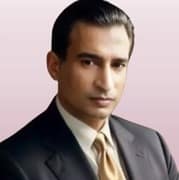
Dr. Suresh Kumar Mishra, known for his wit and wisdom, is a prolific writer, renowned satirist, children’s literature author, and poet. He has undertaken the monumental task of writing, editing, and coordinating a total of 55 books for the Telangana government at the primary school, college, and university levels. His editorial endeavors also include online editions of works by Acharya Ramchandra Shukla.

As a celebrated satirist, Dr. Suresh Kumar Mishra has carved a niche for himself, with over eight million viewers, readers, and listeners tuning in to his literary musings on the demise of a teacher on the Sahitya AajTak channel. His contributions have earned him prestigious accolades such as the Telangana Hindi Academy’s Shreshtha Navyuva Rachnakaar Samman in 2021, presented by the honorable Chief Minister of Telangana, Mr. Chandrashekhar Rao. He has also been honored with the Vyangya Yatra Ravindranath Tyagi Stairway Award and the Sahitya Srijan Samman, alongside recognition from Prime Minister Narendra Modi and various other esteemed institutions.

Dr. Suresh Kumar Mishra’s journey is not merely one of literary accomplishments but also a testament to his unwavering dedication, creativity, and profound impact on society. His story inspires us to strive for excellence, to use our talents for the betterment of others, and to leave an indelible mark on the world.

Some precious moments of life

  1. Honoured with ‘Shrestha Navayuvva Rachnakar Samman’ by former Chief Minister of Telangana Government, Shri K. Chandrasekhar Rao.
  2. Honoured with Oscar, Grammy, Jnanpith, Sahitya Akademi, Dadasaheb Phalke, Padma Bhushan and many other awards by the most revered Gulzar sahab (Sampurn Singh Kalra), the lighthouse of the world of literature and cinema, during the Sahitya Suman Samman held in Mumbai.
  3. Meeting the famous litterateur Shri Vinod Kumar Shukla Ji, honoured with Jnanpith Award.
  4. Got the privilege of meeting Mr. Perfectionist of Bollywood, actor Aamir Khan.
  5. Meeting the powerful actor Vicky Kaushal on the occasion of being honoured by Vishva Katha Rangmanch.

Today we present his satire Galaxy Under FIR 

☆ Witful Warmth# 48 ☆

☆ Satire ☆ Galaxy Under FIR… ☆ Dr. Suresh Kumar Mishra ‘Uratript’ ☆

A rare intergalactic bulletin flashed across the stars: “Urgent need for a skilled Earthly cop to train our galaxy’s police.” The Supreme Galactic Council, in its infinite lack of judgment, decided to summon Senior Police Inspector Arvind from India, the torchbearer of moral ambiguity. Arvind, seasoned in the subtle art of bending rules without breaking sweat, saw this invitation not as an honour, but a golden ticket to cosmic fame. “Why not teach the universe how real policing is done?” he thought. Packing his khaki pride and his procedural grey areas, he boarded the starlight cruiser and reached the Galactic HQ. There, in a chamber filled with officers of all species—tentacled, winged, and gelatinous—he began his grand sermon. His training? Not quite what the Council expected. Arvind began by meticulously explaining the sacred trinity of his earthly methods: how to tamper with FIRs without leaving a trace, how to ‘emotionally persuade’ witnesses into selective amnesia, and the poetic ballet of evidence manipulation. The cosmic cops were awestruck. “What a masterstroke of investigative innovation!” they cheered. Arvind was crowned “Guru Supreme of Galaxy Enforcement,” and the entire intergalactic force pledged themselves to his earthly gospel. Meanwhile, back on Earth, a quiet sigh escaped the department: “Well, at least the universe now shares our burden.”

As days turned into lightyears, Arvind’s doctrine spread like a cosmic wildfire. Crime rates began to rise, oddly in sync with the increasing efficiency of the Galactic Police. His logic was simple: the better you are at finding criminals, the more criminals you find—even if you have to invent a few along the way. Galactic citizens soon found themselves caught in a whirlwind of paranoia. Neighbours eyed each other with suspicion; friends exchanged greetings with polygraph tests; even houseplants were accused of conspiracy. Arvind had successfully introduced the galaxy to the fine art of ‘policing through presumption.’ Witnesses disappeared, not physically, but mentally. Evidence changed forms faster than a shapeshifting alien. The Galactic Police grew sharper, swifter, and eerily selective in their justice. Soon, even a sneeze in public became grounds for interrogation. “Pre-crime is the new normal,” declared one officer proudly, quoting Arvind’s interplanetary bestseller, ‘Suspicion: The Mother of All Justice’. The once-harmonious galaxy had morphed into a grand theatre of mistrust. Planetary leaders started whispering, “Are we making the galaxy safer, or just scarier?” But Arvind, basking in celestial praise, sipped his Martian tea, and said, “Progress comes at a price. Especially when the receipt is forged.”

The real brilliance of Arvind’s teachings lay in his ‘Triple Tampering Technique.’ First, manipulate the FIR. A simple theft could easily become a galactic conspiracy. Then, dismantle the witness. “Don’t argue with them,” Arvind advised. “Just confuse them with jargon until they doubt their own existence.” Finally, reconstruct the evidence—preferably in your favour. These were not just lessons; these were celestial commandments. The Galactic Police, once a by-the-book force of order, now resembled stage actors in a high-budget courtroom drama, complete with scripted confessions and choreographed raids. Meanwhile, the galaxy’s legal scholars were in a frenzy. “Do we defend the truth or the trend?” one lawyer asked, only to be arrested for ‘possessing a rational mind.’ Trials became entertainment, and judges became fans. “Your Honour, I object!” became “Your Honour, I adore!” Arvind’s techniques were immortalized in training modules, VR simulations, and even interplanetary musicals titled ‘Evidence? What Evidence?’ Slowly but surely, law enforcement was less about upholding justice and more about upholding reputation—and Arvind was the brand ambassador. His signature style? Catch first, prove later, and if you can’t prove it, just rearrange the facts until they confess. The universe applauded his efficiency, not realizing it was applauding its own slow descent into democratic delusion.

As Arvind’s influence grew, the side effects became visible across galaxies. Love turned into legal doubt. Family dinners included background checks. Weddings required affidavits of innocence from both parties. Even children were taught to report suspicious behaviour—especially if their sibling refused to share. The cosmic society began to rot under the polished surface of “Arvindian Order.” Trust—a quaint concept once cherished—became a liability. Entire planets adopted his policies, branding them “Zero Tolerance Protocols,” though some citizens whispered, “It’s just zero logic with full drama.” Surveillance drones hovered over every block, broadcasting updates like “Citizen #547 blinked suspiciously at 1400 hours.” The term ‘innocent until proven guilty’ was quietly retired, replaced by “guilty until Photoshop says otherwise.” Arvind, however, remained blissfully detached. “They’re just adapting,” he reasoned. “Some planets take longer to embrace efficient lawlessness.” Yet, the cosmic mood had shifted. Whispers turned into questions, questions into protests. But before dissent could gain momentum, it was swiftly labelled as ‘anti-police propaganda.’ After all, in Arvind’s universe, free speech was just a noise until proven innocent. The galaxy had become a living monument to satire—a place where law lived on paper, and justice lived on YouTube.

Eventually, even the Galactic Council couldn’t ignore the chaos. One of the moons filed an official complaint—yes, the moon itself—claiming “emotional trauma due to excessive suspicion in its orbit.” A star system sued its police department for “over-policing under the influence of Earthly madness.” Interplanetary journalists began writing scathing reviews titled ‘Law & Disorder: The Arvind Protocol’. The Council convened an emergency meeting. “He came, he taught, he corrupted,” declared one member. “He did what he was trained to do,” replied another, somewhat guiltily. And so, the verdict was passed: Arvind would be respectfully deported back to Earth. As news broke, the Galactic Police wept. Their guru, their mentor, the man who taught them how to play chess using checkers, was leaving. Arvind, however, was unmoved. He packed his cosmic medals, his slightly edited commendation letters, and boarded his return shuttle. Before he left, the Police surrounded him, desperate for a final speech, a signature lesson. He simply raised his hand and said, “I didn’t corrupt you. I merely revealed your potential.” Then, turning towards his spaceship, he whispered, “Justice may be blind, but I taught it how to squint.”

Back on Earth, Arvind landed with the subtlety of a political comeback. A red carpet awaited, not of celebration, but confusion. The department that sent him off with quiet relief now greeted him with a nervous smile. “So… how was the universe?” someone asked. “Messy, but manageable,” he smirked. His Galactic teachings didn’t go unnoticed. A few ambitious officers asked for his notes. A few cautious ones burned them. Meanwhile, the galaxy slowly began to detox. It wasn’t easy. Undoing a doctrine is harder than applying it. But somewhere between court reforms and cosmic counselling, planets began to rediscover trust. Yet, Arvind’s legacy lingered—like a perfume that wouldn’t wash off. His manuals became collector’s items. His quotes were used in satire columns. Schools debated his ethics. Comedians adored him. Politicians studied him. In the end, Arvind had not just trained the galaxy; he had held a mirror to it. A mirror that exaggerated, ridiculed, and, in doing so, revealed the absurd truth: that sometimes, the system isn’t broken—it’s just built like that. As Arvind sat in his office once again, sipping tea, he smiled at the sky. “Stars may be far, but their flaws? Just like ours.” And somewhere, light-years away, a suspicious moon blinked—just once.

****

© Dr. Suresh Kumar Mishra ‘Uratript’

Contact : Mo. +91 73 8657 8657, Email : drskm786@gmail.com

≈ Blog Editor – Shri Hemant Bawankar/Editor (English) – Captain Pravin Raghuvanshi, NM ≈

Please share your Post !

Shares

English Literature – Weekly Column ☆ Witful Warmth # 47 – Dance You Can’t, Blame the Floor’s Slant… ☆ Dr. Suresh Kumar Mishra ‘Uratript’ ☆

Dr. Suresh Kumar Mishra ‘Uratript’

Dr. Suresh Kumar Mishra, known for his wit and wisdom, is a prolific writer, renowned satirist, children’s literature author, and poet. He has undertaken the monumental task of writing, editing, and coordinating a total of 55 books for the Telangana government at the primary school, college, and university levels. His editorial endeavors also include online editions of works by Acharya Ramchandra Shukla.

As a celebrated satirist, Dr. Suresh Kumar Mishra has carved a niche for himself, with over eight million viewers, readers, and listeners tuning in to his literary musings on the demise of a teacher on the Sahitya AajTak channel. His contributions have earned him prestigious accolades such as the Telangana Hindi Academy’s Shreshtha Navyuva Rachnakaar Samman in 2021, presented by the honorable Chief Minister of Telangana, Mr. Chandrashekhar Rao. He has also been honored with the Vyangya Yatra Ravindranath Tyagi Stairway Award and the Sahitya Srijan Samman, alongside recognition from Prime Minister Narendra Modi and various other esteemed institutions.

Dr. Suresh Kumar Mishra’s journey is not merely one of literary accomplishments but also a testament to his unwavering dedication, creativity, and profound impact on society. His story inspires us to strive for excellence, to use our talents for the betterment of others, and to leave an indelible mark on the world.

Some precious moments of life

  1. Honoured with ‘Shrestha Navayuvva Rachnakar Samman’ by former Chief Minister of Telangana Government, Shri K. Chandrasekhar Rao.
  2. Honoured with Oscar, Grammy, Jnanpith, Sahitya Akademi, Dadasaheb Phalke, Padma Bhushan and many other awards by the most revered Gulzar sahab (Sampurn Singh Kalra), the lighthouse of the world of literature and cinema, during the Sahitya Suman Samman held in Mumbai.
  3. Meeting the famous litterateur Shri Vinod Kumar Shukla Ji, honoured with Jnanpith Award.
  4. Got the privilege of meeting Mr. Perfectionist of Bollywood, actor Aamir Khan.
  5. Meeting the powerful actor Vicky Kaushal on the occasion of being honoured by Vishva Katha Rangmanch.

Today we present his satire Dance You Can’t, Blame the Floor’s Slant 

☆ Witful Warmth# 47 ☆

☆ Satire ☆ Dance You Can’t, Blame the Floor’s Slant… ☆ Dr. Suresh Kumar Mishra ‘Uratript’ ☆

It was the fourth consecutive year that Master Ji was elected as the Chairman of the Local Development Committee—a man whose achievements could be summarized in three bullet points: once rang the school bell without being told, once refused to be a “murga” (punishment pose), and once mistook the drain cover for a chessboard. The whole neighborhood sang in chorus: “If you can’t dance, don’t blame the courtyard!” But Master Ji? He blamed everything but himself. “Potholes? That’s monsoon policy. Choked drains? Blame global warming. No water in the taps? Solar initiative!” In Master Ji’s dictionary, ‘logic’ came after ‘laziness’.

Master Ji’s talent lay in his gymnastics of blame. Like a trained magician, he pulled out excuses faster than one could say “sanitation drive.” Roads had more pits than a battlefield, but he proudly proclaimed, “We are promoting rainwater harvesting—naturally!” A kid once tripped in a gutter and called it “Ganga Snaan with flavor.” And the public? They were too tired of his slogans: “Digital Future!”—ironically printed on ration card paper. The best line? “Where IQ is low, foundation stones grow.”

No other leader could drag an entire community backwards like Master Ji. He announced: “Manual drain cleaning is back! Why? Because machines steal jobs!” Poor Sattu Bhaiya, the local snack seller, replied: “Bhai, if we must clean by hand, at least provide nose clips!” But Master Ji smiled like a Buddha statue and said, “This is real employment.” The punchline echoed: “When the job is shit and the hope is holy, revolution smells like bleach.”

One fine day, he proudly unfurled a new plan—“Digital Neighborhood.” It meant: “Send your complaints via WhatsApp. Solutions, we’ll imagine.” An old man stood up: “Beta, I don’t have a phone.” Master Ji snapped, “Exactly! That’s why I said—Go Digital!” The people’s eyes welled up. Their only water source—a tank built in 2007—still had no water. But the children made drums out of it. And Master Ji? “See! Cultural development is booming!” Punchline? “If your project gives rhythm, but not relief—it’s not development, it’s deception.”

Elections came again. And again, the committee re-elected Master Ji because “no one else wanted to ruin their peace.” The few who opposed had kids in his school—so, silence. The air reeked of old Gulab Jamuns and newer betrayals. A new plan was unveiled: “Dream Scheme”—symbolized by an old photocopy of a bus pass presented as a “blueprint.” Punchline of the year? “In the land of the blind, even a fake certificate is vision.”

Then came the “Smart Light” promise. Lights would be installed. Bulbs, you’d buy. Wiring? Your headache. Bill? Also yours. People asked: “So what will the government provide?” Master Ji replied with a grin: “Inspiration.” A boy laughed—till he fell in an unlit ditch. His leg broke. Master Ji declared: “It was a voluntary yoga pose. He wanted to connect to the grassroots.” The crowd gasped. Punchline? “When words are healing but deeds are hemorrhage, pain becomes tradition.”

The park, once used for morning walks, was now a ‘Yoga Kendra’ with banners screaming “Together for Master Ji!” Breathing exercises amidst stinking drains became symbolic. One youth dared to ask: “What have you even done?” Master Ji replied, “By doing nothing, we ensured no mistakes.” The punchline hurt: “When inaction becomes policy, history becomes obituary.” And yet, no one resisted. Resistance was taxed—emotionally.

Finally, an old lady, revered voter number one, whispered: “I may be half-blind now, but Master Ji’s face still shines the clearest—maybe because he’s always in the front row… with no one else daring to join.” The final farewell came when Master Ji “resigned” (read: retired hurt). No one cried. Except the walls, maybe, who bore his posters for too long. A final banner said: “If we don’t change now, history will rewrite us… in red ink.”

That old man who fell in the ditch? His 13th-day memorial was silent. No one brought flowers. Master Ji showed up, whispered, “I’m deeply sensitive.” A child muttered, “Then why did it feel like apathy dressed in empathy?” Last punchline, the hardest one: “They promised development; we got drama. Now we breathe, not air—but ache.”

And from that day on, in that neighborhood, whenever someone did something foolish, the elders would chuckle and say:

“Don’t grow up to be Master Ji, beta… even history won’t footnote you.”

****

© Dr. Suresh Kumar Mishra ‘Uratript’

Contact : Mo. +91 73 8657 8657, Email : drskm786@gmail.com

≈ Blog Editor – Shri Hemant Bawankar/Editor (English) – Captain Pravin Raghuvanshi, NM ≈

Please share your Post !

Shares

English Literature – Weekly Column ☆ Witful Warmth # 46 – The Quest for Life’s Truth ☆ Dr. Suresh Kumar Mishra ‘Uratript’ ☆

Dr. Suresh Kumar Mishra ‘Uratript’

Dr. Suresh Kumar Mishra, known for his wit and wisdom, is a prolific writer, renowned satirist, children’s literature author, and poet. He has undertaken the monumental task of writing, editing, and coordinating a total of 55 books for the Telangana government at the primary school, college, and university levels. His editorial endeavors also include online editions of works by Acharya Ramchandra Shukla.

As a celebrated satirist, Dr. Suresh Kumar Mishra has carved a niche for himself, with over eight million viewers, readers, and listeners tuning in to his literary musings on the demise of a teacher on the Sahitya AajTak channel. His contributions have earned him prestigious accolades such as the Telangana Hindi Academy’s Shreshtha Navyuva Rachnakaar Samman in 2021, presented by the honorable Chief Minister of Telangana, Mr. Chandrashekhar Rao. He has also been honored with the Vyangya Yatra Ravindranath Tyagi Stairway Award and the Sahitya Srijan Samman, alongside recognition from Prime Minister Narendra Modi and various other esteemed institutions.

Dr. Suresh Kumar Mishra’s journey is not merely one of literary accomplishments but also a testament to his unwavering dedication, creativity, and profound impact on society. His story inspires us to strive for excellence, to use our talents for the betterment of others, and to leave an indelible mark on the world.

Some precious moments of life

  1. Honoured with ‘Shrestha Navayuvva Rachnakar Samman’ by former Chief Minister of Telangana Government, Shri K. Chandrasekhar Rao.
  2. Honoured with Oscar, Grammy, Jnanpith, Sahitya Akademi, Dadasaheb Phalke, Padma Bhushan and many other awards by the most revered Gulzar sahab (Sampurn Singh Kalra), the lighthouse of the world of literature and cinema, during the Sahitya Suman Samman held in Mumbai.
  3. Meeting the famous litterateur Shri Vinod Kumar Shukla Ji, honoured with Jnanpith Award.
  4. Got the privilege of meeting Mr. Perfectionist of Bollywood, actor Aamir Khan.
  5. Meeting the powerful actor Vicky Kaushal on the occasion of being honoured by Vishva Katha Rangmanch.

Today we present his satire The Quest for Life’s Truth 

☆ Witful Warmth# 46 ☆

☆ Satire ☆ The Quest for Life’s Truth… ☆ Dr. Suresh Kumar Mishra ‘Uratript’ ☆

In a small town, there lived a person named Rohan. Rohan was a person who was on a quest to find the truth of life. He was searching everywhere, but he couldn’t find the truth of life. One day, he asked a pandit, “Pandit ji, what is the truth of life?” The pandit replied, “The truth of life is within you, you just need to find it.” Rohan said, “But Pandit ji, I am searching everywhere, still I couldn’t find the truth of life.” The pandit said, “You need to look within yourself to find the truth of life.” Rohan said, “But Pandit ji, I am not even able to understand myself, how can I find the truth of life?” The pandit said, “That’s the truth of life, understanding oneself.” Rohan said, “But Pandit ji, it’s very difficult.” The pandit said, “The truth of life is always difficult, but you need to find it.” Rohan said, “Okay Pandit ji, I will try to find the truth of life.” The pandit said, “That’s the truth of life, trying to find it.”

Rohan tried to find the truth of life, but he couldn’t find it. He tried to understand himself, but he couldn’t understand himself. He said, “If only I could understand myself, I would definitely find the truth of life.” But Rohan couldn’t find the truth of life. He said, “Maybe the truth of life will never be found.” Rohan’s eyes welled up with tears and he fainted crying. When he came to, he found himself in a hospital. The doctor said, “Your health is not good, you need to rest.” Rohan said, “But doctor sahib, I want to find the truth of life.” The doctor said, “The truth of life is within you, you just need to find it.” Rohan said, “But doctor sahib, I am not even able to understand myself.” The doctor said, “That’s the truth of life, understanding oneself.”

Rohan tried to find the truth of life, but he couldn’t find it. He said, “If only I could find the truth of life.” Rohan’s eyes welled up with tears and he fainted crying. When he came to, he found himself at home. His mother said, “Beta, you don’t need to find the truth of life, just understand yourself.” Rohan said, “But maa, I am not even able to understand myself.” His mother said, “Beta, to understand yourself, you need to look within yourself.” Rohan said, “But maa, I am scared to look within myself.” His mother said, “Beta, the truth of life is always difficult, but you need to find it.”

Rohan tried to find the truth of life, but he couldn’t find it. He said, “If only I could find the truth of life.” Rohan’s eyes welled up with tears and he fainted crying. When he came to, he found himself in a temple. The priest said, “Bhakt, you don’t need to find the truth of life, just understand yourself.” Rohan said, “But maharaj, I am not even able to understand myself.” The priest said, “Bhakt, to understand yourself, you need to look within yourself.” Rohan said, “But maharaj, I am scared to look within myself.” The priest said, “Bhakt, the truth of life is always difficult, but you need to find it.”

Rohan’s story made people cry. People said, “If only Rohan could find the truth of life of.” But Rohan couldn’t find the truth of life. Rohan said, “Maybe the truth of life will never be found.” Rohan’s eyes welled up with tears and he fainted crying. People consoled Rohan and said, “Don’t worry, Rohan will definitely find the truth of life.” But Rohan couldn’t find the truth of life.

Rohan’s story had a very sad ending. Rohan tried very hard to find the truth of life, but he couldn’t find it. Rohan said, “If only I could find the truth of life.” Rohan’s eyes welled up with tears and he fainted crying. People consoled Rohan and said, “Don’t worry, Rohan will definitely find the truth of life.” But Rohan couldn’t find the truth of life.

Rohan’s story taught people that finding the truth of life is very difficult. But people said, “Don’t worry, Rohan will definitely find the truth of life.” But Rohan couldn’t find the truth of life. Rohan’s story had a very sad ending and people said, “Rohan’s story taught us that finding the truth of life is very difficult.”

Rohan’s story came to an end. Rohan tried very hard to find the truth of life, but he couldn’t find it. Rohan’s eyes welled up with tears and he fainted crying. People consoled Rohan and said, “Don’t worry, Rohan will definitely find the truth of life.” But Rohan couldn’t find the truth of life. Rohan’s story had a very sad ending.

Meta AI response: The Quest for Life’s Truth Dr. Suresh Kumar Mishra ‘Uratripta’ In a small town, there lived a person named Rohan. Rohan was a person who was on a quest to find the truth of life. He was searching everywhere, but he couldn’t find the truth of life. One day, he asked a pandit, “Pandit ji, what is the truth of life?” The pandit replied, “The truth of life is within you, you just need to find it.” Rohan said, “But Pandit ji, I am searching everywhere, still I couldn’t find the truth of life.” The pandit said, “You need to look within yourself to find the truth of life.” Rohan said, “But Pandit ji, I am not even able to understand myself, how can I find the truth of life?” The pandit said, “That’s the truth of life, understanding oneself.” Rohan said, “But Pandit ji, it’s very difficult.” The pandit said, “The truth of life is always difficult, but you need to find it.” Rohan said, “Okay Pandit ji, I will try to find the truth of life.” The pandit said, “That’s the truth of life, trying to find it.” Rohan tried to find the truth of life, but he couldn’t find it. He tried to understand himself, but he couldn’t understand himself. He said, “If only I could understand myself, I would definitely find the truth of life.” But Rohan couldn’t find the truth of life. He said, “Maybe the truth of life will never be found.” Rohan’s eyes welled up with tears and he fainted crying. When he came to, he found himself in a hospital. The doctor said, “Your health is not good, you need to rest.” Rohan said, “But doctor sahib, I want to find the truth of life.” The doctor said, “The truth of life is within you, you just need to find it.” Rohan said, “But doctor sahib, I am not even able to understand myself.” The doctor said, “That’s the truth of life, understanding oneself.” Rohan tried to find the truth of life, but he couldn’t find it. He said, “If only I could find the truth of life.” Rohan’s eyes welled up with tears and he fainted crying. When he came to, he found himself at home. His mother said, “Beta, you don’t need to find the truth of life, just understand yourself.” Rohan said, “But maa, I am not even able to understand myself.” His mother said, “Beta, to understand yourself, you need to look within yourself.” Rohan said, “But maa, I am scared to look within myself.” His mother said, “Beta, the truth of life is always difficult, but you need to find it.” Rohan tried to find the truth of life, but he couldn’t find it. He said, “If only I could find the truth of life.” Rohan’s eyes welled up with tears and he fainted crying. When he came to, he found himself in a temple. The priest said, “Bhakt, you don’t need to find the truth of life, just understand yourself.” Rohan said, “But maharaj, I am not even able to understand myself.” The priest said, “Bhakt, to understand yourself, you need to look within yourself.” Rohan said, “But maharaj, I am scared to look within myself.” The priest said, “Bhakt, the truth of life is always difficult, but you need to find it.” Rohan’s story made people cry. People said, “If only Rohan could find the truth of life of.” But Rohan couldn’t find the truth of life. Rohan said, “Maybe the truth of life will never be found.” Rohan’s eyes welled up with tears and he fainted crying. People consoled Rohan and said, “Don’t worry, Rohan will definitely find the truth of life.” But Rohan couldn’t find the truth of life. Rohan’s story had a very sad ending. Rohan tried very hard to find the truth of life, but he couldn’t find it. Rohan said, “If only I could find the truth of life.” Rohan’s eyes welled up with tears and he fainted crying. People consoled Rohan and said, “Don’t worry, Rohan will definitely find the truth of life.” But Rohan couldn’t find the truth of life. Rohan’s story taught people that finding the truth of life is very difficult. But people said, “Don’t worry, Rohan will definitely find the truth of life.” But Rohan couldn’t find the truth of life. Rohan’s story had a very sad ending and people said, “Rohan’s story taught us that finding the truth of life is very difficult.” Rohan’s story came to an end. Rohan tried very hard to find the truth of life, but he couldn’t find it. Rohan’s eyes welled up with tears and he fainted crying. People consoled Rohan and said, “Don’t worry, Rohan will definitely find the truth of life.”

****

© Dr. Suresh Kumar Mishra ‘Uratript’

Contact : Mo. +91 73 8657 8657, Email : drskm786@gmail.com

≈ Blog Editor – Shri Hemant Bawankar/Editor (English) – Captain Pravin Raghuvanshi, NM ≈

Please share your Post !

Shares

English Literature – Weekly Column ☆ Witful Warmth # 45 – Tiny Rings, Big Weddings, Half a Garland Love ☆ Dr. Suresh Kumar Mishra ‘Uratript’ ☆

Dr. Suresh Kumar Mishra ‘Uratript’

Dr. Suresh Kumar Mishra, known for his wit and wisdom, is a prolific writer, renowned satirist, children’s literature author, and poet. He has undertaken the monumental task of writing, editing, and coordinating a total of 55 books for the Telangana government at the primary school, college, and university levels. His editorial endeavors also include online editions of works by Acharya Ramchandra Shukla.

As a celebrated satirist, Dr. Suresh Kumar Mishra has carved a niche for himself, with over eight million viewers, readers, and listeners tuning in to his literary musings on the demise of a teacher on the Sahitya AajTak channel. His contributions have earned him prestigious accolades such as the Telangana Hindi Academy’s Shreshtha Navyuva Rachnakaar Samman in 2021, presented by the honorable Chief Minister of Telangana, Mr. Chandrashekhar Rao. He has also been honored with the Vyangya Yatra Ravindranath Tyagi Stairway Award and the Sahitya Srijan Samman, alongside recognition from Prime Minister Narendra Modi and various other esteemed institutions.

Dr. Suresh Kumar Mishra’s journey is not merely one of literary accomplishments but also a testament to his unwavering dedication, creativity, and profound impact on society. His story inspires us to strive for excellence, to use our talents for the betterment of others, and to leave an indelible mark on the world.

Some precious moments of life

  1. Honoured with ‘Shrestha Navayuvva Rachnakar Samman’ by former Chief Minister of Telangana Government, Shri K. Chandrasekhar Rao.
  2. Honoured with Oscar, Grammy, Jnanpith, Sahitya Akademi, Dadasaheb Phalke, Padma Bhushan and many other awards by the most revered Gulzar sahab (Sampurn Singh Kalra), the lighthouse of the world of literature and cinema, during the Sahitya Suman Samman held in Mumbai.
  3. Meeting the famous litterateur Shri Vinod Kumar Shukla Ji, honoured with Jnanpith Award.
  4. Got the privilege of meeting Mr. Perfectionist of Bollywood, actor Aamir Khan.
  5. Meeting the powerful actor Vicky Kaushal on the occasion of being honoured by Vishva Katha Rangmanch.

Today we present his satire Tiny Rings, Big Weddings, Half a Garland Love 

☆ Witful Warmth# 45 ☆

☆ Satire ☆ Tiny Rings, Big Weddings, Half a Garland Love… ☆ Dr. Suresh Kumar Mishra ‘Uratript’ ☆

That evening, there weren’t any clouds in the sky, but on the WhatsApp group of the neighborhood, an emotional monsoon was definitely pouring. The reason? A birthday party. But not just any party—this was the grand “Mini-Marriage Extravaganza” of Gupta ji’s granddaughter’s aunt’s sister-in-law’s daughter’s son. Yes, relationships in India are longer than wedding vows, and just as confusing.

On a tiny, glittering stage stood five-year-old Rahul and four-and-a-half-year-old Pinky—both with cheeks still stained from milk and cookie crumbs. One looked like a lost groom, the other like a soap opera heroine in miniature.

“Hold the flower!” commanded Pinky, her tone sharper than a reality show judge.

“No, not like that—gracefully! Like you mean it!”

The crowd laughed. Cameras clicked. And Sharma Aunty sobbed emotionally, whispering, “Today’s kids are so smart! Our daughter-in-law still doesn’t know what blouse fall is!”

This was no play. It was a national trailer—India’s future in two minutes and forty seconds, garnished with flowers and viral hashtags. When Rahul bent down to hand over the flower, clumsily copying the kneeling trope from Bollywood, the aunties clapped as though a new law had passed in Parliament—The Child Marriage (Cute Content) Act 2025.

As the garlands looped around tiny necks, nostalgia gripped the uncles.

“In our days, love arrived via postman,” mused Sharma ji, “Now it shows up in Instagram reels—with background music and slow motion!”

He sighed. A deep, worn-out sigh. The kind of sigh that said: “Even children are marrying now, and I’m still paying EMI for my second daughter-in-law’s bangles.”

If Parsai’s soul was lurking anywhere nearby, it would have been rolling in the aisle, chuckling at humanity’s need to commercialize even a child’s innocence. “I bet,” he’d whisper from beyond, “next time they’ll stage a cute divorce act—complete with tiny lawyers and an emotional breakup song.”

The party ended, but not the unease. As laddoos were served, a question quietly echoed: Are we turning our children into ‘content’ before they can even become children?

Garlands on one side, likes on the other… and in between—childhood, shrinking like that old frock your daughter once wore but can’t fit into anymore.

Earlier, girls used to marry dolls. Now they become dolls—for views and clout. And the boy? He simply does what he’s told—

“Hold the flower, beta!”

After the shoot, Rahul caught a cold, and Pinky went viral. Her mother proudly declared, “We should put her in acting school. She’s got that spark!”

Rahul’s father just stood silently. Then muttered, “He held the flower. Now I’ll bear the thorns forever.”

The satire met its most painful punch when Rahul’s little sister asked that night, “Papa, will I also get married tomorrow?”

And the mother, adjusting her sari and her sarcasm, replied, “Depends, sweetheart. If the video goes viral, then maybe. Start thinking of a hashtag—#LittleBrideBigHype.”

And so, a new ritual has emerged in our lanes and gallis: a corner at every party now has kids dressed up in wedding costumes, ready to ‘perform’ their innocence.

Parents hover with phones in hand, waiting to record the next viral gem, the next ‘adorable’ moment, the next “We are so blessed” caption.

This isn’t just satire. It’s a mirror we’d rather not look into. Everything is staged. Everyone’s a prop. And childhood? It’s just a clip—carefully curated, expertly edited, and widely forwarded.

Next time you come across a viral reel of two kids pretending to get married, don’t just hit ‘like’. Pause. Ask yourself—Is that smile really theirs, or just another rented emotion we forced them to wear for our entertainment?

And if you must cry—keep a tissue handy. You’re going to need it.

****

© Dr. Suresh Kumar Mishra ‘Uratript’

Contact : Mo. +91 73 8657 8657, Email : drskm786@gmail.com

≈ Blog Editor – Shri Hemant Bawankar/Editor (English) – Captain Pravin Raghuvanshi, NM ≈

Please share your Post !

Shares

English Literature – Weekly Column ☆ Witful Warmth # 44 – The stomach judged, the rulers budged! ☆ Dr. Suresh Kumar Mishra ‘Uratript’ ☆

Dr. Suresh Kumar Mishra ‘Uratript’

Dr. Suresh Kumar Mishra, known for his wit and wisdom, is a prolific writer, renowned satirist, children’s literature author, and poet. He has undertaken the monumental task of writing, editing, and coordinating a total of 55 books for the Telangana government at the primary school, college, and university levels. His editorial endeavors also include online editions of works by Acharya Ramchandra Shukla.

As a celebrated satirist, Dr. Suresh Kumar Mishra has carved a niche for himself, with over eight million viewers, readers, and listeners tuning in to his literary musings on the demise of a teacher on the Sahitya AajTak channel. His contributions have earned him prestigious accolades such as the Telangana Hindi Academy’s Shreshtha Navyuva Rachnakaar Samman in 2021, presented by the honorable Chief Minister of Telangana, Mr. Chandrashekhar Rao. He has also been honored with the Vyangya Yatra Ravindranath Tyagi Stairway Award and the Sahitya Srijan Samman, alongside recognition from Prime Minister Narendra Modi and various other esteemed institutions.

Dr. Suresh Kumar Mishra’s journey is not merely one of literary accomplishments but also a testament to his unwavering dedication, creativity, and profound impact on society. His story inspires us to strive for excellence, to use our talents for the betterment of others, and to leave an indelible mark on the world. Today we present his satire The stomach judged, the rulers budged! 

☆ Witful Warmth# 44 ☆

☆ Satire ☆ The stomach judged, the rulers budged!… ☆ Dr. Suresh Kumar Mishra ‘Uratript’ ☆

Raghu’s entire life was spent in one queue or the other. First, the school queue. Then, the marriage queue. Then came the job queue. And now, in his twilight years, he was gloriously queued up for—hold your breath—ration! They say a man finally rests six feet under a line, but Raghu had managed to live in one, permanently. He’d wake up at 4 a.m. (bathing was optional), tie a half-hearted dhoti, and be in line before his wife could shout, “There’s no milk!” Milk? Raghu didn’t need milk. He needed wheat, rice, and a teaspoon of dignity. Ration queues, my friend, are the true melting pots of Indian democracy. Religion, caste, class—everything dissolves into one universal identity: “Please wait.” The government tone might as well be inspired by the ration shop’s eternal chorus.

“Last time I didn’t get salt,” Raghu mumbled. A cheeky teen behind him quipped, “Planning to make halwa this time, grandpa?” The shopkeeper, with the swagger of a TV anchor, stamped Raghu’s card and said, “You’ll get it when there’s leftovers. Move along, Baba!” It was the same every month—nothing left but leftover expectations. Ration has now become a seasonal blessing from the heavens, or more precisely, from the District Supply Office. Behind him, a girl shouted, “Give me rice, I feel like making daal today!” Raghu turned—she was around his granddaughter’s age but had a Smart Card. Raghu only had old memories and a fractured spine.

“Stay in line, old man!” The security guard’s voice had the softness of a hammer. Raghu stepped back. The words didn’t just strike his ears—they jabbed his soul. All his life he made sure his children stayed in line—school lines, fee lines, marriage bureaus. And today, here he was—an unregistered participant in the very line he had been loyal to. The women’s queue was longer, but their patience was even longer. “My bag’s torn!” a woman screamed. The shopkeeper chuckled, “Just like government promises—always bursting at the seams!”

Sweat ran down in streams. Raghu’s eyes leaked too—both victims of the merciless sun and merciless system. A kid asked innocently, “Grandpa, are you hungry?” Raghu smiled, “No, son. Hunger is no longer a feeling. It’s a habit now.” That was supposed to be a joke, but even the laughter trembled with weakness. When hunger becomes routine, a man doesn’t live—he simply performs the act of living.

Suddenly, a politician’s convoy zoomed past—AC cars like mobile glaciers in a desert. “Clear the way! The Hon’ble is coming!” the guard barked. Raghu’s face lit up, “Is he coming for ration too?” The crowd laughed—a hollow, stomach-growling laugh. Laughter in a ration line is a form of protest—it doesn’t lighten, it burns. Then came the cameras. Journalists took selfies with Raghu. “You look very inspirational, Dadaji!” one chirped. Raghu blinked—so hunger had now become an inspirational story!

He returned home with an empty bag and a full pocket—full of papers. One read: “Aadhaar not linked. Kindly visit the bank.” He showed it to his daughter-in-law. She sighed, “Leave it, Baba. We’ll just buy something from outside.” But Raghu knew—outside food comes with preservatives, not love. Home-made rotis, even without ghee, carried something else—dignity, belonging, soul.

The last time Raghu stood in the line, the guard said, “Why do you keep coming, Baba? You’re too old.” Raghu smiled, “The day I stop getting ration, son, I’ll stop breathing.” And so it happened. He collapsed in the line—without drama, without a scream. They brought water, but of course, there was no sugar in it. Just like his life—bitter, basic, and boiled down to survival.

Raghu left. Not just the queue, but the planet. Behind him, his torn cloth bag lay still. A perfect metaphor for every government scheme—too stretched, too fragile, and too empty. Bubbly, the girl from the back, was crying. The guard looked down. The shopkeeper, for the first time, didn’t crack a joke. And somewhere above, a final line was drawn—not on paper, but in memory. Ah… and the nation, still waiting in line, fell silent.

****

© Dr. Suresh Kumar Mishra ‘Uratript’

Contact : Mo. +91 73 8657 8657, Email : drskm786@gmail.com

≈ Blog Editor – Shri Hemant Bawankar/Editor (English) – Captain Pravin Raghuvanshi, NM ≈

Please share your Post !

Shares

English Literature – Weekly Column ☆ Witful Warmth # 43 – The Progressive Ox and the Modern Plow ☆ Dr. Suresh Kumar Mishra ‘Uratript’ ☆

Dr. Suresh Kumar Mishra ‘Uratript’

Dr. Suresh Kumar Mishra, known for his wit and wisdom, is a prolific writer, renowned satirist, children’s literature author, and poet. He has undertaken the monumental task of writing, editing, and coordinating a total of 55 books for the Telangana government at the primary school, college, and university levels. His editorial endeavors also include online editions of works by Acharya Ramchandra Shukla.

As a celebrated satirist, Dr. Suresh Kumar Mishra has carved a niche for himself, with over eight million viewers, readers, and listeners tuning in to his literary musings on the demise of a teacher on the Sahitya AajTak channel. His contributions have earned him prestigious accolades such as the Telangana Hindi Academy’s Shreshtha Navyuva Rachnakaar Samman in 2021, presented by the honorable Chief Minister of Telangana, Mr. Chandrashekhar Rao. He has also been honored with the Vyangya Yatra Ravindranath Tyagi Stairway Award and the Sahitya Srijan Samman, alongside recognition from Prime Minister Narendra Modi and various other esteemed institutions.

Dr. Suresh Kumar Mishra’s journey is not merely one of literary accomplishments but also a testament to his unwavering dedication, creativity, and profound impact on society. His story inspires us to strive for excellence, to use our talents for the betterment of others, and to leave an indelible mark on the world. Today we present his satire The Progressive Ox and the Modern Plow 

☆ Witful Warmth# 43 ☆

☆ Satire ☆ The Progressive Ox and the Modern Plow… ☆ Dr. Suresh Kumar Mishra ‘Uratript’ ☆

It was a lazy Sunday morning at the village square. Old Kaka, with his wrinkled wisdom and a perpetually lit pipe, sat under the giant banyan tree. His gaze was fixed on the horizon as he puffed out smoke circles that seemed to mock the monotony of life. The younger folks gathered around him—they had just returned from their city escapades and were brimming with stories of “modern solutions” and “startups.”

Kaka cleared his throat, “I hear progress is galloping ahead like a wild horse. But tell me, how do we hitch an ox to this modern plow?”

The youth laughed. “Kaka, oxen are outdated now. We’re talking drones for farming, AI for irrigation, and apps that tell you when the crops are thirsty!”

Kaka’s brows furrowed. “Ah, so we’ll teach the ox to download an app next? Or is progress about abandoning the ox and buying one that runs on batteries?”

The crowd chuckled, but Gopal, the self-proclaimed village intellectual, stepped forward. “Kaka, you’re missing the point! Progress is about replacing old methods with innovative technology. Think of it this way—farming 2.0!”

Kaka took a deep drag from his pipe and exhaled with a smile. “So, we make farming so expensive that a farmer has to sell his land to afford the progress? Progress has become a race where the ox is left behind, and the farmer is left chasing loans.”

“But Kaka,” Gopal retorted, “Technology is the future. The villagers must adapt or perish. It’s survival of the smartest!”

Kaka chuckled softly. “Yes, but remember, Gopal, even the smartest fox cannot grow crops. Progress that leaves the ox, the plow, and the farmer behind is just a balloon—beautiful to look at, but bursts at the first prick of reality.”

The conversation spiraled from drones to digital wallets, as the youth defended their newfound faith in technology. Kaka listened patiently, occasionally nodding, as his pipe smoke seemed to form questions they couldn’t answer.

Finally, he stood up, tapped his pipe against the tree trunk, and declared, “True progress is when the ox and the plow walk hand in hand with technology—not when one is sacrificed at the altar of the other.”

The village square erupted in laughter and applause, not because they fully agreed with Kaka, but because they saw in his words the humor and irony of their reality. And as he walked away, one of the youths whispered, “Maybe the old man isn’t so outdated after all.”

****

© Dr. Suresh Kumar Mishra ‘Uratript’

Contact : Mo. +91 73 8657 8657, Email : drskm786@gmail.com

≈ Blog Editor – Shri Hemant Bawankar/Editor (English) – Captain Pravin Raghuvanshi, NM ≈

Please share your Post !

Shares

English Literature – Weekly Column ☆ Witful Warmth # 42 – The Great Deceiver Maya, Our Mistress ☆ Dr. Suresh Kumar Mishra ‘Uratript’ ☆

Dr. Suresh Kumar Mishra ‘Uratript’

Dr. Suresh Kumar Mishra, known for his wit and wisdom, is a prolific writer, renowned satirist, children’s literature author, and poet. He has undertaken the monumental task of writing, editing, and coordinating a total of 55 books for the Telangana government at the primary school, college, and university levels. His editorial endeavors also include online editions of works by Acharya Ramchandra Shukla.

As a celebrated satirist, Dr. Suresh Kumar Mishra has carved a niche for himself, with over eight million viewers, readers, and listeners tuning in to his literary musings on the demise of a teacher on the Sahitya AajTak channel. His contributions have earned him prestigious accolades such as the Telangana Hindi Academy’s Shreshtha Navyuva Rachnakaar Samman in 2021, presented by the honorable Chief Minister of Telangana, Mr. Chandrashekhar Rao. He has also been honored with the Vyangya Yatra Ravindranath Tyagi Stairway Award and the Sahitya Srijan Samman, alongside recognition from Prime Minister Narendra Modi and various other esteemed institutions.

Dr. Suresh Kumar Mishra’s journey is not merely one of literary accomplishments but also a testament to his unwavering dedication, creativity, and profound impact on society. His story inspires us to strive for excellence, to use our talents for the betterment of others, and to leave an indelible mark on the world. Today we present his satire The Great Deceiver Maya, Our Mistress 

☆ Witful Warmth# 42 ☆

☆ Satire ☆ The Great Deceiver Maya, Our Mistress… ☆ Dr. Suresh Kumar Mishra ‘Uratript’ ☆

So, dear friends, the story begins on that fateful day when the greatest con artist of all—the human mind—decided to play its grandest trick on me. I woke up in the morning, rubbing my eyes, thinking, “Today, I’ll do something big, something that’ll go down in history!” But history? I couldn’t even cross my doorstep before Maya threw her first punch. “Beta, make some tea!” came my mother’s voice. Now, making tea isn’t exactly a grand feat, but Maya wove such a web around it that it wasn’t just tea—it squeezed the life out of me. No sugar, curdled milk, empty gas cylinder—and there I was, standing on the street with a pot in hand, singing like an unemployed poet, “Oh life, what have you given me?” Maya laughed, “This is just the trailer, the movie’s yet to come!” And trust me, the movie was so intense that even Shah Rukh’s films would pale in comparison. The shopkeeper said, “Cylinder will come tomorrow, cook on a stove today.” A stove? Is this 2025 or 1825? But behold Maya’s game—she turned me into a poet even while I hauled wood: “Life’s a stove, all smoke, no glow.” Neighbors laughed, “You’re quite the craftsman!” There was pain in that laughter, but who sees the tears in my eyes? Maya whispered, “Don’t cry, the day’s just begun.” And I, the fool, believed her and stepped out to embrace the day. Embrace? More like I got choked. 

The sun rose higher, and I thought, let’s hunt for a job. I grabbed my resume, polished my shoes, and set off—“There are more destinations to conquer!” But Maya had already written the script. I boarded the bus, reached for my pocket—my wallet was gone. The driver barked, “Ticket or get off!” I pleaded, “Brother, adjust a little, I’m jobless.” He laughed, “Then this isn’t a bus, it’s a train straight to Footpath Station!” The crowd clapped, and I stepped off—not as a hero, but as a villain. Standing on the road, I wondered, “Is this Maya or my fate mocking me?” Just then, a beggar approached, “Sir, spare two rupees.” I said, “Brother, I’m a beggar myself, you give me some.” He laughed, “You’re worse off than me!” Maya cackled, “See, I’ve made you the king of the streets!” King? Yes, without a crown, without a kingdom. My shoes were worn out, my stomach growled, and Maya shouted, “The interview’s still left!” Interview? That became a distant dream because by the time I reached the office, it was night. 

Evening fell, and I thought, let’s meet some friends—maybe my heart will feel lighter. But Maya outdid herself here too. My friend said, “Good you came, I’m broke, lend me some money.” I replied, “Brother, my pocket’s full of air—and that’s polluted too!” He said, “No worries, sit, I’ll get tea.” Tea arrived, I started sipping, and the dhaba owner yelled, “Who’s paying?” My friend vanished, and I was trapped. The owner said, “Wash the dishes, then leave.” Now witness Maya’s magic—my day began making tea, and ended washing dishes. Hands covered in soap, eyes brimming with tears, and a single question in my mind—“Is this life or a punishment?” Maya placed her hand on my shoulder, “Not punishment, my art.” Art? This isn’t art, it’s cruelty! But who can reason with Maya? She just kept laughing, and I, like an empty vessel, kept sobbing. My friend called later, “Sorry, I was joking.” Joking? My life’s become a joke, and Maya’s sitting in the director’s chair, clapping away. 

Night arrived, and I returned home. Mom said, “Where were you? The food’s cold.” I replied, “Mom, I’ve gone cold from life itself.” I ate, but where was the taste? Maya had stolen that too. I tried to sleep, but Maya had kidnapped my sleep. Lying in the dark, I wondered, “What did I do wrong?” Maya answered, “Wrong? You were born—that’s your mistake!” And then her laughter echoed—ha ha ha! I buried my face in the pillow, but the tears wouldn’t stop. Outside, a dog was barking—perhaps another victim of Maya. “Brother, are you crying too?” I asked. The dog fell silent, maybe Maya scolded him too. I survived the night, morning came, and Maya was ready again—“New day, new drama!” I pleaded, “Enough, Maya! I can’t take it anymore.” But she said, “You’ll have to, because I’m Maya, the Great Deceiver!” And I, like a puppet, got entangled in her game again. 

Morning followed the same routine. I made tea, but this time Maya added a new twist—she swapped the sugar with salt. Mom shouted, “What is this?” I said, “Mom, this is the taste of my life—salty tears!” She snapped, “Stop the nonsense, go get milk.” I went, but the shopkeeper said, “Money first, milk later.” Empty pockets, teary eyes. I returned, and Mom taunted, “You’ll always be useless.” Useless? Yes, Maya had made me the emperor of the useless. The day progressed, and the phone rang. The electricity guy said, “Pay the bill, or we’ll cut the power.” I said, “Brother, my life’s already cut off, what’s electricity?” He laughed, “Then cry in the dark!” Darkness? It’s become my friend. Maya said, “See, I’ve shown you every shade—black, white, salty!” And I, without electricity, sat with a candle, talking to my shadow—“You’re better than me, at least Maya doesn’t toy with you.” 

Noon arrived, and a neighbor came by, “I hear crying from your house.” I said, “Brother, that’s my life, clinging to me and weeping.” He asked, “Some girl trouble?” I laughed, “Yes, a girl named Maya!” He didn’t understand and left. Then the postman arrived with a letter. I opened it—a job rejection: “You’re unfit.” Unfit? Maya taunted, “See, you’re unfit even for my game!” I tore the letter and screamed, “Maya, you’ve won!” But she said, “Won? The real fun of defeat is yet to come.” That evening, the power was cut. Sitting in the dark, I wondered, “What’s left?” Then water dripped from the ceiling—rain had started. Maya laughed, “I’ve summoned your tears from the sky!” I got drenched, and Maya danced. 

The night deepened, and I had a dream. Maya stood before me, saying, “You think I’m cruel? I’m your teacher.” I asked, “What have you taught me? To cry?” She said, “No, to endure!” Endure? Yes, Maya had turned me into an endurance machine. I woke up, my pillow soaked. The rain had stopped outside, but the storm inside me raged on. Mom said, “Get up, do something.” I replied, “Mom, what can a man defeated by Maya do?” She stayed silent—perhaps she sensed Maya’s presence. The day began, but for me, every day was the same—Maya’s game, Maya’s trap. I looked at the sky, “Oh Maya, you’ve taken everything, what’s left?” She said, “Your tears are left—I’ll squeeze those too!” And she did, while I kept crying. 

In the end, I was sitting on the street. A child approached, “Uncle, why are you crying?” I said, “Son, what else can a man defeated by Maya do?” He asked, “Who’s Maya?” I laughed, “The guest who’ll soon visit your life!” The child left, and I sat there. Maya came to me, “Game over, now go.” I asked, “Where?” She said, “Back where you came from.” I thought, maybe it’s time to die. But Maya threw her final punch, “I won’t even let you die—keep living!” And I, like a living corpse, lay on the street. The crowd watched—some laughed, some cried. But Maya? She moved on, hunting for her next prey. My tears dried, but a sigh escaped my heart—“Oh Maya, you’ll always be the Great Deceiver!” And reader, if you’re crying too, know this—Maya has already arrived at your doorstep.

****

© Dr. Suresh Kumar Mishra ‘Uratript’

Contact : Mo. +91 73 8657 8657, Email : drskm786@gmail.com

≈ Blog Editor – Shri Hemant Bawankar/Editor (English) – Captain Pravin Raghuvanshi, NM ≈

Please share your Post !

Shares

English Literature – Weekly Column ☆ Witful Warmth # 41 – The Universal Truth ☆ Dr. Suresh Kumar Mishra ‘Uratript’ ☆

Dr. Suresh Kumar Mishra ‘Uratript’

Dr. Suresh Kumar Mishra, known for his wit and wisdom, is a prolific writer, renowned satirist, children’s literature author, and poet. He has undertaken the monumental task of writing, editing, and coordinating a total of 55 books for the Telangana government at the primary school, college, and university levels. His editorial endeavors also include online editions of works by Acharya Ramchandra Shukla.

As a celebrated satirist, Dr. Suresh Kumar Mishra has carved a niche for himself, with over eight million viewers, readers, and listeners tuning in to his literary musings on the demise of a teacher on the Sahitya AajTak channel. His contributions have earned him prestigious accolades such as the Telangana Hindi Academy’s Shreshtha Navyuva Rachnakaar Samman in 2021, presented by the honorable Chief Minister of Telangana, Mr. Chandrashekhar Rao. He has also been honored with the Vyangya Yatra Ravindranath Tyagi Stairway Award and the Sahitya Srijan Samman, alongside recognition from Prime Minister Narendra Modi and various other esteemed institutions.

Dr. Suresh Kumar Mishra’s journey is not merely one of literary accomplishments but also a testament to his unwavering dedication, creativity, and profound impact on society. His story inspires us to strive for excellence, to use our talents for the betterment of others, and to leave an indelible mark on the world. Today we present his satire The Universal Truth 

☆ Witful Warmth# 41 ☆

☆ Satire ☆ The Universal Truth… ☆ Dr. Suresh Kumar Mishra ‘Uratript’ ☆

It is a truth universally acknowledged (though seldom admitted by those who ought to know it), that in our modern metropolis—in which industrial mechanizations, fraudulent schemes, and the ever-expanding folly of commerce preoccupy the hours of both the diligent and the idle—the art of common sense has been, by degrees, effaced by the artful incompetence of modern industry. In this spirit, I now present to you a tale—half mirthful, half mournful—a chronicle of the curious misadventures of Mr. Bartholomew Gudgeon and his motley assembly of compatriots, who in their blind pursuit of profit, have rendered themselves as veritable marionettes to the inane puppetry of economic absurdity.

Mr. Gudgeon, a man of no small ambition and even less common sense, had risen from the squalid bowels of the lower quarters to preside, however insignificantly, over an establishment known simply as “Gudgeon & Sons, Importers of All That Glitters.” This establishment, rather than being a beacon of integrity and industrious labour, had become a veritable repository of every modern contrivance that promised to convert common superstition into extraordinary profit. Gudgeon’s offices, festooned with gaudy advertisements extolling “The Miracle of Modern Mechanisms,” bore witness to the grand delusion that all problems might, indeed, be solved by mere acronyms and flashy slogans. “Efficiency”—that once noble ideal of honest labour—is now a word bandied about by corpulent managers in carbuncles of greed, each one eager to see society reduced to a series of figures balanced in monstrous ledgers. And so it came to pass that Mr. Gudgeon, amidst a veritable circus of accounting fiascoes and misappropriated funds, set forth a series of “innovative” directives, which, while promising to cut expenditures and inflate profits, only served to exacerbate the endemic foolishness that had long infested his establishment.

In the bustling thoroughfares beyond the precincts of Gudgeon’s offices, one might observe the common folk scuffling about in an array of colourful garments and broken dreams, all the while subjected to the whims of a modern aristocracy whose passion for waste often knew no bounds. Mrs. Prudence Tickler, a matron of some repute among the local trade unions, once declared, in a tone as mournful as it was melodious, “The world is a stage where folly and greed are worn as badges of honour, while the blood and sweat of good men are used to grease the wheels of avarice.” Her words, though steeped in despair, carried with them an undercurrent of hope—that human decency might yet triumph over the impersonal tyranny of profit and procedure. Alas, such sentiments fell upon ears as deaf as those of the proverbial mariner, who, lost amid the cacophony of modern ventures, would not pause to consider the lamentations of his fellow travellers.

Meanwhile, in the somber parlours of civic administration, a cadre of officials—more concerned with the latest fashions in bureaucratic jargon than with the corporeal well-being of their constituents—laboured under the illusion that life’s complexities could be distilled into neat sections and subsections of policy. It is a truth, indeed, that the pen is mightier than the sword; yet in these modern times, the pen appears oft to be wielded by those who have never seen the sharp edge of human hardship. A memo issued one fateful morning proclaimed, with all the gravity of a schoolmaster’s reprimand, that henceforth all public complaints were to be reduced to strictly formatted inquiries, to be answered with the precision of a clock’s tick and the mercy of a ledger’s arithmetic. This, dear reader, was not the tongue of compassion nor the voice of understanding—it was the cold, unyielding sound of mechanized jargon, designed to stifle the heartbeat of a nation in distress.

Yet among the throng of such recondite administrators, there existed an oddity—a mild, almost comical figure, by the name of Mr. Chesterfield Pumblechook. Mr. Pumblechook, though neither stout nor particularly resplendent, possessed a curious talent for navigating the labyrinthine corridors of government offices with a jaunty air of misplaced confidence. With his threadbare waistcoat and spectacles perpetually askew, he laboured under the delusion that every bureaucratic form was but an unwritten love letter to reason, and every stamped document a token of his own importance. “By Jove,” he would exclaim amidst piles of unsorted files, “if this is not the apex of administrative genius, then I am a lowly clerk in the realm of ignorance!” His proclamations, laced with the irony of fate and a wit as dry as the arid plains of misfortune, were received with a blend of amusement and pity by those who understood that very few possessed the subtle grace to laugh at one’s own absurdity.

In the marketplace of ideas—a marketplace as corrupted by the stain of greed as any bazaar of trifles—there stirred a movement, nascent yet resolute, composed of thinkers, writers, and reformers who dared to challenge the prevailing superstitions of progress. They gathered in dimly lit taverns, under the flickering light of gas lamps, to debate with fervour the impending collapse of a society governed not by wisdom but by the sterile pursuit of fiscal advantage. “The spirit of man is not for sale,” they declaimed, with a passion that stirred the soul even as it mocked the inanity of those who would have it otherwise. Yet their voices, though potent in their candour, were drowned out by the roar of machines and the clangor of coin, for the modern era had, in its relentless march toward mechanized desolation, forgotten the warmth of a genuine human heart.

Thus, in the great theater of modern existence, where each act is scripted by the architects of commerce and every scene orchestrated by those who profit from our folly, we are left to ponder the true cost of progress. It is a cost measured not merely in pennies or pounds, but in the lost hours of youthful exuberance, in the shriveled dreams of those once luminous with hope, and in the silent laments of a people made to feel insignificant amid the towering edifices of ambition. For what is progress but a fevered dream, a grand illusion that dances on the edge of despair? And what, dear friends, is the role of the individual but to bear witness to this tragic comedy and perhaps, if fortune favours, to inject a measure of sanity into the ceaseless machinery of avarice?

In the final analysis, it behooves us to remain vigilant against the encroachment of unthinking conformity and the cold tyranny of the profit motive. Let us raise our voices, however faintly, against the tidal wave of absurdity that threatens to wash away the delicate filigree of human decency. For in every petty misadventure and every bureaucratic blunder lies a lesson—a reminder, perhaps, that while the gears of industry might grind on relentlessly, the human spirit, with all its quirks and contradictions, remains the true engine of our existence. And so, in the spirit of resolve and reflection, let us not forget that the parody of our modern age, though wrapped in the garb of progress, is, in truth, a lamentable spectacle of self-inflicted imbecility.

May the echo of our protests be as enduring as the clamor of the mills, and may we, with courage and wit, continue to challenge the follies of our time. Thus, I leave you with this thought: if our era is to be judged by the measure of its contradictions, let us at least choose to pen our destiny with the quill of conscience rather than the blunt instrument of greed.

****

© Dr. Suresh Kumar Mishra ‘Uratript’

Contact : Mo. +91 73 8657 8657, Email : drskm786@gmail.com

≈ Blog Editor – Shri Hemant Bawankar/Editor (English) – Captain Pravin Raghuvanshi, NM ≈

Please share your Post !

Shares

English Literature – Weekly Column ☆ Witful Warmth # 40 – The Accidental Death of Honesty, Hope, and Hunger☆ Dr. Suresh Kumar Mishra ‘Uratript’ ☆

Dr. Suresh Kumar Mishra ‘Uratript’

Dr. Suresh Kumar Mishra, known for his wit and wisdom, is a prolific writer, renowned satirist, children’s literature author, and poet. He has undertaken the monumental task of writing, editing, and coordinating a total of 55 books for the Telangana government at the primary school, college, and university levels. His editorial endeavors also include online editions of works by Acharya Ramchandra Shukla.

As a celebrated satirist, Dr. Suresh Kumar Mishra has carved a niche for himself, with over eight million viewers, readers, and listeners tuning in to his literary musings on the demise of a teacher on the Sahitya AajTak channel. His contributions have earned him prestigious accolades such as the Telangana Hindi Academy’s Shreshtha Navyuva Rachnakaar Samman in 2021, presented by the honorable Chief Minister of Telangana, Mr. Chandrashekhar Rao. He has also been honored with the Vyangya Yatra Ravindranath Tyagi Stairway Award and the Sahitya Srijan Samman, alongside recognition from Prime Minister Narendra Modi and various other esteemed institutions.

Dr. Suresh Kumar Mishra’s journey is not merely one of literary accomplishments but also a testament to his unwavering dedication, creativity, and profound impact on society. His story inspires us to strive for excellence, to use our talents for the betterment of others, and to leave an indelible mark on the world. Today we present his satire- The Accidental Death of Honesty, Hope, and Hunger 

☆ Witful Warmth# 40 ☆

☆ Satire ☆ The Accidental Death of Honesty, Hope, and Hunger… ☆ Dr. Suresh Kumar Mishra ‘Uratript’

It was an ordinary day in the Republic of Promises, where potholes were deeper than policies, and citizens were mere statistics waiting to be updated. At a deserted bus stop in a remote village—where election banners arrived more frequently than electricity—three coffins lay silently. Inside them rested an old farmer, a young graduate, and an honest officer. Their deaths were accidents, of course. The farmer accidentally mistook a rope for a government loan, the graduate mistakenly believed in merit, and the officer, well, he simply forgot that honesty was an outdated currency.

The villagers watched with silent reverence, for these three had achieved something extraordinary—they had managed to make the system notice them, albeit as corpses.

Ramprasad, the farmer, had a legacy of debt that grew faster than his crops. Every election season, a man in a white kurta would arrive, promising “Farmer Welfare” with one hand while holding a bank foreclosure notice in the other. One day, exhausted from running in circles between government offices, he decided to apply for a farming assistance scheme. The clerk smiled, took a bribe, and rejected his application in the same breath. That evening, Ramprasad found an easier government scheme—hanging from a tree. His suicide note was the only paper the authorities ever approved. It read: “I have cleared my debt. Will you?”

The next morning, politicians arrived for a quick photo session. They announced an investigation, formed a committee, and drove off in their air-conditioned cars. The village remained unchanged—thirsty, bankrupt, and ready to produce another Ramprasad for the next election cycle.

A few miles away, Abhishek, a young man with more degrees than his father’s entire generation, had spent years chasing a government job that the minister’s nephew secured in a single afternoon. He had memorized every motivational quote about perseverance but found no chapter on how to survive without a salary. Every time a job vacancy was announced, a convenient court case postponed the recruitment indefinitely. His father, once proud of his son’s education, now suggested, “Son, why don’t you start a small shop?”

But Abhishek was stubborn. He had sworn to serve his country, unaware that in this country, dreams belonged only to those who could afford them. His lifeless body was found near the railway tracks, clutching an old newspaper with the headline: “India’s Youth: The Future of the Nation!” The irony was poetic—the future had just thrown itself in front of a speeding train.

Meanwhile, Shivnath, an engineer who foolishly believed in the power of honesty, made the mistake of exposing corruption. His colleagues warned him, “Don’t fight the system. It’s older than you.” But Shivnath was honest, which, in his profession, was more dangerous than being a criminal. When he refused to approve a fraudulent contract, he unknowingly signed his own death certificate.

A few weeks later, he met with a “tragic accident”—his motorcycle mysteriously lost control on a dry, empty road. The police called it “death due to reckless driving,” the newspapers labeled it “an unfortunate incident,” and the system wrote him off as just another man who didn’t understand how things worked. His wife pleaded for justice, his son knocked on every door, but all they got was “We are investigating.” Investigation, after all, was just another word for waiting until people forgot.

Back at the bus stop, life continued around the coffins. The tea vendor poured another cup of tea, the shopkeeper discussed cricket, and a politician’s convoy sped past, not even slowing down. A journalist arrived but left quickly—there was bigger news in town. A celebrity had just bought a pet dog worth ₹5 lakh.

As the sun set, the villagers whispered, “Who’s next?”

No one knew the answer, but they all understood the game.

The system did not kill people. It simply created the circumstances for them to die.

And so, the nation moved forward, marching proudly toward progress—stepping over the graves of honesty, hope, and hunger.

****

© Dr. Suresh Kumar Mishra ‘Uratript’

Contact : Mo. +91 73 8657 8657, Email : drskm786@gmail.com

≈ Blog Editor – Shri Hemant Bawankar/Editor (English) – Captain Pravin Raghuvanshi, NM ≈

Please share your Post !

Shares

English Literature – Weekly Column ☆ Witful Warmth # 39 – The Grand Plans of the Great Officer ☆ Dr. Suresh Kumar Mishra ‘Uratript’ ☆

Dr. Suresh Kumar Mishra ‘Uratript’

Dr. Suresh Kumar Mishra, known for his wit and wisdom, is a prolific writer, renowned satirist, children’s literature author, and poet. He has undertaken the monumental task of writing, editing, and coordinating a total of 55 books for the Telangana government at the primary school, college, and university levels. His editorial endeavors also include online editions of works by Acharya Ramchandra Shukla.

As a celebrated satirist, Dr. Suresh Kumar Mishra has carved a niche for himself, with over eight million viewers, readers, and listeners tuning in to his literary musings on the demise of a teacher on the Sahitya AajTak channel. His contributions have earned him prestigious accolades such as the Telangana Hindi Academy’s Shreshtha Navyuva Rachnakaar Samman in 2021, presented by the honorable Chief Minister of Telangana, Mr. Chandrashekhar Rao. He has also been honored with the Vyangya Yatra Ravindranath Tyagi Stairway Award and the Sahitya Srijan Samman, alongside recognition from Prime Minister Narendra Modi and various other esteemed institutions.

Dr. Suresh Kumar Mishra’s journey is not merely one of literary accomplishments but also a testament to his unwavering dedication, creativity, and profound impact on society. His story inspires us to strive for excellence, to use our talents for the betterment of others, and to leave an indelible mark on the world. Today we present his satire The Grand Plans of the Great Officer 

☆ Witful Warmth# 39 ☆

☆ Satire ☆ The Grand Plans of the Great Officer… ☆ Dr. Suresh Kumar Mishra ‘Uratript’ ☆

The great officer issued a decree—”The city must be clean, beautiful, and smart!” Orders spread from top to bottom, like a sudden high-voltage current in an old wire. Officials held meetings, tea and snacks were served, and it was decided that the first battle would be against filth. Posters were plastered all over town—”Clean City, Healthy City!” The public asked, “Who’s going to pick up the garbage?” The officials smiled—”The public, of course! We need everyone’s cooperation!” A gathering was held at the neighborhood square, where an elderly gentleman suggested, “Maybe start by installing dustbins?” The officials nodded—”The budget hasn’t been approved yet, but if the public becomes aware, what could be better!” The next day, newspapers screamed—”The city embraces cleanliness, citizens rejoice!” In reality, the streets were the same, the garbage was the same, only the newspaper headlines had changed—now flying around as litter. 

The trumpet of the Smart City project was sounded. The great officer declared—”Now both the city and its people will become smart!” The citizens beamed—”Wow! Our children will study in smart classrooms instead of just being glued to smartphones!” Some curious minds asked, “Sir, when will these smart classrooms be ready?” The officer replied, “First, we’ll widen the roads, install traffic lights, put up CCTV cameras… then we’ll talk about education!” The next day, trees along the roadsides were mercilessly chopped down—”Greenery out, development in!” Another newspaper headline boasted—”Winds of progress sweep through the city, people delighted!” But the dust storm of this progress was so thick that no one could see where development was actually heading. 

A stampede of contractors rushed to the municipal office—”Give us a chance to serve too!” Contracts were handed out—some for installing fountains, some for replacing park benches, others for repainting old streetlight poles. The public asked, “Wasn’t a fountain installed here just last year? Why replace it?” The officials grinned—”That was an old model. Now, we have new technology!” The public argued, “But the old one didn’t have water either!” A contractor clarified, “That was because there was no water in the tank. This time, we’ll make sure there’s water too!” The public suggested, “Then why not build the water tank first?” The officials sighed, “The budget hasn’t been approved yet, but if the public becomes aware, what could be better!” 

The great officer then turned his benevolent gaze toward the city’s hospitals. “Health is wealth! We will now provide facilities in government hospitals equivalent to private ones!” The next day, a massive banner appeared at the hospital entrance—”MRI, CT scans, heart surgeries—everything available here!” The sick rushed in, only to find… no doctors! The nurse shrugged, “Doctor sir is in a meeting. Come tomorrow.” The next day, doctors were present, but the machines were missing. Complaints reached the great officer, who responded wisely—”Go to a private hospital, bring us the bill, and we’ll reimburse you!” A patient hesitated, “And if we die?” The officer smiled—”Then you won’t have to worry about reimbursement!” 

Digital transformation was the next grand mission—”The city will go digital!” People cheered—”Now even government offices will go paperless!” The clerks chuckled—”Oh no! The files will remain the same, but the advertisements are now digital!” The great officer announced another groundbreaking initiative—”Government offices will now have five-star facilities!” The public gasped—”Wow! Now work will be done faster!” Offices got central AC, new leather sofas, coffee machines. The public thought—”Finally! No more begging the peon for a cup of tea!” But when they visited for actual work, the response was—”The system is down, but would you like some coffee?” 

Plans were laid out to renovate city parks. “Each park will have an open gym, fountains, and shiny new benches!” The next week, a grand inauguration board was placed—”City’s first open gym, now operational!” But within a day, all the gym equipment mysteriously vanished. The public asked, “Where did the gym go?” The officials responded, “Someone took it overnight!” The citizens sighed, “Why didn’t you assign a security guard?” The officer sighed too—”The budget hasn’t been approved yet, but if the public becomes aware, what could be better!” 

Another master plan was launched for cleanliness—”Every ward will have dustbins, and every alley will have sanitation workers!” The next day, brand-new dustbins appeared across town. People felt relieved—”Finally, no more littering!” But within two days, the dustbins themselves disappeared. The officials explained, “Someone stole them! But don’t worry, next time, we’ll install iron ones!” The public rolled their eyes, “Then why didn’t you install iron ones in the first place?” The great officer smirked—”Development happens in phases. Everything can’t be done at once!” 

Then, one fine day, the great officer was transferred. A grand farewell was arranged. Officials delivered poetic tributes—”He has taken this city to new heights!” The public stood silently, wondering—”Whose heights were actually raised? The city’s or the officer’s?” But the speech continued—”His vision has secured the city’s bright future!” The public nodded—”Yes, indeed! The future looks bright… because the present is completely dark!” 

A new officer arrived. In his first meeting, he declared—”The city must be clean, beautiful, and smart!” The public smirked—”Ah, here we go again!”

****

© Dr. Suresh Kumar Mishra ‘Uratript’

Contact : Mo. +91 73 8657 8657, Email : drskm786@gmail.com

≈ Blog Editor – Shri Hemant Bawankar/Editor (English) – Captain Pravin Raghuvanshi, NM ≈

Please share your Post !

Shares