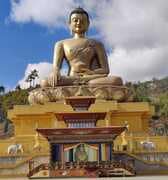
English Literature – Articles ☆ Meditate Like The Buddha #3: Watch Your Breath ☆ Mr. Jagat Singh Bisht ☆

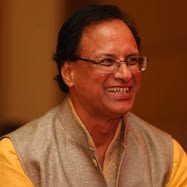
Shri Jagat Singh Bisht

(Master Teacher: Happiness & Well-Being, Laughter Yoga Master Trainer, Author, Blogger, Educator, and Speaker.)

Meditate Like The Buddha #3: Watch Your Breath ☆ Mr. Jagat Singh Bisht ☆

Lesson 2

Watch Your Breath

You are now able to sit in a stable posture. Your legs are folded crosswise, the spine is erect, and the head is held straight. You are comfortable and relaxed, aware of your surroundings, and attuned to your body.

Observing the Breath

Watch your breath.

Be aware of the sensation of the breath around your nostrils as you breathe in and out.

  • Mindfully breathe in. Mindfully breathe out.

If your breath feels subtle and hard to notice, take a few deep breaths. Pay attention to the incoming and outgoing breath at the two doorways of your nostrils. This is the in-breath, and this is the out-breath. Be aware of each breath as it flows in and out.

Focus your attention around the nostrils, like a watchman at the entrance of an apartment, observing each visitor who enters or leaves. Allow no breath to pass unnoticed.

Natural Breathing

Do not attempt to regulate your breath in any way. Simply observe your natural breath as it is. Be an observer, a silent spectator. Watch your breath as you inhale and as you exhale.

  • Breathing in long, recognise: I am breathing in long.
  • Breathing out long, recognise: I am breathing out long.
  • Breathing in short, recognise: I am breathing in short.
  • Breathing out short, recognise: I am breathing out short.

If the in-breath feels cool, acknowledge it as cool. If the out-breath feels warm, acknowledge it as warm. Watch your breath with focused intent.

If the breath is shallow, know: it is shallow. If it is deep, know: it is deep.

  • Mindfully breathe in. Mindfully breathe out.

Addressing Wandering Thoughts

It is natural for the mind to wander as you begin meditating. Do not be discouraged.

If your mind drifts, gently guide your attention back to your breath at the nostrils. If it happens again, return your focus to your breath, always with patience and kindness.

Watching the breath as it moves in and out dispels distractions and nurtures concentration. With consistent practice, your concentration will grow deeper and steadier.

Building the Practice

Begin with sessions of 15 to 20 minutes, gradually increasing the duration as you grow more comfortable. Remember, your task is not to manipulate the breath but to observe it in its natural state.

  • Always mindful, breathe in. Mindfully, breathe out.

When you are ready, gently open your eyes and emerge from meditation.

A Strong Foundation

Focusing on the in-breath and out-breath develops concentration. Dedicate yourself to this practice for a couple of weeks. As you become comfortable, you will be ready to progress to the next step.

Do not rush. The more time you invest in this foundational step, the stronger your base will be for higher stages of meditation.

© Jagat Singh Bisht

(Master Teacher: Happiness & Well-Being, Laughter Yoga Master Trainer, Author, Blogger, Educator, and Speaker.)

Founder:  LifeSkills

A Pathway to Authentic Happiness, Well-Being & A Fulfilling Life! We teach skills to lead a healthy, happy and meaningful life.

The Science of Happiness (Positive Psychology), Meditation, Yoga, Spirituality and Laughter Yoga. We conduct talks, seminars, workshops, retreats and training.

≈ Editor – Shri Hemant Bawankar/Editor (English) – Captain Pravin Raghuvanshi, NM ≈

Please share your Post !

Shares

English Literature – Articles ☆ The First Step to Being Spiritual ☆ Mr. Jagat Singh Bisht ☆

Shri Jagat Singh Bisht

(Master Teacher: Happiness & Well-Being, Laughter Yoga Master Trainer, Author, Blogger, Educator, and Speaker.)

We are grateful to Shri Jagat Singh Bisht Ji for sharing his spiritual and meditation-related literature from time to time with the enlightened readers of e-abhivyakti.com. He mentions that 

Spirituality begins with recognising the difference between what harms and what heals.

Meditation calms the mind, dissolves anger, hatred, and ignorance, and fosters love, compassion, and wisdom.

We are starting his new series on meditation, “Meditate Like The Buddha,” tomorrow.

Today, we present his very interesting article on spirituality, “The First Step to Being Spiritual.” 

The First Step to Being Spiritual ☆ Mr. Jagat Singh Bisht ☆

Have you ever paused amidst the busyness of life and wondered, Is there more to my existence than this? If you have, you are not alone. At some point, life nudges us to explore the deeper meaning of our journey. This nudge is often the first whisper of spirituality. But how does one take that first step?

The Buddha, one of the greatest spiritual teachers the world has known, offers a simple yet profound guide in the Dhammapada. His teachings invite us to begin with clarity and purpose, by understanding and refining our actions, speech, and thoughts.

He said:

“Abstain from all unwholesome deeds,

Perform wholesome ones,

Purify your mind.

This is the teaching of the Enlightened Ones.”

These words hold the essence of a spiritual life—one rooted in mindfulness, kindness, and self-awareness.

What Does This Mean for You?

Unwholesome vs. Wholesome Actions:

Spirituality begins with recognising the difference between what harms and what heals. Unwholesome actions are those that disturb the peace and harmony of others and, in doing so, trouble our own minds. Wholesome actions, on the other hand, uplift, nurture, and bring joy.

The Buddha’s teachings categorise these actions into three spheres: words, body, and mind.


Words That Heal:

Words are powerful—they can build bridges or burn them. Have you ever felt the sting of harsh speech or the warmth of kind words?


To walk the spiritual path, the Buddha encourages us to avoid:

False speech: Speak only the truth. Let your words be reliable and worthy of trust.

Slander: Avoid gossip or words that sow discord. Instead, choose speech that fosters harmony.

Harsh speech: Replace criticism with kindness. Speak with gentleness and love.

Idle chatter: Value meaningful conversation. Speak at the right time, with purpose and thoughtfulness.


Actions That Nurture:

Our deeds, no matter how small, ripple through the lives of others.

Refrain from taking life: Show compassion to all living beings, cherishing life in all its forms.

Avoid taking what is not given: Respect others’ belongings and their hard-earned efforts.

Stay away from misconduct: Let your relationships be guided by respect, loyalty, and integrity.


Thoughts That Elevate:

Your thoughts shape your reality. Negative thoughts create inner turmoil, while positive ones foster peace.

Let go of covetousness: Be content with what you have and rejoice in others’ happiness.

Release ill-will: Replace anger with goodwill and forgiveness.

Embrace the right view: See the world as it truly is, free from distortion and negativity.


The Way Forward:

Taking the first step is about small, intentional changes. When you watch your words, align your actions with kindness, and cultivate a calm mind, you are already walking the spiritual path.

But the journey doesn’t end there. The next step is to “purify your mind.” How? Through meditation and wisdom. By sitting quietly with yourself each day, you begin to observe your thoughts, understand your mind’s tendencies, and gently guide it towards peace.


As the Buddha beautifully summarised:

“Watching his speech,

Well restrained in mind,

Let a man never commit any wrong with his body.

Let a man but keep these three roads of action clear,

And he will achieve the way.”


An Invitation to Begin:

You don’t need a perfect plan to start your spiritual journey. All you need is willingness—the willingness to take one small step today. Speak a kind word, perform a generous act, or sit in quiet reflection for a few moments.

Remember, the path to spiritual awakening is not a leap; it’s a series of small, mindful steps. Each step you take will bring you closer to peace, clarity, and a deeper connection with the world around you.

Let today be the day you take that first step. The journey is yours to embrace, and the destination, as the enlightened ones remind us, is worth every effort.

© Jagat Singh Bisht

(Master Teacher: Happiness & Well-Being, Laughter Yoga Master Trainer, Author, Blogger, Educator, and Speaker.)

Founder:  LifeSkills

A Pathway to Authentic Happiness, Well-Being & A Fulfilling Life! We teach skills to lead a healthy, happy and meaningful life.

The Science of Happiness (Positive Psychology), Meditation, Yoga, Spirituality and Laughter Yoga. We conduct talks, seminars, workshops, retreats and training.

≈ Editor – Shri Hemant Bawankar/Editor (English) – Captain Pravin Raghuvanshi, NM ≈

Please share your Post !

Shares

मराठी साहित्य – वाचताना वेचलेले ☆ “जराशी शाब्दिक गंमत …” – लेखक : अज्ञात ☆ प्रस्तुति – श्रीमती उज्ज्वला केळकर ☆

श्रीमती उज्ज्वला केळकर

? वाचताना वेचलेले ?

☆ “जराशी शाब्दिक गंमत …” – लेखक : अज्ञात ☆ प्रस्तुति – श्रीमती उज्ज्वला केळकर

एक वेलांटी सरकली,

पिताकडून पतीकडे आली. 

*

एक काना सरकला, 

राम ची रमा झाली. 

*

दोन काना जोडले, 

शरद ची शारदा झाली. 

*

एक मात्रा सरकली, 

खेर ची खरे झाली. 

*

एक अक्षर घटले, 

आठवले ची आठले झाली. 

*

एक अक्षर बदलले, अन्

मालू ची शालू झाली.

कर्वे ची बर्वे झाली. 

अत्रे ची छत्रे झाली. 

गानू ची भानू झाली. 

कानडे ची रानडे झाली. 

*

लग्नानंतर नांवच उलटे केले, 

निलिमाची मालिनी झाली. 

*

पदोन्नती झाली, 

प्रधान ची राजे झाली. 

राणे ची रावराणे झाली. 

देसाई ची सरदेसाई झाली. 

अष्टपुत्रे ची दशपुत्रे झाली. 

*

झुरळाला भिणारी ती, 

दैवयोगाने वाघमारे झाली. 

*

लेकराला कुरवाळीत, 

पुढे लेकुरवाळी झाली. 

*

एक पिढी सरकली,  

सुनेची सासू  झाली !!

लेखक : अज्ञात 

संग्राहिका – सौ उज्ज्वला केळकर 

≈संपादक – श्री हेमन्त बावनकर/सम्पादक मंडळ (मराठी) – सौ. उज्ज्वला केळकर/श्री सुहास रघुनाथ पंडित /सौ. मंजुषा मुळे/सौ. गौरी गाडेकर

Please share your Post !

Shares

मराठी साहित्य – इंद्रधनुष्य ☆ छंदोबद्ध पुरण – कवी अभिनव फडके ☆ प्रस्तुती – श्री सुहास रघुनाथ पंडित ☆

श्री सुहास रघुनाथ पंडित

? इंद्रधनुष्य ? 

☆ छंदोबद्ध पुरण – कवी अभिनव फडके ☆ प्रस्तुती – श्री सुहास रघुनाथ पंडित 

(एखाद्याचा “पुरण” या विषयावर किती अभ्यास असावा, त्याला “पुरण” किती आवडत असावं, त्याचा उत्तम नमुना) — 

श्री. अभिनव फडके यांच्या लेखणीतून…

इंद्रवज्रा:

चाहूल येता मनि श्रावणाची

होळी तथा आणखि वा सणाची

पोळीस लाटा पुरणा भरोनी

वाढा समस्ता अति आग्रहानी ||


भुजंगप्रयात:

सवे घेउनी डाळ गूळा समाने

शिजो घालिती दोनही त्या क्रमाने

धरी जातिकोशा वरी घासुनीते

सुगंधा करावे झणी आसमंते ||  

(जातिकोश – जायफळ)


वसंततिलका:

घोटा असे पुरण ते अति आदराने

घ्यावे पिळूनि अवघे मऊ कापडाने

पिळता फुटे गठुळ ते मऊसूत होते

पोळीमधे पसरते सगळीकडे ते ||


मालिनी:

अतिव मधुर ऐसे पुरण घ्यावे कराते

हळू हळू वळू गोळे पारिला सारणाते

कणिक मळूनी घ्यावी सैलशी गोजिरी ती

कडक नच करावी राहुद्या तैलवंती ।।


मंदाक्रांता:

घ्यावी पारी करतळ स्थळी अल्प लावोन पीठी

ठेवा गोळी अतिव कुतुके सारणाची मधे ती

बांधा चंबू दुमडुनि करे सारणा कैद ठेवा

पाटा ठायी पसरूनि पिठा लाटण्या सिद्ध ठेवा ||


पृथ्वी:

करे धरुन चेंडुला अधिक दाब द्यावा बळे

पटा धरुन लाटण्या सुकर होतसे आगळे

समान फिरवा रुळा पसरि चर्पटी सुस्थळे

असे न करता पहा पुरण बाहरी ओघळे ||


शार्दूल विक्रिडित:

हाताने उचला झणि प्रतल ते गुंडाळुनी लाटण्या

उत्कालू हलके तसे उलटता खर्पूस ही भाजण्या

वाफा येत जशा उमाळत सवे सूवासही दर्वळे

नाका गंध मिळे सवेच उदरी क्षूधा त्वरे उत्फळे ||


कवी – श्री अभिनव फडके

संग्राहक – सुहास रघुनाथ पंडित 

सांगली (महाराष्ट्र)

मो – 9421225491

≈संपादक – श्री हेमन्त बावनकर/सम्पादक मंडळ (मराठी) – सौ. उज्ज्वला केळकर/श्री सुहास रघुनाथ पंडित /सौ. मंजुषा मुळे/सौ. गौरी गाडेकर≈

Please share your Post !

Shares

योग-साधना LifeSkills/जीवन कौशल ☆ Happiness Activity: A Short Talk on Happiness (In Hindi) ☆ Shri Jagat Singh Bisht

Shri Jagat Singh Bisht

(Master Teacher: Happiness & Well-Being, Laughter Yoga Master Trainer, Author, Blogger, Educator, and Speaker.)

☆ Happiness Activity: A Short Talk on Happiness (In Hindi) ☆ 

Video Link >>>>

Happiness Activity: A Short Talk on Happiness (In Hindi)

People usually ask: where does happiness lie? Is it inside us or in the outside world? Or, is it somewhere else?

In this video, the speaker attempts to answer this question from the viewpoint of the science of happiness – positive psychology.

50% of our happiness is in our genes – inside us. It is known as the happiness set point.

10% of our happiness depends on the circumstances of life like marital status, age, gender, education, job, country etc.

40% of our happiness depends on our voluntary actions – what we choose to do for ourselves in life.

Happiness lies partly within us and partly in the external world.

Happiness also lies “in between” – in between you and your loved ones, in between you and your work or hobby and in between you and the meaning you have assigned to your life.


LifeSkills

A Pathway to Authentic Happiness, Well-Being & A Fulfilling Life! We teach skills to lead a healthy, happy and meaningful life.

The Science of Happiness (Positive Psychology), Meditation, Yoga, Spirituality and Laughter Yoga. We conduct talks, seminars, workshops, retreats and trainings.

Please feel free to call/WhatsApp us at +917389938255 or email lifeskills.happiness@gmail.com if you wish to attend our program or would like to arrange one at your end.

Jagat Singh Bisht : Founder: LifeSkills

Master Teacher: Happiness & Well-Being; Laughter Yoga Master Trainer
Past: Corporate Trainer with a Fortune 500 company & Laughter Professor at the Laughter Yoga University.
Areas of specialization: Behavioural Science, Positive Psychology, Meditation, Five Tibetans, Yoga Nidra, Spirituality, and Laughter Yoga.

Radhika Bisht ; Founder : LifeSkills  
Yoga Teacher; Laughter Yoga Master Trainer

Please share your Post !

Shares

योग-साधना LifeSkills/जीवन कौशल ☆ Happiness Activity: How to be Healthy, Happy & Wise? ☆ Shri Jagat Singh Bisht

Shri Jagat Singh Bisht

(Master Teacher: Happiness & Well-Being, Laughter Yoga Master Trainer, Author, Blogger, Educator, and Speaker.)

☆ Happiness Activity: How to be Healthy, Happy & Wise? ☆ 

Video Link >>>>

Happiness Activity: How to be Healthy, Happy & Wise?

A holistic approach that will completely transform your entire experience of life!

Happiness, say the positive psychologists, is the experience of joy, contentment, or positive well-being, combined with a sense that life is good, meaningful, and worthwhile.

In this short talk, I will be outlining a pathway to authentic happiness, well-being and a meaningful life.

I shall share with you a holistic approach, developed through years of deep research and rigorous practice, that will completely transform your entire experience of life.


LifeSkills


A Pathway to Authentic Happiness, Well-Being & A Fulfilling Life! We teach skills to lead a healthy, happy and meaningful life.

The Science of Happiness (Positive Psychology), Meditation, Yoga, Spirituality and Laughter Yoga. We conduct talks, seminars, workshops, retreats and trainings.

Please feel free to call/WhatsApp us at +917389938255 or email lifeskills.happiness@gmail.com if you wish to attend our program or would like to arrange one at your end.

Jagat Singh Bisht : Founder: LifeSkills

Master Teacher: Happiness & Well-Being; Laughter Yoga Master Trainer
Past: Corporate Trainer with a Fortune 500 company & Laughter Professor at the Laughter Yoga University.
Areas of specialization: Behavioural Science, Positive Psychology, Meditation, Five Tibetans, Yoga Nidra, Spirituality, and Laughter Yoga.

Radhika Bisht ; Founder : LifeSkills  
Yoga Teacher; Laughter Yoga Master Trainer

Please share your Post !

Shares

योग-साधना LifeSkills/जीवन कौशल ☆ Happiness Activity: Have a beautiful day! ☆ Shri Jagat Singh Bisht

Shri Jagat Singh Bisht

(Master Teacher: Happiness & Well-Being, Laughter Yoga Master Trainer, Author, Blogger, Educator, and Speaker.)

☆ Happiness Activity: Have a beautiful day! ☆ 

Video Link >>>>

Happiness Activity: Have a beautiful day!

Positive Emotion is one of the five elements of happiness and well-being. If we can somehow increase the level of positive emotion, we can be happier.

Dr Martin Seligman, known as the father of positive psychology, describes a simple happiness activity ‘Have a Beautiful Day’ in his book ‘Authentic Happiness’ for increasing positive emotion in the present:

“Set aside a free day this month to indulge in your favourite pleasures.

“Pamper yourself.

“Design, in writing, what you will do from hour to hour.”

Be mindful and savour every moment of the beautiful day.

Do not let the bustle of life interfere and carry out the plan.


LifeSkills

A Pathway to Authentic Happiness, Well-Being & A Fulfilling Life! We teach skills to lead a healthy, happy and meaningful life.

The Science of Happiness (Positive Psychology), Meditation, Yoga, Spirituality and Laughter Yoga. We conduct talks, seminars, workshops, retreats and trainings.

Please feel free to call/WhatsApp us at +917389938255 or email lifeskills.happiness@gmail.com if you wish to attend our program or would like to arrange one at your end.

Jagat Singh Bisht : Founder: LifeSkills

Master Teacher: Happiness & Well-Being; Laughter Yoga Master Trainer
Past: Corporate Trainer with a Fortune 500 company & Laughter Professor at the Laughter Yoga University.
Areas of specialization: Behavioural Science, Positive Psychology, Meditation, Five Tibetans, Yoga Nidra, Spirituality, and Laughter Yoga.

Radhika Bisht ; Founder : LifeSkills  
Yoga Teacher; Laughter Yoga Master Trainer

Please share your Post !

Shares

योग-साधना LifeSkills/जीवन कौशल ☆ Happiness Activity: How  to attain real and lasting happiness? ☆ Shri Jagat Singh Bisht

Shri Jagat Singh Bisht

(Master Teacher: Happiness & Well-Being, Laughter Yoga Master Trainer, Author, Blogger, Educator, and Speaker.)

☆ Happiness Activity: How  to attain real and lasting happiness? ☆ 

Video Link >>>>

Happiness Activity: How  to attain real and lasting happiness?

DISCOVER YOUR SIGNATURE STRENGTHS AND FLOURISH!

According to Dr Martin Seligman, founder of Positive Psychology, authentic happiness comes from identifying and cultivating your most fundamental strengths and using them every day in work, love, play, and parenting.

If you want to be happy, you have to discover your signature strengths and put them into action.

Every major religious and cultural tradition endorses six virtues: Wisdom and knowledge, courage, love and humanity, justice, temperance, and spirituality and transcendence.

There are several distinct routes to each of these six: for example, ‘Love of Learning’ is a route to ‘Wisdom’, ‘Integrity’ is a route to ‘Courage’, ‘Kindness and generosity’ is a route to ‘Humanity’.

To discover your signature strengths, go to the website: www.authentichappiness.org

and take the VIA Strengths Survey test.

Here is a complete list of the six virtues and the twenty-four signature strengths:

6 VIRTUES & 24 SIGNATURE STRENGTHS


  1. WISDOM and KNOWLEDGE
    1. Curiosity/Interest in the World
    2. Love of Learning
    3. Judgement/Critical Thinking/Open-Mindedness
    4. Ingenuity/Originality/Practical Intelligence/Street Smarts
    5. Social Intelligence/Personal Intelligence/Emotional Intelligence
    6. Perspective

2. COURAGE

    1. Valour and Bravery
    2. Perseverance/Industry/Diligence
    3. Integrity/Genuineness/Honesty


3. HUMANITY and LOVE

    1. Kindness and Generosity
    2. Loving and Allowing Oneself to Be Loved

4. JUSTICE

    1. Citizenship/Duty/Teamwork/Loyalty
    2. Fairness and Equity
    3. Leadership


5. TEMPERANCE

    1. Self-Control
    2. Prudence/Discretion/Caution
    3. Humility and Modesty

6. TRANSCENDENCE

    1. Appreciation of Beauty and Excellence
    2. Gratitude
    3. Hope/Optimism/Future-Mindedness
    4. Spirituality/Sense of Purpose/Faith/Religiousness
    5. Forgiveness and Mercy
    6. Playfulness and Humour
    7. Zest/Passion/Enthusiasm

(excerpted from Authentic Happiness by Martin Seligman)

LifeSkills

A Pathway to Authentic Happiness, Well-Being & A Fulfilling Life! We teach skills to lead a healthy, happy and meaningful life.

The Science of Happiness (Positive Psychology), Meditation, Yoga, Spirituality and Laughter Yoga. We conduct talks, seminars, workshops, retreats and trainings.

Please feel free to call/WhatsApp us at +917389938255 or email lifeskills.happiness@gmail.com if you wish to attend our program or would like to arrange one at your end.

Jagat Singh Bisht : Founder: LifeSkills

Master Teacher: Happiness & Well-Being; Laughter Yoga Master Trainer
Past: Corporate Trainer with a Fortune 500 company & Laughter Professor at the Laughter Yoga University.
Areas of specialization: Behavioural Science, Positive Psychology, Meditation, Five Tibetans, Yoga Nidra, Spirituality, and Laughter Yoga.

Radhika Bisht ; Founder : LifeSkills  
Yoga Teacher; Laughter Yoga Master Trainer

Please share your Post !

Shares

योग-साधना LifeSkills/जीवन कौशल ☆ Happiness Activity: Creating your happiness ☆ Shri Jagat Singh Bisht

Shri Jagat Singh Bisht

(Master Teacher: Happiness & Well-Being, Laughter Yoga Master Trainer, Author, Blogger, Educator, and Speaker.)

☆ Happiness Activity: Creating your happiness ☆ 

Video Link >>>>

Happiness Activity: Creating your happiness

THIS EXERCISE WILL HELP YOU INCREASE JOY, HAPPINESS AND LIFE SATISFACTION

What determines happiness?

50% of our happiness is determined by genetically determined set point. 10% depends on our life circumstances. The remaining 40% is under our voluntary control – how we think and what we do.

The real keys to happiness:

Positive emotion, Engagement, Relationships, Meaning and Accomplishment.

Positive emotion:

Positive emotion can be about the past, the present, or the future. The positive emotions about the future include optimism, hope, faith and trust. Those about the present include joy, ecstasy, calm, zest, ebullience, pleasure, and (most importantly) flow; these emotions are what most people usually mean when they casually – but much too narrowly – talk about “happiness”. The positive emotions about the past include satisfaction, contentment, fulfilment, pride, and serenity.

These three senses of emotion are different and are not tightly linked. It is possible to be proud and satisfied about the past, but to be sour in the present and pessimistic about the future. It is desirable to be happy in all the three senses – satisfaction about the past, optimism about the future and happiness in the future. You can move your emotions in a positive direction by learning about the three kinds of happiness (past, present, future).

CREATING YOUR HAPPINESS

HAPPINESS ACTIVITY: THE GRATITUDE VISIT

POSITIVE PSYCHOLOGY EXERCISES THAT WORK

The Gratitude Visit exercise:

Close your eyes. Call up the face of one important person from your past who has made a major positive difference in your life and to whom you have never fully expressed your thanks. Got a face?

Write a testimonial just long enough to cover one laminated page. Take your time composing this.

Invite that person to your home, or travel to that person’s home. It is important that you do this face to face, not just in writing or on the phone. Do not tell the person the purpose of the visit in advance; a simple “I just want to see you” will suffice.

When all settles down, read your testimonial slowly, with expression, and with eye contact. Then let the other person react unhurriedly. Reminisce together about the concrete events that make this person so important to you.

Dr Martin Seligman/ AUTHENTIC HAPPINESS

CULTIVATE AN ATTITUDE OF GRATITUDE TO BE HAPPIER IN LIFE

Gratitude can make your life happier and more satisfying. This exercise helps you increase joy, happiness and life satisfaction.

Sonja Lyubomirsky, author of The How of Happiness, says that the expression of gratitude is a kind of meta strategy for achieving happiness. Grateful thinking promotes the savouring of positive life experiences. Gratitude can help people cope with stress and trauma. It helps build social bonds. The practice of gratitude is incompatible with negative emotions and may actually diminish or deter such feelings as anger, bitterness and greed.

Cultivate an attitude of gratitude to be happier in life!

LifeSkills

A Pathway to Authentic Happiness, Well-Being & A Fulfilling Life! We teach skills to lead a healthy, happy and meaningful life.

The Science of Happiness (Positive Psychology), Meditation, Yoga, Spirituality and Laughter Yoga. We conduct talks, seminars, workshops, retreats and trainings.

Please feel free to call/WhatsApp us at +917389938255 or email lifeskills.happiness@gmail.com if you wish to attend our program or would like to arrange one at your end.

Jagat Singh Bisht : Founder: LifeSkills

Master Teacher: Happiness & Well-Being; Laughter Yoga Master Trainer
Past: Corporate Trainer with a Fortune 500 company & Laughter Professor at the Laughter Yoga University.
Areas of specialization: Behavioural Science, Positive Psychology, Meditation, Five Tibetans, Yoga Nidra, Spirituality, and Laughter Yoga.

Radhika Bisht ; Founder : LifeSkills  
Yoga Teacher; Laughter Yoga Master Trainer

Please share your Post !

Shares

योग-साधना LifeSkills/जीवन कौशल ☆ Happiness Activity: Recipe for happiness  ☆ Shri Jagat Singh Bisht

Shri Jagat Singh Bisht

(Master Teacher: Happiness & Well-Being, Laughter Yoga Master Trainer, Author, Blogger, Educator, and Speaker.)

☆ Happiness Activity: Recipe for happiness ☆ 

Video Link >>>>

Happiness Activity: Recipe for happiness

When asked for his recipe for happiness, Sigmund Freud gave a very short and sensible answer: “Work and love.”

Studies on flow have demonstrated repeatedly that more than anything else, the quality of life depends on two factors: how we experience work, and our relations with other people.

Engagement, or flow, is one of the strongest pillars around which Positive Psychology is built. Here, one is fully in the present, immersed in something worthwhile.

Flow is a state of joy, creativity and total involvement, in which problems seem to disappear and there is an exhilarating feeling of transcendence.

According to Mihaly Csikszentmihalyi, flow is what we feel when we are fully alive, involved with what we do, and in harmony with the environment around us.

It is something that happens most easily when we sing, dance, do sports – but it can happen when we work, read a good book, or have a good conversation.

When asked for his recipe for happiness, Sigmund Freud gave a very short and sensible answer: “Work and love.”

Most people spend the largest part of their lives working and interacting with others, especially with members of their families. Therefore, it is crucial that one can learn to transform job into flow-producing activities, and to think of making relations with parents, spouses, children, and friends more enjoyable.

Studies on flow have demonstrated repeatedly that more than anything else, the quality of life depends on two factors: how we experience work, and our relations with other people.

It is true that if one finds flow in work, and in relations with other people, one is well on the way toward improving the quality of life as a whole.

We each have the potential to experience flow, whether at work, at play or in our relationships.

One thing I can say for sure – flow brings true happiness! The experience becomes its own reward.

– Mihaly Csikszentmihalyi / Flow

LifeSkills

A Pathway to Authentic Happiness, Well-Being & A Fulfilling Life! We teach skills to lead a healthy, happy and meaningful life.

The Science of Happiness (Positive Psychology), Meditation, Yoga, Spirituality and Laughter Yoga. We conduct talks, seminars, workshops, retreats and trainings.

Please feel free to call/WhatsApp us at +917389938255 or email lifeskills.happiness@gmail.com if you wish to attend our program or would like to arrange one at your end.

Jagat Singh Bisht : Founder: LifeSkills

Master Teacher: Happiness & Well-Being; Laughter Yoga Master Trainer
Past: Corporate Trainer with a Fortune 500 company & Laughter Professor at the Laughter Yoga University.
Areas of specialization: Behavioural Science, Positive Psychology, Meditation, Five Tibetans, Yoga Nidra, Spirituality, and Laughter Yoga.

Radhika Bisht ; Founder : LifeSkills  
Yoga Teacher; Laughter Yoga Master Trainer

Please share your Post !

Shares